
How Hackers Are Using AI to Launch Cyber Attacks.
How to use ai in hacking.

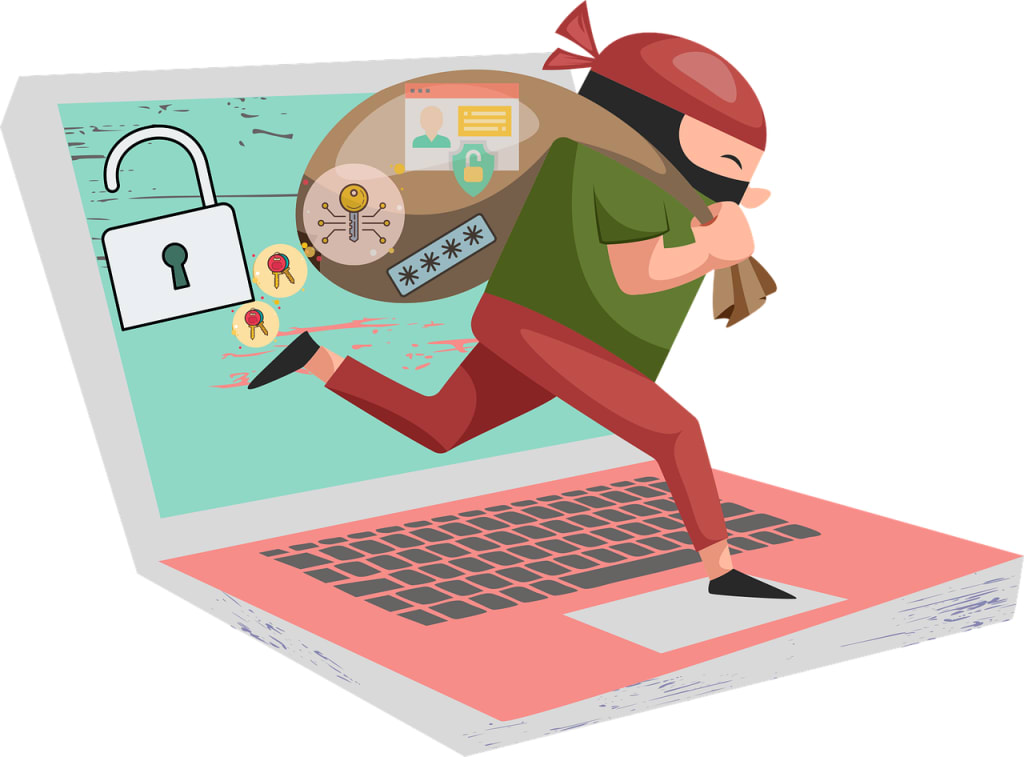
How Hackers Are Using AI to Launch Cyber Attacks.
Technology is changing the world faster than ever. Artificial Intelligence, often called AI, has become one of the most powerful tools of the modern age. It helps doctors diagnose diseases, helps companies analyze data, and even helps students learn faster. However, like many powerful technologies, AI can also be misused.
In recent years, cybersecurity experts have warned that hackers are beginning to use AI to launch more advanced cyber attacks. These attacks are becoming smarter, faster, and harder to detect. For individuals, businesses, and governments, this is becoming a serious global concern.
In this article, we will explore how hackers are using AI, why these attacks are becoming more dangerous, and what people can do to stay safe in a world where technology is constantly evolving.
Why AI Is Attractive to Hackers
Hackers have always looked for new tools to make their attacks more effective. AI gives them several advantages.
First, AI can process large amounts of information very quickly. A hacker using AI can analyze thousands of possible targets in minutes.
Second, AI systems can learn patterns. This means a program can study how people behave online and then use that knowledge to trick them.
Third, AI can automate attacks. Instead of manually trying to break into systems, hackers can create programs that do the work automatically.
Because of these advantages, AI is slowly becoming one of the most powerful weapons in cybercrime.
AI-Powered Phishing Attacks
Phishing is one of the most common types of cyber attacks. It usually involves sending fake emails or messages that look like they come from trusted organizations.
In the past, phishing messages often contained spelling mistakes or strange wording. This made them easier to detect.
However, AI has changed that.
Hackers can now use AI tools to generate highly realistic messages. These messages can imitate the writing style of real companies or even specific people. AI can also translate messages into many languages with perfect grammar.
This makes phishing attacks much harder to recognize.
For example, a person might receive an email that looks exactly like it came from their bank. The message may ask them to verify their account or update their password. If the person clicks the link, the attacker can steal their login information.
Deepfake Technology and Identity Fraud
Another dangerous tool hackers are using is deepfake technology.
Deepfakes are AI-generated images, videos, or voices that look and sound real. With enough data, AI can imitate a person's face or voice with surprising accuracy.
Hackers are now using deepfakes to commit fraud.
For example, there have been cases where criminals created fake voice recordings of company executives. These recordings were used to instruct employees to transfer money to fraudulent accounts.
In some situations, the employees believed the voice was real and followed the instructions without questioning them.
This type of attack shows how powerful AI-based deception can be.
AI for Password Cracking
Passwords are one of the most common ways people protect their accounts. However, hackers are now using AI to break passwords faster than ever before.
Traditional password attacks rely on trying thousands or millions of combinations. AI can make this process smarter.
Instead of guessing randomly, AI systems can analyze patterns in password choices. Many people use predictable passwords such as names, birthdays, or simple words.
AI can study leaked password databases and learn which patterns are most common. This allows hackers to guess passwords much faster than traditional methods.
Automated Vulnerability Scanning
Another way hackers use AI is by scanning computer systems for weaknesses.
Large companies and organizations often use complex software systems. These systems may contain small security flaws called vulnerabilities.
Hackers can use AI-powered tools to scan websites, networks, and applications automatically. The AI can identify weak points that might allow attackers to gain access.
This process used to take days or weeks, but AI can complete it much faster.
The faster hackers find vulnerabilities, the faster they can launch attacks.
AI-Generated Malware
Malware is malicious software designed to damage systems or steal information.
In the past, malware was usually created manually by programmers. Today, AI is making malware more advanced.
AI can help generate malware that changes its behavior automatically. This makes it harder for security software to detect it.
For example, if a security program blocks one version of the malware, the AI system can modify the code to create a new version.
This ability to evolve quickly makes AI-powered malware especially dangerous.
Why These Attacks Are Becoming More Common
There are several reasons why AI-powered cyber attacks are increasing.
One reason is that AI tools are becoming easier to access. Many powerful AI models are available online, and some can be used with very little technical knowledge.
Another reason is financial motivation. Cybercrime has become a profitable industry. Attackers can earn money through ransomware, data theft, and financial fraud.
Finally, the digital world continues to expand. More devices, services, and businesses are connected to the internet than ever before. This creates more potential targets for attackers.
How People Can Protect Themselves
Although these threats are serious, there are steps individuals and organizations can take to stay safe.
Use Strong Passwords
Passwords should be long and difficult to guess. Using a combination of letters, numbers, and symbols can make accounts more secure.
Enable Two-Factor Authentication
Two-factor authentication adds an extra layer of protection. Even if a hacker steals a password, they still need a second verification code.
Be Careful with Emails and Messages
People should avoid clicking suspicious links or downloading unknown attachments. Even if a message appears to come from a trusted source, it is always good to verify it.
Keep Software Updated
Software updates often include security fixes. Installing updates quickly can prevent hackers from exploiting known vulnerabilities.
Stay Informed
Cybersecurity awareness is one of the best defenses. Understanding how attacks work helps people recognize potential threats.
Conclusion
Artificial Intelligence is one of the most powerful technologies ever created. It has the potential to improve healthcare, education, transportation, and many other industries.
However, as this article has shown, hackers are also learning how to use AI for malicious purposes.
From phishing attacks and deepfake scams to automated hacking tools and AI-generated malware, cyber threats are becoming more advanced every year.
The good news is that awareness and education can make a big difference. By understanding how these attacks work and following basic cybersecurity practices, people can reduce their risk and protect their digital lives.
Technology will continue to evolve, and so will cyber threats. The key is to stay informed, stay cautious, and always take security seriously.
If you found this article helpful, consider sharing it with others so they can also learn how hackers are using AI and how to stay safe in the digital world.
About the Creator
DDM ATIQ
ll
Understanding Ceramic Components: Materials, Manufacturing, and Modern Applications
Ceramics have been used by human societies for thousands of years, evolving from simple pottery into highly engineered materials used in advanced industries. Today, the word ceramic refers not only to traditional objects but also to technical materials designed for precision, durability, and performance. Modern discussions around ceramic components reflect this long history of innovation and adaptation.
By charliesamuela day ago in 01


Comments
There are no comments for this story
Be the first to respond and start the conversation.