

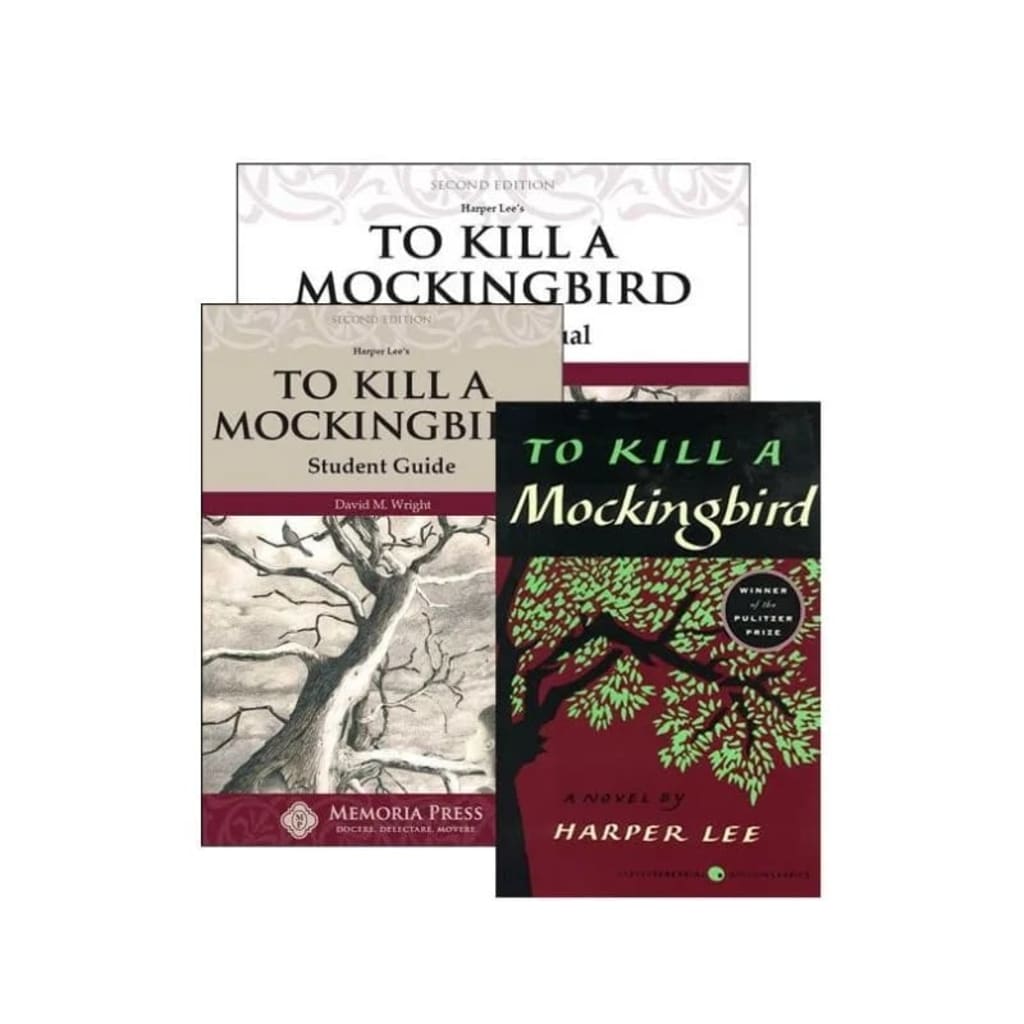
To Kill a Mockingbird is a classic novel by Harper Lee set in the racially segregated American South during the 1930s. Told through the eyes of Scout Finch, the story follows her father, Atticus Finch, a principled lawyer who defends a Black man falsely accused of assaulting a white woman. The novel explores themes of racial injustice, moral courage, empathy, and the loss of innocence. Through childhood experiences and courtroom drama, it shows how prejudice harms communities while emphasizing compassion, integrity, and standing up for what is right even when society disagrees.
Published in 1960, To Kill a Mockingbird by Harper Lee remains one of the most influential novels in modern literature. Set in the fictional town of Maycomb, Alabama, during the Great Depression, the story explores racial injustice, moral courage, and the loss of innocence through the eyes of a young girl. Its emotional depth and social relevance continue to make it a powerful subject for readers and writers alike.
The novel is narrated by Scout Finch, a curious and intelligent child growing up in a deeply divided Southern society. Through Scout’s perspective, readers witness how prejudice and discrimination shape everyday life. Her innocent observations highlight the contradictions between society’s values and its actions, making the novel both accessible and deeply thought-provoking.
At the moral center of the story stands Atticus Finch, Scout’s father and a principled lawyer. Atticus defends a Black man falsely accused of a crime, despite facing harsh criticism and hostility from the community. His character represents integrity, empathy, and quiet bravery. Through Atticus, the novel emphasizes that true courage is not physical strength but the willingness to stand for justice even when defeat seems certain.
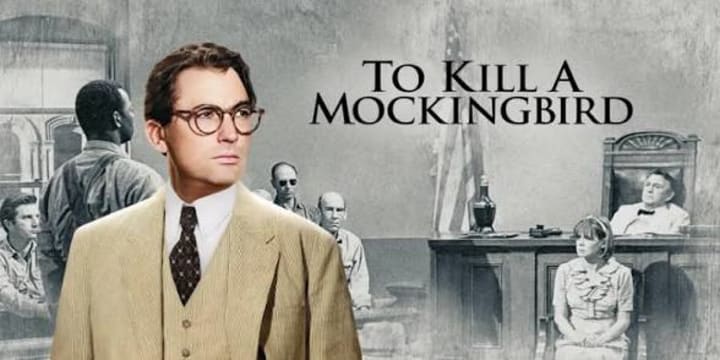
One of the novel’s most significant themes is racial injustice. The courtroom trial becomes a powerful symbol of systemic inequality. Although evidence clearly proves the innocence of the accused man, prejudice overrides truth. This moment reveals how deeply ingrained bias can distort justice. Rather than presenting this issue through anger alone, the novel uses human stories and personal struggles to expose the consequences of discrimination.
Another important theme is moral education. As Scout and her brother grow older, they begin to understand that people are complex and cannot be judged by appearances or rumors. Their journey reflects the transition from childhood innocence to mature awareness. The story suggests that empathy — the ability to see the world from another person’s perspective — is essential for building a just society.
The title itself carries symbolic meaning. A mockingbird represents innocence and harmless goodness. Characters who embody kindness and vulnerability are compared to mockingbirds, suggesting that harming them is morally wrong. This symbolism strengthens the novel’s message about protecting innocence and standing against cruelty.
Beyond its narrative, the novel holds lasting cultural significance. It challenges readers to confront uncomfortable truths about society and human behavior. Its exploration of fairness, compassion, and responsibility remains relevant across generations. The story does not offer simple solutions but instead encourages reflection on personal values and social justice.
From a literary perspective, the novel’s strength lies in its balance of warmth and seriousness. Humor, childhood curiosity, and small-town life create an engaging atmosphere, while deeper ethical questions give the story emotional weight. This combination makes the novel both enjoyable and meaningful, allowing readers to connect personally with its message.
In conclusion, To Kill a Mockingbird is more than a story about a particular place and time; it is a universal exploration of humanity. Through memorable characters, powerful themes, and moral insight, the novel invites readers to examine their own beliefs about justice and empathy. Its enduring relevance and emotional impact make it an excellent subject for critical analysis and reflective writing.
About the Creator
Sk
"I am a passionate writer, crafting books and articles on Vocal Media, exploring human experiences, stories, and creative reflections."
Rachel Reviews: Lunch Tales: Teagan by Lucille Guarino
Well, I did enjoy this! Sometimes, all you need is just great storytelling and this is what Lucille Guarino delivers here. There's no big message to this book; it's just about folks and families, living their lives and coping with everything that's being thrown at them and finding their way. But when it's done well, like it is here, then you have characters to whom you can relate, tension which leaves you rooting for a better outcome, attraction which has your heart racing and an urge, as a reader, to see the characters happy with the people with whom they belong.
By Rachel Deeming24 days ago in BookClub
This One Book Completely Changed My Life — And I Didn’t Expect It at All
I didn’t pick up The Alchemist expecting anything life-changing. In fact, I almost didn’t read it at all. It had been recommended to me several times, always described as “inspirational” or “deep,” which usually made me skeptical. Books like that often promise more than they deliver. But one evening, out of boredom more than curiosity, I opened it—and something shifted.
By Lukáš Hrdlička2 days ago in BookClub
Tatt~Master
— Assembly Line Tatt Machine ~ Impressions to Impress — As I begin to understand more about the Tattoo Phenomenon. I've written silly, yet verbatim, dating site anecdotes in 'Frazzled.' So let me ask you: Would you be More attracted to someone slathered with tattoos, or Less?
By Jay Kantor3 days ago in Humor


Comments
There are no comments for this story
Be the first to respond and start the conversation.