
The Stolen Phone That Exposed a Killer: The Brian Steven Smith Murders
In September 2019, Native Alaskan Valerie Casler stole a phone containing graphic videos of Brian Steven Smith torturing and murdering Kathleen Jo Henry. She reported it, leading to his arrest, confession to killing Veronica Abouchuk, and 226-year sentence.
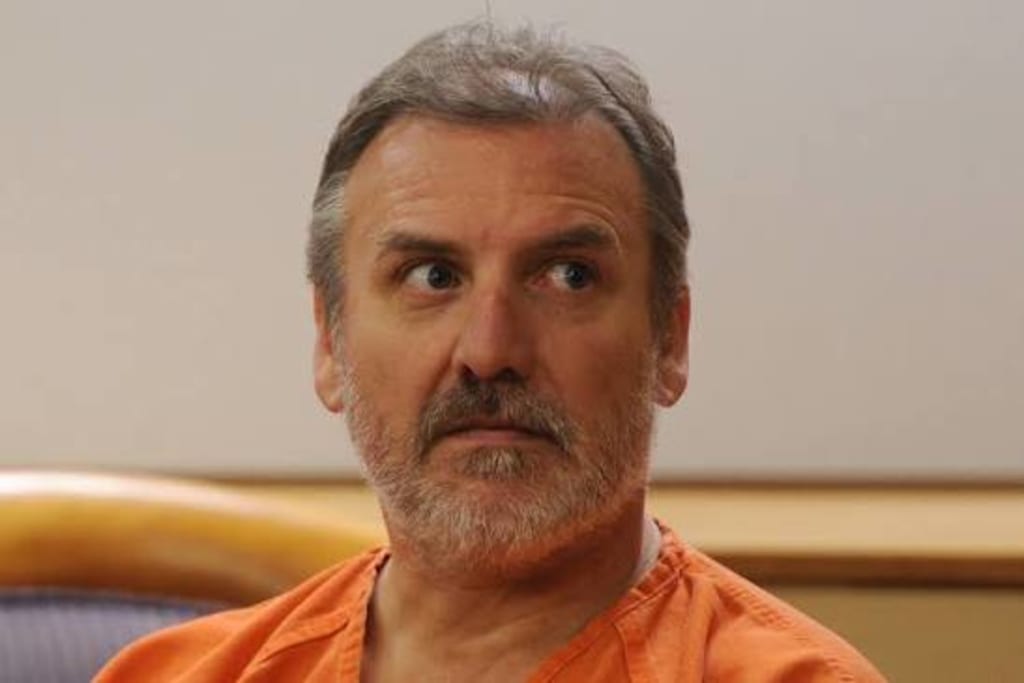
In September 2019 a pivotal act of theft in Anchorage, Alaska, unraveled the horrific crimes of Brian Steven Smith, leading to the exposure of the brutal murders of two Alaska Native women and highlighting broader issues surrounding missing and murdered Indigenous people (MMIP).Valerie Casler a Native Alaskan woman facing her own hardships stole a phone from the truck of a man who had given her a ride. While examining the device she discovered something shocking: dozens of graphic photos and videos depicting a woman being severely tortured and ultimately killed. Horrified by the content, Casler chose to turn the phone over to the police rather than ignore or exploit it. Her decision proved crucial in breaking open a case that might otherwise have remained hidden.
The phone belonged to Brian Steven Smith, a South African-born man who had immigrated to the United States in 2014 after marrying an American citizen. He had only recently become a naturalized U.S. citizen, just a month before his arrest. Investigators quickly identified the victim in the disturbing footage as Kathleen Jo Henry, a 30-year-old Alaska Native woman. The videos captured her prolonged suffering in an Anchorage hotel room, where she was beaten, sexually assaulted, and strangled to death on September 4, 2019. Her body was later recovered on October 2, 2019, along the Seward Highway outside Anchorage.
Two days after receiving the phone, police arrested Smith. During a lengthy interrogation, he made a chilling confession: he had also killed another missing woman, 52-year-old Veronica Abouchuk, another Alaska Native victim who had disappeared earlier. Smith led authorities to her remains, providing closure to her family after years of uncertainty. Abouchuk had been shot, with the killing believed to have occurred sometime between 2017 and 2018.
The evidence against Smith was overwhelming. The graphic videos not only documented Henry's murder in real time but included audio narration from Smith himself, where he reportedly taunted his victim and referred to his actions in terms like "in my movies, everybody dies," underscoring the premeditated and sadistic nature of the crime. He faced multiple charges, including first-degree murder, sexual assault, tampering with evidence, and more.
The case drew widespread attention for its brutality and the role of digital evidence in solving it. Often dubbed the "memory card murders" due to the storage of the incriminating files (though initially tied to the phone), it became a stark example of violence against Indigenous women in Alaska, where rates of missing and murdered Native people remain disproportionately high.
Smith's trial began in early 2024 in Anchorage Superior Court. Prosecutors presented the harrowing videos (with sensitive portions described rather than shown fully to the jury), forensic evidence linking him to both crime scenes, and his own recorded confession. Defense arguments were unable to overcome the weight of the proof. In February 2024, after a relatively short deliberation of just over an hour, the jury convicted him on all 14 counts, including first- and second-degree murder for both women.
In July 2024, Judge Kevin Saxby sentenced Smith to 226 years in prison—effectively two consecutive life sentences without the possibility of parole. The judge emphasized the need to prevent further harm, stating there was "no hope" or "restoration" possible, only protection of the public. Family members of the victims, including those connected to Abouchuk, gave emotional impact statements during the sentencing, expressing grief and a call for justice in a system that too often fails Indigenous victims.
This case has since been featured in national media, including the documentary series Lost Women of Alaska which examines the MMIP crisis through the lens of Smith's crimes and questions about police handling of related reports. It underscores persistent challenges in addressing violence against Native Alaskan women, where vulnerability, systemic oversights, and under-investigation compound tragedy.Valerie Casler's courageous choice to report the phone's contents not only stopped a potential serial offender but brought long-awaited accountability. While Smith denied additional victims in some contexts, authorities have continued exploring whether others may be linked, though no further charges have been confirmed. The murders of Kathleen Jo Henry and Veronica Abouchuk remain a grim reminder of the urgent need for greater protection, awareness, and justice for Indigenous communities in Alaska and beyond.
About the Creator
Keep reading
More stories from Kure Garba and writers in Criminal and other communities.
Javed Iqbal: The Monster Who Murdered 100 Boys in Six Months
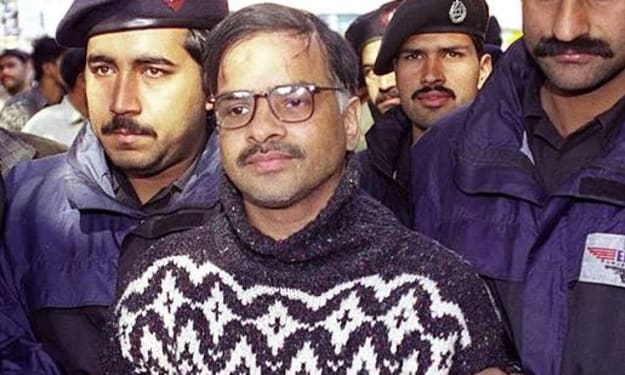
Javed Iqbal Mughal stands as one of the most horrifying and prolific serial killers in modern history earning the grim distinction of being Pakistan's worst serial killer. Born around 1961 in Pakistan Iqbal came from a relatively affluent background. His family provided him with significant privileges early in life by his late teens his father had purchased a villa for him and gifted him a powerful 200cc motorbike. These luxuries would later become tools in his predatory schemes.In the early 1990s Iqbal's dark tendencies first came to light when he was arrested following allegations from one of his victims. He faced accusations of sexually abusing young boys luring them to his residence with promises of food money or shelter. However, the case did not result in lasting consequences—no formal charges stuck, and he was released. This brush with the law left a deep scar on Iqbal. He later claimed that the stress and humiliation his mother endured during his arrest and the surrounding scandal contributed to her suffering a fatal heart attack. Consumed by grief and rage Iqbal vowed revenge—not directly against the authorities, but against society itself. He declared his intention to inflict the same level of anguish on 100 other mothers by taking their sons' lives.
By Kure Garba6 days ago in Criminal
Michigan Synagogue Shooting: Fear, Faith, and Survival
Places of worship are meant to feel safe. People gather there to pray, reflect, and share quiet moments with their community. For many families, a synagogue is more than a building. It is where children learn traditions, where people celebrate holidays, and where comfort is found during difficult times.The michigan synagogue shooting shattered that sense of safety in an instant. What began as an ordinary day quickly turned into confusion and fear. Families inside the building suddenly faced a situation no one expects in a place meant for peace.
By Muqadas khan3 days ago in Criminal


Comments
There are no comments for this story
Be the first to respond and start the conversation.