
Who Is Jessica Johanna? Understanding the Background of El Mencho’s Daughter
Citizenship, family ties, and legal questions surrounding the daughter of a Mexican cartel leader

Introduction
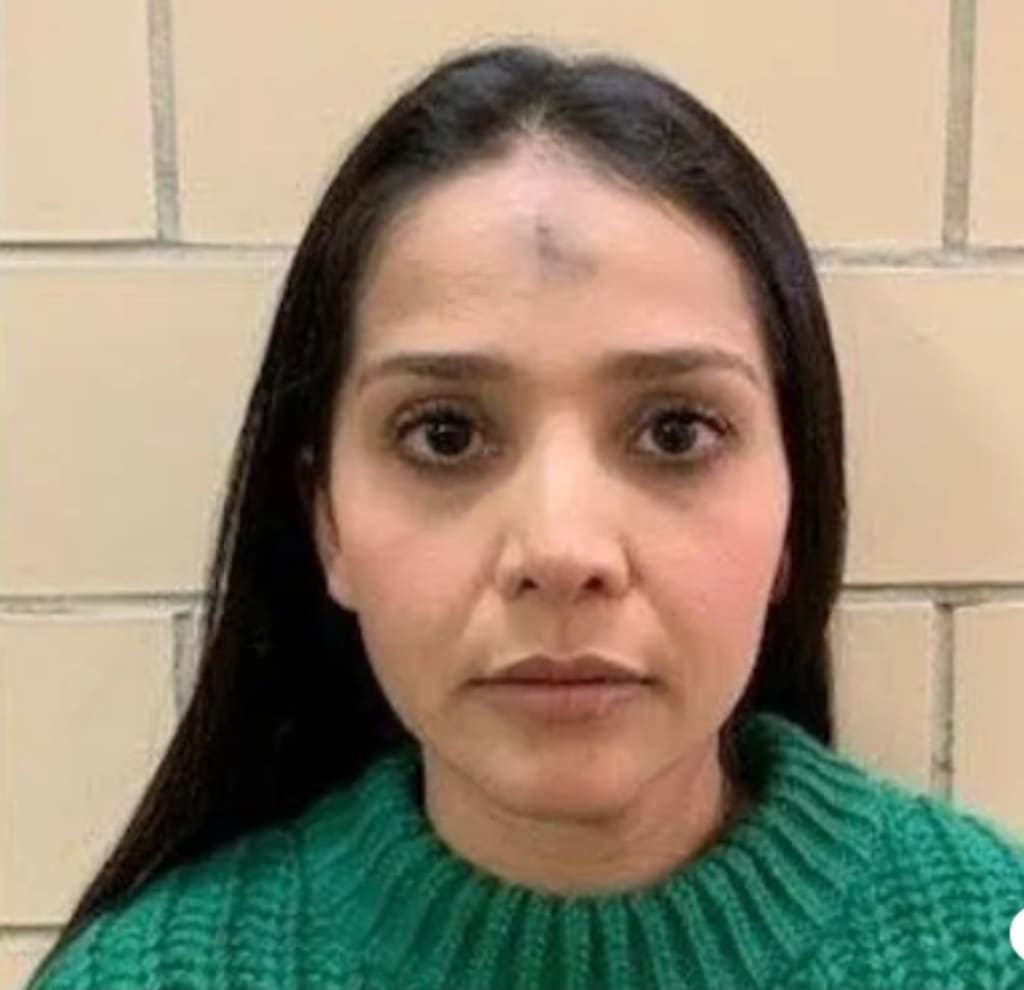
The name Jessica Johanna has drawn attention in media reports because of her reported connection to one of Mexico’s most wanted men. She is identified as the daughter of Nemesio Oseguera Cervantes, widely known as El Mencho, the alleged leader of the Jalisco New Generation Cartel (CJNG).
El Mencho has been the focus of law enforcement efforts in both Mexico and the United States. Because of his role in organized crime investigations, details about his family members have occasionally surfaced in public discussions. Jessica Johanna’s reported U.S. citizenship has added another layer to those conversations.
This article explains what is publicly known about her background, her citizenship status, and why the issue has attracted attention in the United States and Mexico.
Who Is El Mencho?
To understand the public interest in Jessica Johanna, it is important to understand her father’s profile. Nemesio Oseguera Cervantes, also known as El Mencho, is accused by authorities of leading the Jalisco New Generation Cartel. The CJNG is considered one of Mexico’s most powerful criminal organizations.
U.S. agencies, including the Drug Enforcement Administration (DEA), have described the cartel as heavily involved in drug trafficking, including the distribution of methamphetamine and other substances into the United States.
The U.S. government has offered a reward for information leading to El Mencho’s arrest. Mexican authorities have also conducted operations targeting the cartel. Despite these efforts, he has not been captured as of the latest public reports.
Because of the international scope of these investigations, interest has extended beyond the alleged cartel leader to members of his family.
Jessica Johanna’s Citizenship Status
Jessica Johanna has been identified in media reports as a U.S. citizen. U.S. citizenship can be obtained by birth in the United States or through parents who are U.S. citizens. Specific personal details about her birth or residence history are not widely available in public records.
Citizenship status does not imply involvement in criminal activity. In the United States, individuals are not legally responsible for crimes committed by family members unless there is direct evidence of participation.
However, when a close relative of a high-profile criminal figure holds U.S. citizenship, it can raise legal and diplomatic questions, especially if investigations cross borders.
Legal Scrutiny and Allegations
Public reporting has linked Jessica Johanna to past legal cases involving alleged financial transactions. U.S. authorities have previously charged certain family members of cartel leaders with money laundering or assisting criminal enterprises.
It is important to note that legal proceedings depend on evidence presented in court. Being related to a suspected criminal does not automatically result in charges.
Court records in the United States have indicated that some individuals connected to the CJNG have faced prosecution for financial crimes. When family members are accused of participating in such activities, cases are handled through the U.S. judicial system like any other criminal matter.
Jessica Johanna’s name has appeared in public discussions in that broader context.
Cross-Border Law Enforcement Cooperation
Cases involving alleged cartel figures often require coordination between U.S. and Mexican authorities. Agencies such as the DEA work with Mexican law enforcement to address drug trafficking and organized crime.
When U.S. citizens are involved in investigations linked to foreign criminal organizations, jurisdictional questions may arise. U.S. courts have authority over crimes committed on U.S. soil or involving U.S. financial systems.
International cooperation is guided by treaties and formal agreements. Extradition processes can be lengthy and complex, especially when suspects are located outside the United States.
Jessica Johanna’s reported citizenship means that any legal actions involving her would fall under U.S. legal standards and constitutional protections.
Public and Media Attention
Media outlets in both Mexico and the United States have reported on the families of major cartel leaders. Public curiosity often extends beyond the accused individual to relatives and associates.
In some cases, family members seek to distance themselves from alleged criminal activities. In other cases, prosecutors may argue that relatives played a role in managing assets or finances.
It is important to distinguish verified information from speculation. Responsible reporting focuses on confirmed facts from court documents or official statements.
The attention surrounding Jessica Johanna largely stems from her connection to a high-profile fugitive.
Citizenship and Accountability
U.S. citizenship provides legal rights, including due process and legal representation. If a citizen is accused of a crime, the case must be proven in court beyond a reasonable doubt.
At the same time, citizenship does not shield anyone from prosecution if evidence supports criminal charges. Federal authorities have prosecuted U.S. citizens in organized crime and money laundering cases in the past.
The key issue in such situations is evidence. Prosecutors must show direct involvement in illegal conduct. Family relationship alone is not sufficient for conviction.
This legal principle applies regardless of the seriousness of the allegations against a relative.
The Broader Context of Cartel Families
The involvement of family members in organized crime networks is not uncommon in cartel structures. In some organizations, relatives hold leadership or financial roles. In others, family members live separate lives without direct participation.
Law enforcement agencies often investigate financial networks connected to alleged cartel leaders. These networks may involve businesses, real estate, or bank accounts across multiple countries.
When authorities suspect that assets are tied to criminal proceeds, they may pursue charges related to money laundering or conspiracy.
However, each case depends on specific facts and evidence presented in court.
Diplomatic and Policy Implications
High-profile cartel cases can affect diplomatic relations between Mexico and the United States. Both governments have emphasized cooperation in combating drug trafficking and related violence.
When U.S. citizens are linked to international criminal networks, policymakers may face additional pressure to address cross-border crime.
Discussions sometimes include strengthening financial oversight, improving intelligence sharing, and expanding joint operations.
Jessica Johanna’s reported citizenship highlights how global criminal investigations can intersect with domestic legal systems.
The Importance of Accurate Reporting
Stories involving organized crime figures often attract strong reactions. It is essential that reporting remains accurate and avoids assumptions.
Legal outcomes depend on court proceedings, not public opinion. Until a verdict is reached, individuals are presumed innocent under U.S. law.
Media coverage should focus on documented facts, official statements, and verified court records.
This approach helps ensure fairness and clarity in complex cases.
Conclusion
Jessica Johanna has drawn public attention because of her reported status as a U.S. citizen and her family connection to Nemesio Oseguera Cervantes, known as El Mencho. While her father is accused of leading the Jalisco New Generation Cartel, any legal matters involving her would be handled independently under U.S. law.
Citizenship provides legal rights but does not prevent prosecution if evidence supports charges. At the same time, family ties alone do not establish wrongdoing.
As investigations into international drug trafficking continue, cases involving relatives of alleged cartel leaders may remain part of the broader conversation about cross-border crime and accountability.
Understanding the legal framework and verified facts helps provide context without speculation. In high-profile cases, careful reporting and adherence to due process are essential.
About the Creator
Saad
I’m Saad. I’m a passionate writer who loves exploring trending news topics, sharing insights, and keeping readers updated on what’s happening around the world.




Comments
There are no comments for this story
Be the first to respond and start the conversation.