
The Magic of Mulch: Why It's the Gardener's Best Friend
Imagine a product that suppresses weeds, retains moisture, regulates soil temperature, prevents erosion, and feeds your plants—all while making your garden look more polished and professional. Imagine that this product is inexpensive, often free, and completely natural. It exists, and you've probably seen it a hundred times without appreciating its full power.

This guide will unlock the full potential of mulch, turning you from someone who occasionally spreads a bag of bark into a strategic mulching master.
🌱 What Is Mulch, Really?
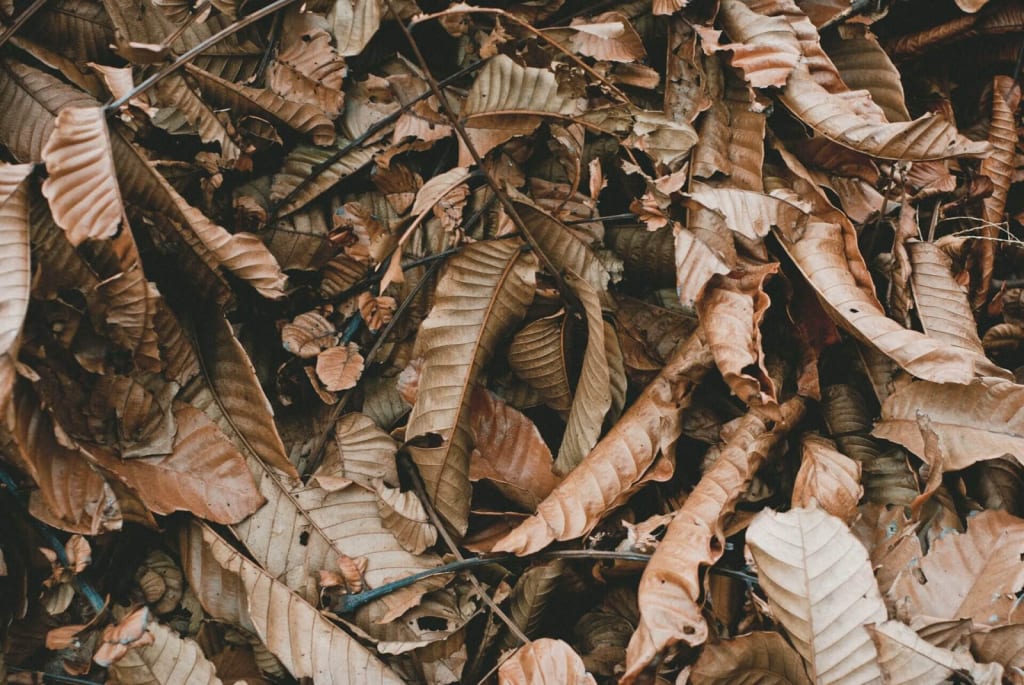
At its simplest, mulch is any material spread over the soil surface to protect and improve the growing conditions for plants. It mimics the natural leaf litter and organic debris that carpets forest floors and prairies—nature's own soil protection system.
Mulch falls into two broad categories:
For most gardeners, organic mulches are the superior choice. They feed the soil as they decompose, supporting the complex web of bacteria, fungi, and earthworms that create healthy growing conditions. Inorganic mulches have their place—gravel for rock gardens, plastic for warming soil—but they do nothing to improve soil biology.
🌟 The Seven Superpowers of Mulch
1. Weed Suppression
Weeds need light to germinate. A thick layer of mulch blocks that light, preventing weed seeds from sprouting. The few that do manage to emerge through the mulch are weak and easily pulled.
The magic: One thorough mulching can eliminate 90% of your weeding work for the entire season.
2. Moisture Retention
Bare soil loses water through evaporation at an astonishing rate. On a hot summer day, unprotected soil can lose half an inch of water weekly. Mulch acts as a protective blanket, slowing evaporation and keeping moisture where roots can reach it.
The magic: Mulched gardens need significantly less frequent watering—often half as much as unmulched beds.
3. Temperature Regulation
Soil temperature swings stress plants. Mulch insulates, keeping soil cooler in summer (protecting roots from heat damage) and warmer in winter (reducing frost heave and protecting tender perennials).
The magic: Mulch creates a stable root environment that reduces plant stress year-round.
4. Soil Structure Improvement
As organic mulch decomposes, it becomes compost—in place. Earthworms rise to feed on the decomposing material, pulling it down into the soil. Their tunnels aerate the soil, and their castings enrich it.
The magic: Over time, mulch transforms poor soil into rich, crumbly loam without any digging.
5. Erosion Prevention
Heavy rain pounds bare soil, washing away topsoil and nutrients. Mulch absorbs the impact of raindrops and slows water runoff, keeping your soil where it belongs.
The magic: A mulched slope can withstand storms that would erode bare soil into gullies.
6. Disease Reduction
Many fungal diseases spread when soil splashes onto leaves during rain or watering. Mulch acts as a barrier, preventing soil-borne pathogens from reaching your plants.
The magic: Mulched tomatoes and squash have significantly lower rates of soil-borne diseases.
7. Aesthetic Polish
A freshly mulched bed looks intentional and cared for. The uniform surface creates visual calm, making plants stand out against a consistent background.
The magic: Mulch makes good gardens look great and great gardens look spectacular.
🌿 Mulch by Garden Type
Vegetable Gardens
Vegetable beds benefit from mulches that break down quickly and add nutrients:
- Straw is the classic vegetable garden mulch—clean, weed-free, and easy to pull aside for planting.
- Grass clippings (thin layers) provide nitrogen as they decompose.
- Leaves (shredded) improve soil structure over time.
- Compost as a thin mulch feeds plants while suppressing weeds.
Apply mulch to vegetable beds after the soil has warmed in spring (mid-to-late May in most climates). Mulching too early keeps soil cold and slows plant growth.
Ornamental Perennial Beds
Perennials benefit from consistent moisture and weed-free conditions:
- Wood chips or shredded bark provide long-lasting coverage and professional appearance.
- Shredded leaves are excellent for naturalistic plantings.
- Apply in late spring after perennials have emerged, or in fall to protect roots over winter.
Trees and Shrubs
Trees and shrubs thrive with a wide ring of mulch:
- Apply a 3-4 inch layer of wood chips or shredded bark.
- Extend the mulch ring to the drip line (the outermost reach of branches) if possible.
- Keep mulch away from the trunk—no volcanoes!
Pathways
Mulched pathways prevent mud and define garden rooms:
- Wood chips are comfortable underfoot and inexpensive.
- Bark nuggets last longer than shredded bark.
- Replenish annually as material compacts and decomposes.
Containers
Potted plants benefit from a thin mulch layer:
- Small gravel or pebbles prevent soil splash and look attractive.
- Shredded bark or cocoa hulls in thin layers help retain moisture.
- Apply 1 inch only—containers need less mulch than garden beds.
🍂 Seasonal Mulching Strategies
Spring
- Wait for soil to warm before mulching vegetable and annual beds.
- Refresh ornamental beds with a 1-2 inch top-up.
- Apply fresh mulch to new plantings.
Summer
- Monitor moisture under mulch—it should remain moist but not waterlogged.
- Pull aside mulch to water deeply if needed, then replace.
- Add thin layers if original application was insufficient.
Autumn
- Apply fresh mulch to perennial beds after the ground freezes (not before—this prevents frost heave without encouraging rodents).
- Shred fallen leaves with a mower and use them to mulch beds for winter protection.
- Protect tender perennials with an extra layer of straw or leaves.
Winter
- Leave mulch in place. It insulates roots and protects soil life.
- In very cold regions, additional straw or evergreen boughs can provide extra protection for marginal plants.
- Avoid walking on frozen mulched beds to prevent soil compaction.
🌱 The Living Soil Beneath
When you spread mulch, you are not just covering dirt. You are creating habitat. The layer of organic material becomes home to soil life—bacteria, fungi, protozoa, nematodes, springtails, mites, and earthworms. These organisms feed on the mulch and each other, creating a food web that cycles nutrients, builds soil structure, and suppresses diseases.
Each handful of soil beneath good mulch contains more living organisms than there are people on Earth. You are not just gardening; you are stewarding an entire ecosystem.
This living soil, in turn, feeds your plants. The nutrients plants need are released slowly, naturally, in forms they can use. Roots penetrate deeply through earthworm channels. Water infiltrates rather than running off. The garden becomes resilient—better able to withstand drought, heavy rain, and temperature extremes.
This is the real magic of mulch. It doesn't just make your job easier this season. It builds the foundation for healthier gardens for years to come.
About the Creator
Emma Wallace
Director of Research and Development at AI Plant Finder (Author)
Emma Wallace is an esteemed researcher and developer with a background in botany and data analytics.
Keep reading
More stories from Emma Wallace and writers in Earth and other communities.
What Is Hardiness? Understanding Your Zone and Plant Survival
Hardiness is a plant's ability to survive adverse conditions, most critically cold temperatures. It is quantified through hardiness zones, a system that maps average minimum winter temperatures across regions. Learning to read and apply this system transforms you from a hopeful gambler into an informed gardener who selects plants destined to survive and thrive.
By Emma Wallace6 days ago in Earth
Niagara Falls: A Living Story of Power, History, and Human Wonder
Niagara Falls is one of those rare places where nature doesn’t just impress you—it overwhelms you. It’s a place where the earth’s ancient past meets the dreams of millions who stand at its edge, feeling the mist on their skin and the thunder in their bones. Stretching across the border of Ontario, Canada, and New York State in the United States, Niagara Falls has become one of the most visited natural wonders in North America, drawing more than 14 million people every year.
By Haroon Pasha3 days ago in Earth
This Is What I Do When People Throw Rocks At Me
Rocks have been thrown at me for a greater part of my life. Some have been small and missed hitting me. When people don't get a reaction from me, they throw bigger rocks with a better aim. Many have been hurled at me with precision over the years. For a long time, I thought my only options were to dodge them or be crushed by them.
By Margaret Minnicks5 days ago in Confessions



Comments
There are no comments for this story
Be the first to respond and start the conversation.