
The Problem with Invasive Plants: Identification and Responsible Removal
You admired the vibrant purple loosestrife at a friend's garden and planted it in your own. Years later, it has spread everywhere—crowding out your other perennials, escaping into the drainage ditch, and marching toward the nearby wetland. What seemed like a lovely addition has become a nightmare.

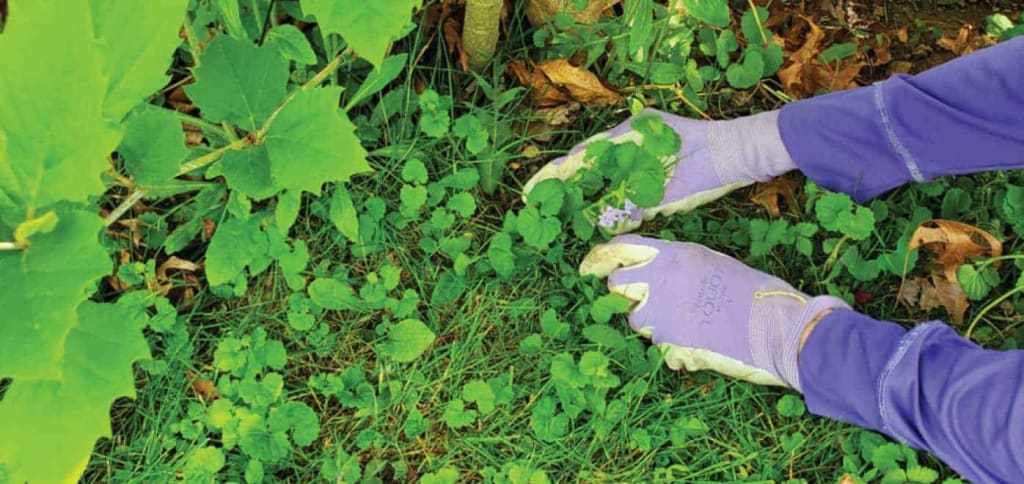
This scenario plays out in gardens across the continent. Many invasive plants started as intentional garden introductions, valued for their beauty, vigor, and ease of growth. Those same qualities—rapid spread, adaptability, and resilience—make them ecological threats when they escape cultivation.
Understanding invasive plants, learning to identify them, and knowing how to remove them responsibly is essential for any gardener who cares about the broader environment.
🌍 What Makes a Plant Invasive?
Not all non-native plants are invasive. Most garden plants behave themselves, staying where they're planted and coexisting peacefully with native species. Invasive plants are different.
An invasive plant is a non-native species that causes harm to the environment, economy, or human health. Key characteristics include:
- Rapid growth and spread: They outcompete native plants for light, water, and nutrients.
- Lack of natural controls: In their new environment, no native pests, diseases, or herbivores keep them in check.
- High reproductive output: They produce abundant seeds, spread through aggressive roots, or both.
- Displacement of natives: They form monocultures, reducing biodiversity and degrading wildlife habitat.
- Alteration of ecosystems: Some change soil chemistry, increase erosion, or alter fire regimes.
The distinction between "aggressive garden plant" and "invasive species" often comes down to whether it escapes cultivation and causes ecological harm. A plant that spreads enthusiastically in your garden but stays put may be merely vigorous. One that jumps the fence and invades natural areas is truly invasive.
🔍 How to Identify Invasive Plants in Your Garden
Early identification is critical. The sooner you spot an invasive plant, the easier it is to control.
Look for These Clues
- Rapid spread: Does this plant appear in new places each year without your help?
- Monoculture formation: Is it crowding out other plants and taking over large areas?
- Seedling explosions: Do you find dozens or hundreds of seedlings each spring?
- Underground runners: Does it send up new shoots far from the original plant?
- Bird-planted volunteers: Are seedlings appearing under fences, along property lines, or in wild areas?
Use Technology for Confirmation
When you encounter an unfamiliar plant that's spreading aggressively, don't guess. A reliable plant identification app can provide instant identification and tell you whether it's a known invasive in your region. This is especially important for plants you didn't intentionally plant—volunteers from bird droppings or wind-borne seeds that may be early invaders.
Know Your Local Invasives
Invasive plants vary by region. A plant that's problematic in the Southeast may be harmless in the Northwest. Consult your state's invasive species council, cooperative extension service, or native plant society for region-specific lists.
🛠️ Responsible Removal: A Step-by-Step Approach
Before You Start
- Confirm identification. Make absolutely sure you're removing an invasive, not a native look-alike.
- Research the best method. Some invasives require specific techniques. Japanese knotweed, for example, can regenerate from a thumbnail-sized root fragment—digging improperly makes it worse.
- Wear protective gear. Gloves, long sleeves, and eye protection. Some invasives (like wild parsnip) cause severe skin reactions.
- Plan for disposal. Many invasives cannot be composted. Seeds may survive home composting, and some plants root from cuttings in the pile. Bag and trash, or follow local guidelines.
Mechanical Removal Methods
- Hand pulling: Effective for annuals and biennials (garlic mustard) if done before seed set. Water soil first to ease removal.
- Digging: Required for plants with taproots or rhizomes. Remove every bit of root—fragments regrow.
- Cutting: Repeated cutting depletes energy reserves for some species. Must be persistent—sometimes for years.
- Smothering: Heavy mulch or landscape fabric can suppress some invasives, but aggressive ones may punch through.
Chemical Control (When Necessary)
Some entrenched invasives require herbicides. If you choose this route:
- Use the minimum effective concentration.
- Apply at the recommended time (often late summer/early fall when plants move energy to roots).
- Never spray on windy days to avoid drift.
- Follow all label instructions exactly.
- Consider hiring licensed professionals for large infestations or sensitive areas.
After Removal
- Replant immediately with native species or non-invasive garden plants. Bare soil invites reinvasion.
- Monitor regularly for regrowth and new seedlings. Persistence is essential.
- Dispose of removed plants in sealed bags in the trash—never in compost piles or natural areas.
🌎 Why It Matters
Invasive plants are not just a garden problem. They are one of the greatest threats to biodiversity worldwide. They degrade wildlife habitat, alter ecosystem processes, and cost billions annually in control efforts and lost productivity.
When you remove invasives from your property and choose native alternatives, you:
- Create habitat for local butterflies, birds, and beneficial insects
- Protect water quality by preserving native plant buffers
- Prevent spread to natural areas where control is difficult or impossible
- Model responsible stewardship for neighbors and community
🌱 Starting Where You Are
You don't need to tackle every invasive at once. Start with the worst offenders on your property. Focus on plants that are actively spreading or producing seed. Work systematically, section by section.
Celebrate small victories. Each garlic mustard plant you pull is thousands of seeds that won't spread. Each patch of English Ivy cleared creates space for native wildflowers. Over time, your efforts compound, and the invasive load diminishes.
And when you're unsure—about identification, about removal methods, about what to plant instead—seek help. Local experts, extension services, and digital tools are all available. A simple photo uploaded to a plant identification app can confirm whether that aggressive vine is a native treasure or an ecological threat.
The problem of invasive plants is large, but solutions start small: in our own gardens, with our own choices, one plant at a time.
About the Creator
Emma Wallace
Director of Research and Development at AI Plant Finder (Author)
Emma Wallace is an esteemed researcher and developer with a background in botany and data analytics.
Keep reading
More stories from Emma Wallace and writers in Earth and other communities.
Planning a Vegetable Garden Layout: Sun, Space, and Succession
You've decided to grow your own food. You've cleared a space, bought seeds, and imagined baskets overflowing with tomatoes and zucchini. Then reality intervenes. The tomatoes shade the basil. The zucchini engulfs the carrots. By midsummer, you have more lettuce than you can eat, followed by a gap of nothing until frost.
By Emma Wallace5 days ago in Earth
Tomorrow's World, Today's Choices: Technology and the Human Future
There is a peculiar blindness that afflicts every generation standing at the threshold of transformative change. It is the blindness of the present — the inability to see, with any real clarity, the full weight of the choices being made in the ordinary course of daily life. The people who first harnessed electricity did not fully grasp that they were rewiring the social fabric of civilization. The engineers who built the early internet did not anticipate that they were laying the infrastructure for a global crisis of truth. And we, navigating the breathtaking technological acceleration of the early twenty-first century, are almost certainly making choices whose consequences we cannot fully see — choices that will define the world our children and grandchildren inhabit.
By noor ul amin4 days ago in Earth



Comments
There are no comments for this story
Be the first to respond and start the conversation.