
Social Anxiety: Not Just Shy
Expand your knowledge of a mental disorder that is often hidden in plain sight, thanks to the denial of others.

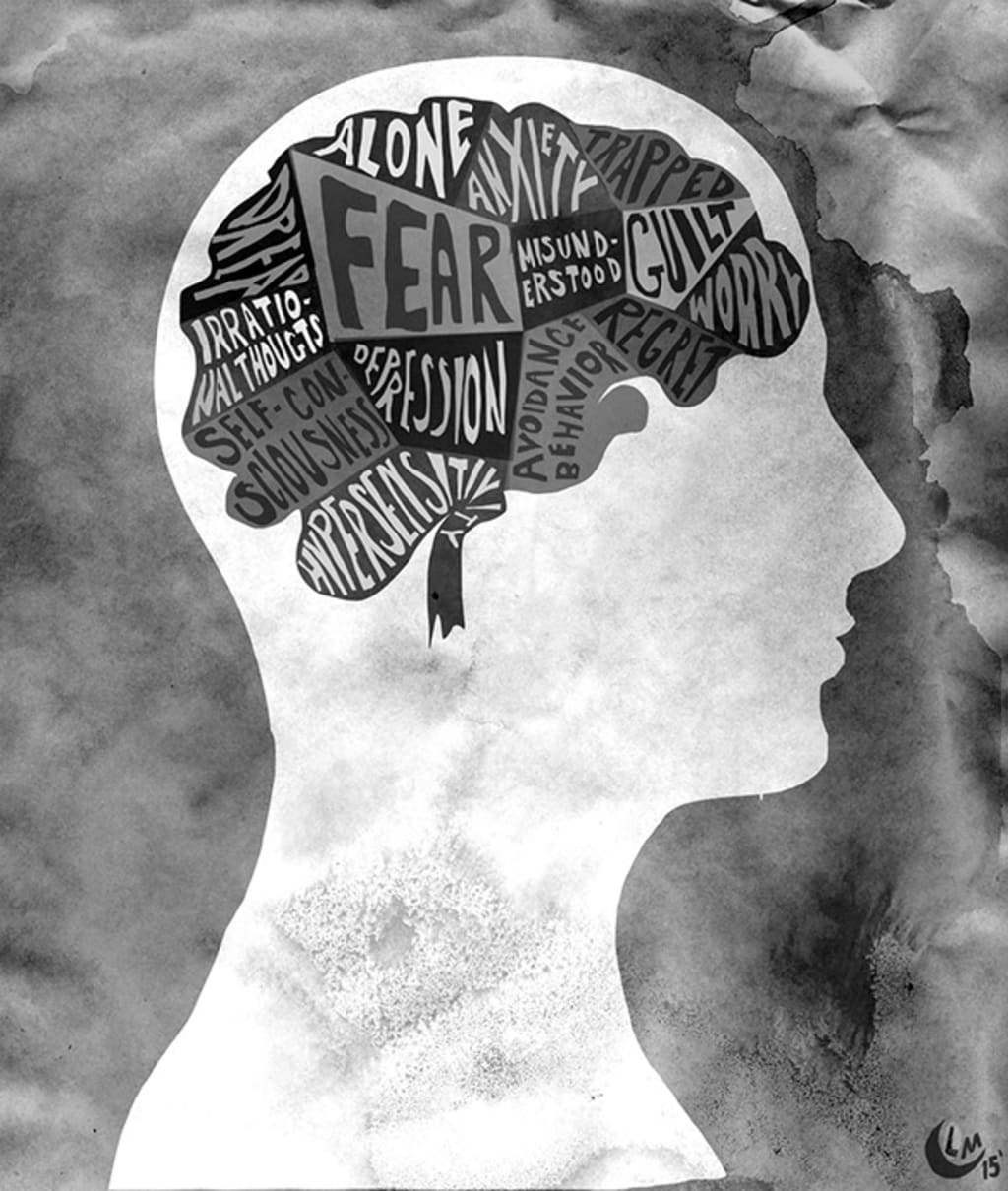
Social Anxiety: Not Just Shy
Take a second and think. Think of all of the tear-filled, petrified kids forced to stand up in front of the class and present, even upon their assurance that they would rather have -and do just as well on- a written assignment. Think of all of the quiet kids you’ve ever seen and put yourself in their shoes. Think from their point of view. Are they just nervous, or is there a deeper, underlying cause to the insomnia and flat-out terror it causes some students to practice public speaking and group work? Most adults, especially throughout the past, have assumed students are just shy or nervous, and continuously force them to participate and present in class. However, social anxiety is a real thing, and a disturbingly high percentage of teachers, adults, and other age groupings and demographics worldwide don’t realise this.
For some people, it’s like having a blinding spotlight on you at all times, leaving you and what you feel to be all of your mistakes completely and utterly exposed. For others, it’s like having a narrator or sports commentator comment on your actions, but only the negatives and mistakes. This is similar to the feeling of having a giant magnifying glass on you at all times. Imagine having hundreds of tabs on a computer open at once, with constant questions of what you are doing wrong, how others are judging you, and more overthinking spirals. Then your brain starts to “lag” because of this, and you lose your place in the conversation, quickly being pushed out by the constant moving of the world today. If you can’t keep up with it, you’re left behind.
Social anxiety can be caused by a number of different factors, such as genetics, a neurological issue involving “problems in a neural circuit that runs between a part of the cerebral cortex called the orbitofrontal cortex (OFC) and the BLA… an area deep in the brain involved in processing emotions” (Lee, Casey, Liston, 2019). Genetics can play a role in experiencing social anxiety, but there is not a definite rhyme or reason to it; some family members will have it while others will not. Other than biological causes, the risk of obtaining this disorder is increased by certain environmental factors and specific life events, mainly negative. This can include many different things and can occur at any point in your life, but it is more common in women and teenagers 18-29 years of age, a continuous rise as the teenage years are hit, the jump starting at 13-14 years old. At a younger age, this can involve different traumas, like abuse and neglect, bullying, and even overprotective/controlling parents. Furthermore, social pressures that teens are more exposed to as they get more social media apps and services can also add on to the risk factor. Breakups, divorces, and other major life transitions can lead to social anxiety as well.
It is tricky to diagnose someone with a mental disorder such as this, especially because there is such a fine line between social anxiety and common shyness or nerves. Health care professionals usually evaluate someone for this condition by asking them a series of questions, such as when your symptoms began, how long they’ve lasted, how often they occur, how they interfere with daily life, etc. Symptoms of social anxiety will have to last at least 6 months before someone is officially diagnosed with it. Many different factors make it complicated to diagnose this disorder, including symptoms overlapping with other conditions, and a natural shyness common to most people. The common shyness is distinguished from social anxiety in multiple ways. Physical symptoms include blushing, sweating, trembling, a rapid heart rate, and/or feeling sick to the stomach. Symptoms can also appear emotionally or behavioural, such as the mind going blank, finding it difficult to make eye contact or talk to other people you don’t know. Still, these symptoms are almost identical to the common shyness and overlap with other mental disorders and disabilities. A few ways that a psych doctor can distinguish social anxiety from regular shyness is by asking questions such as the following: Do the symptoms last for more than 6 months consecutively? Does it interfere or have a strong effect on your daily life? Does it cause severe symptoms, like heart racing, severe insomnia before a presentation or other social event? Also, it can cause individuals to actively avoid social situations, and interferes greatly with everyday life.
You can treat social anxiety in a multitude of different ways, both physically and mentally. Psychotherapy, for example, is a form of talk therapy that has a few different branches, including Cognitive Behavioural Therapy (CPT), Exposure Therapy (being exposed to different situations that may trigger social anxiety and working through it then), and Acceptance and Commitment Therapy (ACT). You can also take medicine, like anti-depressants.
There’s certain stigmas that can cause people to avoid getting diagnosed or treated, which also has to do with how difficult it is to diagnose properly. This is also thanks to the failure to address throughout the past, usually just being dismissed as shyness. However, it’s important to remember that many people deal with social anxiety, even ones you may not expect. Jennifer Lawerence, for example, has dealt with social anxiety and hyperactivity at a young age, which later turned into post-partum depression and anxiety with the arrival of her two kids. She deals with insecurities, as most celebrities do thanks to millions of people constantly watching and judging them. However, she doesn’t often show this and instead portrays a goofy, clumsy, self-deprecating humorous woman, which is partially true. She amplifies this to help deal with her anxiety. On the whole, it may be difficult to get past the stigmas that mental health retains even through the accumulating research that is continuously growing in popularity and becoming more familiar, and common, knowledge.
All in all, social anxiety is more than just the common shyness, and it is time for everyone to know and understand this. There are a multitude of symptoms and signs that can affect someone, but there are also many different treatments out there designed to help everyone. Some things that will work for some people may not work for others, so it’s important to find what works for the individual. The stigma around anxiety, and mental health in general, needs to be withdrawn so these individuals can get the help they need and deserve. Even though it may not be as obvious as a broken bone, mental health disorders still have significant effects on people and make it hard to function properly. So, the next time you go to judge someone, assuming they’re just shy and a “scaredy-cat,” take a second and think of what else could be bothering them. Maybe even ask them if they’re okay. That quiet kid that was teased and taunted and yet never spoke up could be the same one terrified to speak in front of their peers today. One of America’s biggest issues today is a lack of empathy; not being able to put yourself in someone else’s shoes. This isn’t a past-generation or next-generation issue. It’s happening right here, right now, so that’s when we need to do something about it. So I challenge you to take a second and think. Just think from a different angle and try to be a little kinder.
I definitely don't cover everything aboout this topic, so I encourage you to learn more about this topic by going through the links in the reference page below. Feel free to comment below with your thoughts and (respectfully voiced please) opinions!
If you or someone you know is struggling with any of these symptoms, go to one of these links:
Social Anxiety Help Near You - Help For Anxiety & Depression
Rizeoc Anxiety Treatment Center
References
Lee, F. S., Casey, B., & Liston, C. (2019, May 23). Social Anxiety Susceptibility Is Traced to a Specific Brain Circuit and Genetic Variation. Brain & Behavior Research Foundation. Retrieved February 23, 2026, from https://bbrfoundation.org/content/social-anxiety-susceptibility-traced-specific-brain-circuit-and-genetic-variation#main-content
Pocha, S. K. (2015, September 10). "Inside I'm terrified" Jennifer Lawrence on coping with anxiety and self-doubt. Stylist. Retrieved February 23, 2026, from https://www.stylist.co.uk/people/i-get-really-insecure-about-it-jennifer-lawrence-on-how-she-copes-with-anxiety-self-doubt-hollywood-star/25169
Social Anxiety Disorder - National Institute of Mental Health (NIMH). (n.d.). Nimh.nih.gov. Retrieved February 23, 2026, from https://www.nimh.nih.gov/health/statistics/social-anxiety-disorder
Social Anxiety Disorder: What You Need to Know. (n.d.). Nimh.nih.gov. Retrieved February 23, 2026, from https://www.nimh.nih.gov/health/publications/social-anxiety-disorder-more-than-just-shyness
About the Creator
Mia
Hi! My name is Mia, and I love writing and reading with a passion. I've written for numerous school contests and Power of the Pen competitions, even winning my area's regionals! I hope you guys like my work! (Please subscribe if you do!)
Using 3D Laser Scanning for Accurate Facility Upgrade and Renovation Planning
Facility upgrades and renovation projects require precise knowledge of existing building conditions. Many older facilities lack reliable documentation, and outdated drawings can lead to design conflicts, costly change orders, and construction delays.
By Matt Sharon3 days ago in Education
Building Stronger Teams Through Diversity
Diversity in the workplace is more than a trend. It is a key part of building strong and creative teams. Companies today serve people from many cultures, backgrounds, and life experiences. Because of this, businesses need teams that reflect the world around them.
By Aaron Khieu6 days ago in Education
Pandora’s Burden
“My brother warned me to not accept gifts from the one who commissioned you,” said Epimetheus to the woman clad in silvery raiments standing at the entrance to the temple. Her silver tiara and the silver rings on her fingers and toes glinted in the firelight cast by torches set on either side of the doorway. Lingering in the shadows, beyond the reach of the flames as she was, he could not tell what she held in her hands. At first what appeared to be a box was perhaps a funerary urn, or maybe merely an apple.
By J. Otis Haasa day ago in Fiction




Comments
There are no comments for this story
Be the first to respond and start the conversation.