
Why Matar Paneer Is India’s Ultimate Vegetarian Curry
The Comfort of Home in a Bowl

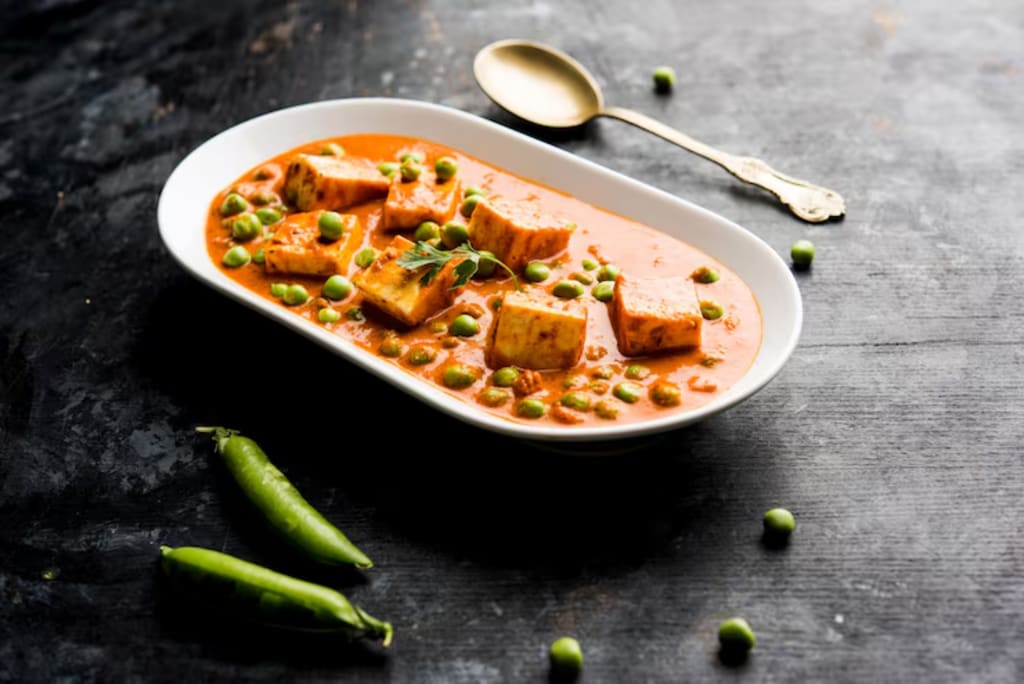
There are some dishes that do more than just satisfy hunger — they create memories. For many Indian families, Matar Paneer is one such dish. It is warm, comforting, and deeply rooted in North Indian cuisine. Whether served during a Sunday family lunch or at a festive gathering, this simple yet rich curry has a way of bringing people together.
Soft cubes of paneer simmered in a mildly spiced tomato gravy, paired with sweet green peas — it sounds simple. Yet, when cooked properly, it tastes absolutely luxurious.
In this article, we’ll explore what makes Matar Paneer so special, how you can prepare it at home, and why it continues to remain one of the most beloved vegetarian curries in Indian kitchens.
What Makes Matar Paneer So Special?
Indian cuisine is known for its diversity. From spicy curries to mild gravies, each region offers something unique. But Matar Paneer holds a universal appeal.
The magic lies in balance:
The softness of paneer
The natural sweetness of green peas
The tanginess of tomatoes
The warmth of traditional Indian spices
Unlike heavy cream-based curries, Matar Paneer feels comforting rather than overwhelming. It is rich without being too spicy and flavorful without being complicated.
For vegetarians especially, paneer provides a satisfying protein boost, making the dish both nourishing and filling.
A Brief Look at Its Punjabi Roots
Matar Paneer originated in North India, particularly in Punjabi households where dairy products are widely used. Paneer, often homemade, is a staple ingredient in many Punjabi recipes.
Over time, this dish gained popularity across India and even internationally. Today, you can find it on restaurant menus worldwide. However, nothing compares to the taste of homemade Matar Paneer prepared with fresh ingredients and patience.
Ingredients That Bring It All Together
The beauty of this dish is that it doesn’t require exotic ingredients. Everything used is easily available in most kitchens.
Here’s what you typically need:
Paneer (Indian cottage cheese)
Green peas (fresh or frozen)
Onions
Tomatoes
Ginger and garlic
Turmeric powder
Red chili powder
Coriander powder
Garam masala
Cumin seeds
Oil or ghee
Salt
Some people like adding fresh cream at the end for extra richness, while others prefer keeping it light and simple.
How to Prepare Matar Paneer at Home
Cooking Matar Paneer is not difficult. With the right steps, you can achieve restaurant-style flavor right in your kitchen.
Step 1: Prepare the Base
Start by heating oil or ghee in a pan. Add cumin seeds and allow them to crackle. Then sauté finely chopped onions until golden brown.
Add ginger-garlic paste and cook until the raw smell disappears.
Step 2: Cook the Tomato Gravy
Blend tomatoes into a smooth puree and add it to the pan. Cook the mixture until oil begins to separate from the masala. This step is important because it removes raw acidity and enhances flavor.
Add turmeric, red chili powder, coriander powder, and salt. Let the spices cook properly.
Step 3: Add Peas and Simmer
Add green peas and a little water. Cover and let them cook until soft. Fresh peas may take slightly longer than frozen ones.
Step 4: Add Paneer
Gently add paneer cubes and simmer for a few minutes. Avoid overcooking as paneer can become rubbery.
Finish with garam masala and freshly chopped coriander leaves.
Your homemade Matar Paneer is ready to serve.
Tips for That Perfect Restaurant-Style Taste
If you’ve ever wondered why restaurant versions taste slightly different, here are a few small secrets:
Use fresh paneer for better texture.
Slightly fry paneer cubes before adding them to gravy.
Add a tablespoon of cream or cashew paste for richness.
Simmer the gravy on low heat for deeper flavor.
Use ghee instead of oil for a more authentic Punjabi touch.
Small adjustments can elevate your dish significantly.
Serving Suggestions
Matar Paneer pairs beautifully with:
Butter naan
Tandoori roti
Lachha paratha
Jeera rice
Plain basmati rice
For a complete meal, serve it with dal, salad, and pickle.
It works equally well for everyday dinners and festive occasions.
Nutritional Value and Health Benefits
Besides being delicious, Matar Paneer also offers nutritional benefits.
Paneer is rich in protein and calcium, supporting muscle health and bone strength. Green peas provide fiber, vitamins, and plant-based nutrients.
When cooked with moderate oil and fresh ingredients, it can be part of a balanced diet. It keeps you full for longer and provides steady energy.
Why Homemade Always Wins
While ordering from a restaurant is convenient, homemade food has its own charm. You control the ingredients, oil quantity, spice level, and freshness.
Cooking at home also allows you to adjust flavors according to your preference. Some like it spicy; others prefer a milder gravy. Some enjoy a thicker consistency, while others like it slightly runny.
If you’re looking for a detailed, step-by-step guide with additional tips, variations, and authentic cooking techniques, you can explore this comprehensive Matar Paneer recipe that explains everything in depth.
It covers ingredient measurements, cooking variations, and helpful kitchen tips for beginners and experienced cooks alike.
Variations You Can Try
Once you master the basic version, you can experiment with variations:
Add cashew paste for a richer gravy.
Include a pinch of kasuri methi (dried fenugreek leaves) for enhanced aroma.
Use tomato-onion paste instead of chopped ingredients for smoother texture.
Try a no-onion, no-garlic version for fasting days.
Each variation gives the dish a slightly different character while maintaining its comforting essence.
Common Mistakes to Avoid
Even simple recipes can go wrong if certain steps are rushed. Here are a few mistakes to avoid:
Not cooking the tomato masala properly.
Overcooking paneer.
Adding too much water and making the gravy thin.
Using stale paneer.
Paying attention to these small details makes a big difference.
The Emotional Connection with Indian Food
Indian cooking is often about emotion as much as technique. Recipes are passed down through generations. The smell of spices sizzling in hot ghee can instantly remind someone of home.
Matar Paneer is one of those dishes that feels familiar. It represents comfort, hospitality, and warmth. Whether served to guests or enjoyed quietly with family, it carries a sense of belonging.
Final Thoughts
Matar Paneer continues to be a favorite not just because of its taste, but because of what it represents — simplicity, tradition, and nourishment.
With basic ingredients and a little patience, anyone can recreate this beloved North Indian curry at home. The process is straightforward, and the results are deeply satisfying.
If you haven’t tried making it from scratch yet, now might be the perfect time. And if you want extra guidance, tips, and a more detailed breakdown, exploring a trusted step-by-step recipe can make the experience even easier.
Cooking is not just about food. It’s about creating moments. And a bowl of warm, flavorful Matar Paneer has the power to create many of them.
About the Creator
Gaurav Gupta
Passionate about crafting fiction thrillers that keep readers hooked until the very last page. I love weaving intricate plots, creating complex characters, and building suspenseful worlds that take you on a rollercoaster of emotions.
Keep reading
More stories from Gaurav Gupta and writers in Feast and other communities.
Savoy Hotel – Mussoorie: The Colonial Luxury Hotel Where an Unsolved Murder Still Walks the Corridors
The First Night: Beauty Wrapped in Silence Mussoorie looks peaceful from a distance. Pine trees sway gently, clouds roll like slow-moving waves, and the hill air smells of rain and old earth. But as evening falls, the silence becomes heavier—almost watchful.
By Gaurav Gupta2 months ago in History
Eat During Chinese New Year
The Chinese New Year feast is traditionally abundant with meat dishes, but these 15 vegetarian recipes prove that plant-based eating can be just as festive, flavorful, and meaningful. Each dish carries auspicious symbolism while delivering incredible taste that will have everyone reaching for seconds—even the meat lovers at your table. From crisp greens to creative vegetable transformations, these recipes are designed to impress.
By yue . shui4 days ago in Feast
Astragalus: An Ornamental, Supportive, and Culinary Herb
Astragalus Root/Milkvetch Astragalus is a popular remedy for various ailments today. Commonly found in health food stores and herbal shops in the form of tinctures, grounded encapsulated powders, or as part of an herbal infusion, or sometimes added to teas, astragalus usually makes the list for its purported immune-system and energy-supporting benefits.
By J. Chauncey3 days ago in Feast
A Planetary Alignment will coincide with Mercury Retrograde
Double phenomena in the heavens Some people say in jest that the planets have aligned in their favor when life works the way they desire. Were you aware that there are seasons when things do line up in the heavens? There will be a planetary alignment AKA a planet parade, on February 28, 2026.
By Cheryl E Preston6 days ago in FYI



Comments
There are no comments for this story
Be the first to respond and start the conversation.