
AI in Networks Market to hit by USD 143.3 Billion By 2033
Rising adoption of AI-powered analytics to improve network performance, security, and operational efficiency fuels growth.


The Global AI in Networks Market is projected to reach approximately USD 143.3 Billion by 2033, increasing from USD 8.4 Billion in 2023, reflecting a strong CAGR of 32.8% during the forecast period from 2024 to 2033. The growth of this market is primarily associated with the rising complexity of modern communication networks and the increasing need for automated network management.
Artificial intelligence technologies are increasingly integrated into networking infrastructure to monitor traffic patterns, predict failures, and improve operational efficiency. These capabilities allow organizations to manage large-scale networks more effectively while reducing manual intervention.
In 2023, North America held a dominant position in the global AI in Networks market, accounting for more than 37.1% of the market share, with revenues of approximately USD 3.1 Billion. The region benefits from a strong presence of technology companies, advanced telecommunications infrastructure, and early adoption of AI-driven networking solutions.
The Role of AI
Artificial intelligence plays a critical role in transforming network management from reactive operations to predictive and automated systems. AI algorithms analyze large volumes of network data to identify traffic patterns and potential performance bottlenecks. This capability allows network administrators to resolve issues before they affect system performance or user experience.
AI also enables autonomous network operations through intelligent automation. Machine learning models can dynamically allocate bandwidth, adjust routing paths, and optimize network performance based on real-time data. These automated capabilities improve the overall efficiency and reliability of communication networks, especially in large-scale cloud and enterprise environments.
Scope and Research Methodology
The scope of the AI in networks market includes technologies such as machine learning algorithms, network analytics platforms, automated network orchestration systems, and AI-powered cybersecurity solutions. These technologies are widely used across telecommunications networks, enterprise IT infrastructure, cloud computing platforms, and data centers. Applications include network performance monitoring, predictive maintenance, traffic optimization, and automated security management.
Research analysis of this market generally involves examining technology adoption across telecommunications providers, cloud service operators, and enterprise IT environments. The methodology includes evaluating network traffic growth, digital transformation initiatives, and advancements in AI-driven network management technologies. Data is typically gathered from publicly available information on technology deployments, infrastructure investments, and enterprise networking trends.
Key Forces Driving Market Expansion
One of the key forces driving the AI in networks market is the rapid expansion of cloud computing and data center infrastructure. Organizations increasingly rely on cloud services to support digital operations, which has significantly increased network traffic volumes. AI-powered networking solutions help manage these complex environments by optimizing data routing and reducing network congestion.
Another important growth factor is the global deployment of advanced communication technologies such as 5G networks. Modern telecommunications networks require intelligent systems capable of managing large volumes of connected devices and data flows. AI-driven network management platforms provide real-time analytics and automated optimization capabilities that support the efficient operation of these advanced networks.
Emerging Trends Analysis
One emerging trend in the AI in networks market is the development of self-optimizing networks. These systems use machine learning algorithms to automatically monitor network performance and adjust configurations without human intervention. Self-optimizing networks improve operational efficiency and reduce downtime by continuously adapting to changing network conditions.
Another notable trend is the integration of AI with software-defined networking (SDN) and network function virtualization (NFV). These technologies allow networks to be managed through centralized software platforms rather than traditional hardware-based infrastructure. The integration of AI with SDN and NFV enhances network flexibility and enables automated traffic management.
Driver Analysis
A major driver supporting the growth of the AI in networks market is the increasing demand for reliable and high-speed internet connectivity. Businesses and consumers depend on digital services such as cloud applications, video streaming, and remote collaboration platforms. AI-enabled networking technologies help ensure consistent network performance by optimizing traffic flow and identifying potential disruptions.
Another key driver is the growing importance of cybersecurity within digital infrastructure. Networks face increasing threats from cyberattacks, data breaches, and malicious activities. AI-powered network security systems analyze traffic patterns to detect unusual activity and respond to threats quickly. These capabilities strengthen network security and protect critical data.
Restraint Analysis
One of the main restraints affecting the AI in networks market is the complexity involved in integrating AI technologies into existing network infrastructure. Many organizations operate legacy networking systems that were not designed to support advanced AI analytics. Upgrading these systems can require significant investment and technical expertise.
Another restraint relates to concerns regarding data privacy and regulatory compliance. AI systems often rely on analyzing large volumes of network data to generate insights. Organizations must ensure that network monitoring practices comply with data protection regulations, which may limit the extent of AI-based analysis in certain environments.
Opportunity Analysis
A major opportunity in this market is the expansion of Internet of Things (IoT) ecosystems. Billions of connected devices generate continuous network traffic that must be managed efficiently. AI-powered network management platforms can analyze device behavior, optimize traffic flows, and ensure stable connectivity across IoT networks.
Another opportunity is the increasing adoption of edge computing technologies. Edge computing allows data processing to occur closer to the source rather than relying entirely on centralized cloud infrastructure. AI-driven networking systems help manage data traffic between edge devices and cloud platforms, improving latency and network efficiency.
Challenge Analysis
One of the primary challenges in the AI in networks market is the shortage of professionals with expertise in both artificial intelligence and network engineering. These technologies require specialized knowledge to design, implement, and manage AI-enabled networking solutions. The limited availability of skilled professionals can slow adoption in some organizations.
Another challenge is related to maintaining transparency and trust in automated network decision-making systems. AI models often operate as complex algorithms that may not always provide clear explanations for their actions. Ensuring transparency and accountability in AI-driven network operations remains an important concern for enterprises and regulators.
Top Use Cases
AI in networks is widely used in telecommunications network management. Telecom operators deploy AI-powered platforms to monitor network traffic, predict service disruptions, and optimize routing across large communication infrastructures. These systems help improve network reliability while reducing operational costs.
Another important use case involves enterprise network security and performance management. Organizations use AI-driven analytics platforms to detect cybersecurity threats, monitor network performance, and automate incident response processes. These capabilities improve network resilience and support the growing demand for secure digital infrastructure.
Conclusion
The AI in networks market is expected to experience significant expansion as digital infrastructure becomes increasingly complex and data-intensive. Artificial intelligence technologies provide advanced capabilities for monitoring network traffic, predicting failures, and automating network management tasks. These innovations enable organizations to operate more efficient and reliable network systems.
North America continues to lead the market due to strong technology adoption, advanced telecommunications infrastructure, and large investments in cloud computing and network innovation. As global digital connectivity expands and emerging technologies such as IoT, 5G, and edge computing continue to grow, AI-powered networking solutions are expected to play an increasingly important role in modern communication infrastructure.
About the Creator
Roberto Crum
I am blogger, digital marketing pro since 4.5 years and writes for Market.us. Computer Engineer by profession. I love to find new ideas that improve websites' SEO. He enjoys sharing knowledge and information about many topics.
Keep reading
More stories from Roberto Crum and writers in Futurism and other communities.
AI in Visual Effects Market Demand to Hit USD 9.6 Billion By 2033
The Global AI in Visual Effects Market is projected to reach approximately USD 9.6 Billion by 2033, rising from USD 1.6 Billion in 2023, reflecting a CAGR of 19.6% during the forecast period from 2024 to 2033. The market expansion is supported by the increasing use of artificial intelligence technologies in film production, gaming, advertising, and digital media.
By Roberto Crumabout 10 hours ago in Futurism
I Wired ChatGPT Into My Daily Workflow
How automating “just a few tasks” with AI exposed the uncomfortable truth about knowledge work I wired ChatGPT into my daily workflow to save time on emails, documentation, and research. Within a month, I realized something unsettling: if I could design my job so that an AI could do 60–80% of it, what exactly was I being paid for?
By abualyaanart3 days ago in Futurism
Australia Fleet Management Market: Telematics Adoption, Cost Optimization & EV Fleet Transition
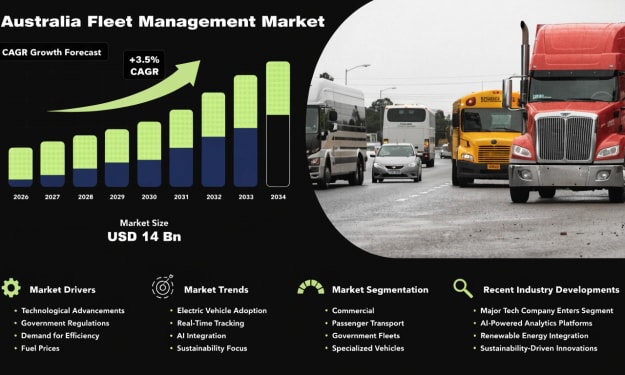
According to IMARC Group, the Australia fleet management market reached USD 885.4 Million in 2025 and is projected to expand to USD 2,057.2 Million by 2034, exhibiting a compound annual growth rate (CAGR) of 9.82% during 2026–2034. The market is experiencing strong growth as organizations across logistics, transportation, construction, and service industries increasingly adopt digital tools to manage vehicle fleets more efficiently. Fleet management solutions combine GPS tracking, telematics systems, cloud-based software, and data analytics to optimize vehicle usage, reduce operational costs, and enhance safety. In Australia, the rapid expansion of e-commerce delivery networks, growing environmental sustainability initiatives, and the transition toward electric vehicles are significantly strengthening Australia fleet management market share. Businesses are increasingly recognizing fleet management as a critical component of modern logistics and operational efficiency.
By Kevin Cooper4 days ago in Futurism
Writing To Succeed
If you want to find something that will help readers find your writing, possibly expand your audience, and maybe even get you noticed for other things, then you’re not alone. But how can you get it done in a world full of want-to-be writers? Look less at what you’re writing now, and more at what other writers have used to boost their views and reads.
By Jason Ray Morton a day ago in Writers



Comments
There are no comments for this story
Be the first to respond and start the conversation.