
The Story Behind the Green White Orange Flag Colors
Flag Colors

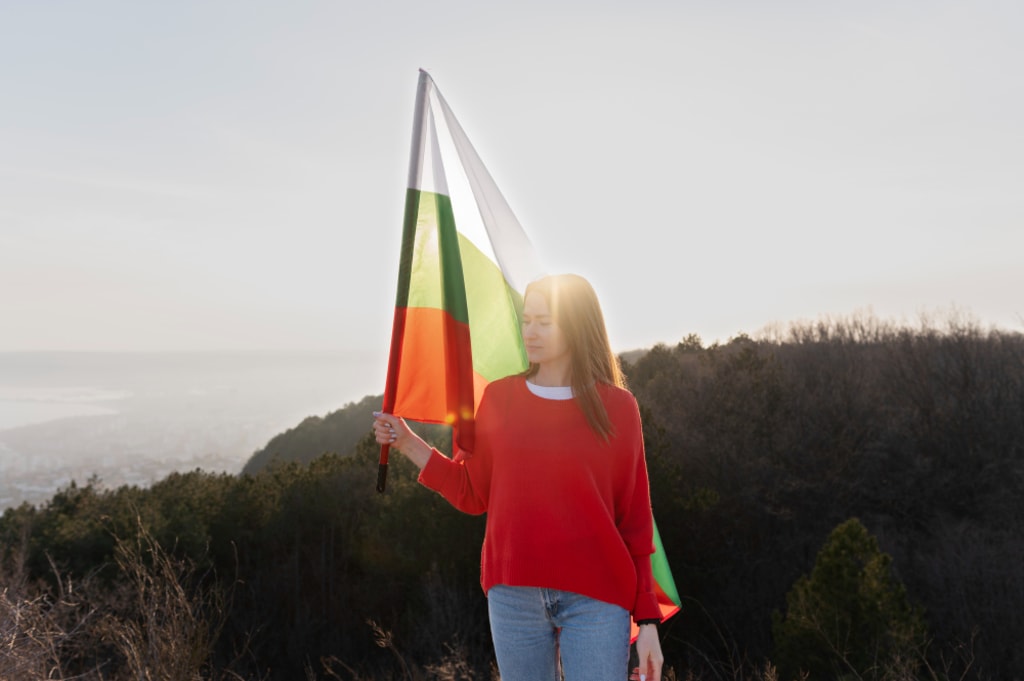
Across different parts of the world, color combinations in national flags carry deep meaning. They reflect struggles, beliefs, landscapes, and shared identity. One of the most recognizable tricolor patterns is the green, white, and orange combination. At first glance, it may look like a simple arrangement of bright colors. But behind it lies a layered story shaped by politics, faith, and cultural pride.
When people search for the meaning of the green white orange flag, they often discover that more than one country uses these colors. Each nation gives its own interpretation, yet there are common themes that connect them. To understand the symbolism fully, it helps to explore the historical context behind the most well-known examples.
🇮🇪 Ireland
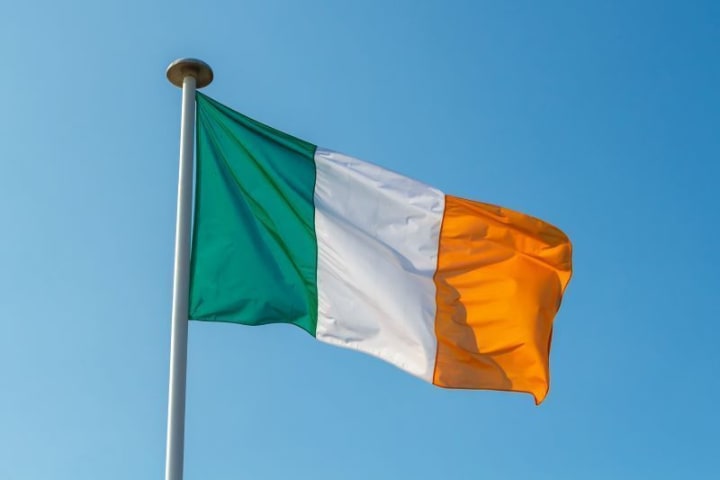
The most famous example of a green, white, and orange tricolor belongs to Ireland. The Irish flag consists of three vertical stripes: green on the hoist side, white in the middle, and orange on the fly side.
What the Colors Represent
- Green represents the Irish Catholic community and Gaelic traditions.
- Orange represents the Protestant minority, historically associated with William of Orange.
- White stands for peace and unity between the two groups.
The Irish tricolor was first introduced in 1848 by Irish nationalist Thomas Francis Meagher. He was inspired by the French tricolor, which symbolized liberty and revolution. At the time, Ireland was under British rule, and tensions between Catholic nationalists and Protestant unionists were strong. The flag was meant to symbolize hope for reconciliation.
It wasn’t officially adopted as Ireland’s national flag until 1937, after the country gained independence. Over time, the green white orange flag became a powerful symbol of Irish sovereignty and identity.
🇨🇮 Ivory Coast (Côte d'Ivoire)
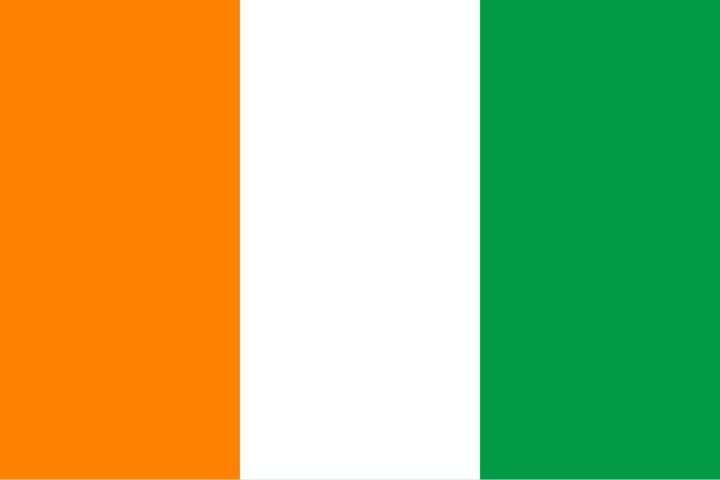
Another nation that uses the same color combination is Ivory Coast in West Africa. However, the design is reversed compared to Ireland’s. The Ivorian flag features orange on the hoist side, white in the center, and green on the fly side.
Meaning of the Colors in Ivory Coast
- Orange symbolizes the savannahs in the north of the country and national progress.
- White represents peace and unity.
- Green stands for the forests in the south and hope for the future.
Ivory Coast adopted its flag in 1959, just before gaining independence from France in 1960. Although it shares the same colors as Ireland, the symbolism is rooted in geography and national development rather than religious unity.
This shows how the same three colors can tell entirely different stories depending on context.
The Symbolism of Green
Green is one of the most widely used colors in national flags worldwide. It often represents:
- Nature and fertile land
- Agriculture and growth
- Hope and renewal
- Religious heritage
In Ireland, green became associated with nationalism and Catholic identity over centuries. The phrase “Emerald Isle” reflects the country’s lush green landscape. In Ivory Coast, green represents forested regions and economic promise.
Across cultures, green consistently connects to life and growth. That makes it a natural choice for nations wanting to emphasize renewal or prosperity.
The Meaning of White
White commonly appears in flags as a symbol of:
- Peace
- Neutrality
- Honesty
- Unity
In both Ireland and Ivory Coast, white represents peace. In Ireland’s case, it stands for harmony between communities that historically experienced conflict. In Ivory Coast, it reflects a desire for national unity after colonial rule.
White acts as a bridge between the two stronger colors. It softens the visual contrast and adds a message of balance.
The Symbolism of Orange
Orange is less common in flags than green or white, which makes it particularly distinctive. It can represent:
- Courage and sacrifice
- Cultural or religious heritage
- Energy and vitality
- The land itself
In Ireland, orange refers specifically to the Protestant community, linked to King William III of Orange. In Ivory Coast, orange reflects the northern savannah region and national strength.
Because orange is bold and vibrant, it tends to symbolize identity and resilience.
Why Tricolor Designs Became Popular
The tricolor format became widely popular during the 18th and 19th centuries. The success of the French Revolution and the symbolism of the French tricolor influenced many independence movements.
Vertical stripes, in particular, became associated with liberty and equality. The Irish flag directly drew inspiration from France’s design. Over time, the tricolor became a visual shorthand for revolutionary ideals.
The green white orange flag fits within this broader European and global tradition of tricolors representing unity and self-determination.
Cultural Impact Beyond National Flags
The color combination also appears in cultural celebrations, sports events, and political movements.
In Ireland, the tricolor is prominently displayed during St. Patrick’s Day celebrations, sporting matches, and national holidays. It is more than a government symbol. It reflects cultural pride.
Similarly, in Ivory Coast, the flag colors are widely used during independence celebrations and international competitions.
Color symbolism goes beyond government institutions. It shapes how citizens express belonging and identity.
Confusion Between Similar Flags
Because Ireland and Ivory Coast share the same color scheme in reverse order, confusion sometimes happens during international events. From a distance, the flags can look nearly identical.
The key difference lies in the placement of the colors:
- Ireland: Green – White – Orange
- Ivory Coast: Orange – White – Green
Though similar visually, their meanings and histories are distinct. This highlights how flag symbolism is tied to specific cultural and historical experiences rather than color alone.
Broader Themes Represented by the Colors
Even outside specific countries, the combination of green, white, and orange often reflects broader themes:
- Reconciliation after conflict
- Balance between tradition and progress
- Geographical diversity within a nation
- Unity across different communities
These themes are universal. That may explain why the color combination resonates across different regions.
A Deeper Look at Unity and Identity
One of the strongest messages behind the green white orange flag in Ireland is unity. The white stripe between green and orange was intentionally placed to symbolize peace between two religious and political communities.
This concept of bridging divides is powerful. Flags are often created during moments of political change. They are visual tools for building shared identity.
In many cases, flag colors are chosen not only to represent the past but also to express hopes for the future.
How Flag Colors Shape National Memory
Over time, colors become shorthand for history. In Ireland, green became tied to nationalist movements and independence efforts. Orange connected to a different historical tradition. The tricolor brought them together visually.
In Ivory Coast, orange and green highlight geographical balance between north and south. The white stripe promotes national harmony.
These choices influence how citizens see themselves. A flag becomes a story told in three bands of color.
Conclusion
The story behind the green white orange flag colors is not just about design. It is about identity, reconciliation, geography, and national pride. Whether in Ireland or Ivory Coast, the same three colors carry powerful messages shaped by unique historical experiences.
Green often speaks of land and hope. White stands for peace and unity. Orange represents heritage, courage, or regional identity. Together, they form a visual narrative that goes far beyond fabric and dye.
Understanding these meanings helps us appreciate how something as simple as color can reflect centuries of struggle, compromise, and aspiration. Flags are not random combinations. They are carefully chosen symbols meant to unify a nation and communicate its values to the world.
FAQs
1. Which country uses the green white orange flag?
Ireland is the most well-known country using this color combination. Ivory Coast also uses the same colors in reverse order.
2. What does the green color symbolize in Ireland’s flag?
Green represents the Catholic community and Ireland’s Gaelic traditions.
3. Why is white placed in the center of Ireland’s flag?
White symbolizes peace and unity between the Catholic and Protestant communities.
4. Are Ireland and Ivory Coast flags the same?
No. They share the same colors, but Ireland’s flag begins with green, while Ivory Coast’s begins with orange.
5. When was Ireland’s tricolor officially adopted?
Ireland officially adopted the flag in 1937, although it first appeared in 1848.
About the Creator
Scott Andery
Scott Andery is a Marketing Consultant and Writer. He has worked with different IT companies and he has 10+ years of experience in Digital Marketing.
Keep reading
More stories from Scott Andery and writers in FYI and other communities.
The Business Model of a Modern Internet Influencer
A decade ago, being an internet influencer sounded like a side hobby. Today, it is a legitimate business model with structured revenue streams, marketing strategies, analytics dashboards, and long-term brand positioning. What began as casual content creation has evolved into a sophisticated digital enterprise.
By Scott Andery6 days ago in Journal
A Knight of the Seven Kingdoms Series Review (Season 1)
As one of the biggest properties in fantasy, A Song of Ice and Fire remains immensely popular with audiences. After reaching far into the past with House of the Dragon, a second spin-off was on the cards. A Knight of the Seven Kingdoms serves up a bite-sized slice of action and drama, but it still claims a spot among the best small-screen titles.
By Robert Cain4 days ago in Geeks



Comments
There are no comments for this story
Be the first to respond and start the conversation.