
Global Conflicts in 2026: A Deep Dive into Yemen, Russia-Ukraine, and Beyond
War

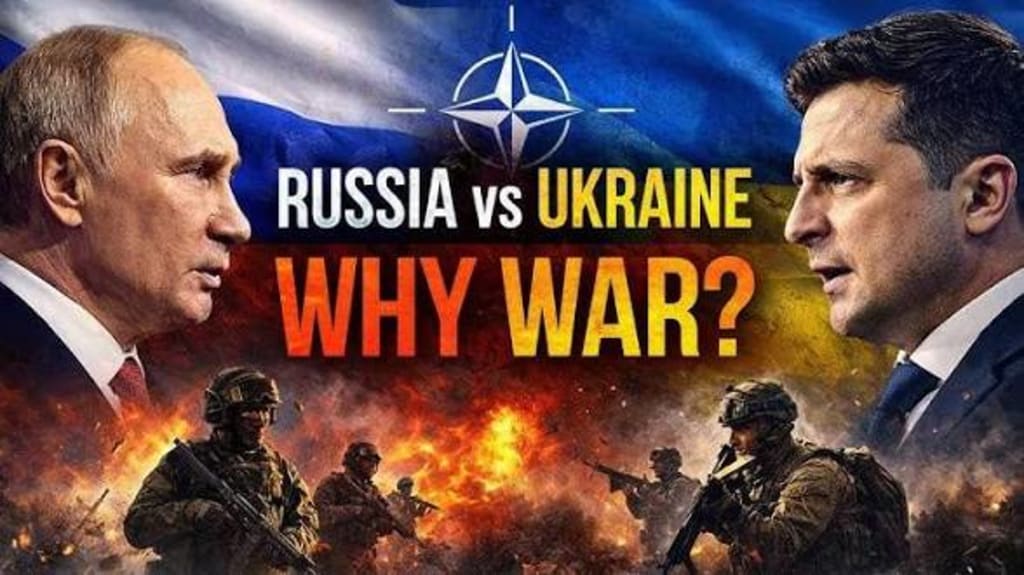
The world is currently facing several serious conflicts, including the war in Yemen and the ongoing war between Russia and Ukraine. As 2026 unfolds, the world continues to grapple with several protracted and escalating conflicts that are reshaping international relations, humanitarian priorities, and global economics. Among the most critical are the ongoing wars in Yemen and Ukraine, each with its unique dynamics, and other regional conflicts that collectively paint a troubling picture of global instability.
Yemen: A Humanitarian Catastrophe
The Yemeni civil war, now in its twelfth year, remains one of the world’s most severe humanitarian crises. The conflict pits the Houthi rebels against the internationally recognized government, which is supported by a Saudi-led coalition. In late 2025, the Southern Transitional Council (STC) intensified its offensives in southern Yemen, capturing key oil-producing regions and complicating the already fragmented political landscape.
The war has displaced over 5 million people internally, while millions more have fled abroad. Food insecurity, disease outbreaks, and destroyed infrastructure have left Yemen reliant on international humanitarian aid. The conflict’s economic consequences are equally severe, disrupting oil exports and regional trade, and straining neighboring countries.
Russia-Ukraine: The Grinding Attrition
The Russia-Ukraine war, ongoing since 2022, has entered a phase of intense attrition in 2026. Ukrainian forces have successfully reclaimed portions of the Dnipro and Zaporizhzhia regions, demonstrating improved tactics and leveraging advanced drone and AI-assisted warfare. However, Russia still controls approximately 20% of Ukraine’s territory, including strategic eastern regions.
Diplomatic efforts remain stalled. While occasional prisoner exchanges occur, meaningful negotiations have been sidelined, partly due to global attention shifting to Middle East conflicts. The human cost is immense: estimates suggest over 600,000 Ukrainian casualties and more than a million Russian casualties, though figures vary widely.
The conflict also has global repercussions. European and global energy markets remain volatile, with Russia benefiting from higher oil prices amid Middle East instability. The war has accelerated the adoption of modern warfare technology, with both sides employing drones, cyberattacks, and long-range missiles, transforming conventional battlefields.
Other Active Conflicts
Beyond Yemen and Ukraine, several other conflicts continue to demand international attention:
Iran and the Middle East: Following missile and drone escalations in early 2026, tensions in Iran, Lebanon, and surrounding Gulf states threaten regional security. Disruptions to shipping routes, particularly the Strait of Hormuz, have affected global oil markets.
Sudanese Civil War: Fighting between the Sudanese Armed Forces and Rapid Support Forces has displaced over 14 million people. The humanitarian crisis, especially in Darfur, has drawn international concern, with fears of a proxy war involving foreign powers.
Ongoing African Conflicts: Regions such as the Sahel, Ethiopia, and Libya remain unstable due to internal and external power struggles, often exacerbated by climate pressures, economic instability, and extremist groups.

Global Implications
These conflicts are not isolated; they have far-reaching impacts:
Humanitarian Strain: Millions of civilians are affected, leading to global refugee crises and immense demand for international aid.
Economic Consequences: Oil price volatility, disrupted trade routes, and supply chain disruptions affect both local and global markets.
Geopolitical Shifts: Proxy battles, alliances, and international interventions are redefining global power dynamics. Nations such as the U.S., Russia, China, and regional powers play active roles in shaping outcomes.
Technological Warfare: Modern conflicts increasingly involve drones, cyberattacks, AI-assisted intelligence, and precision missile strikes, transforming traditional warfare strategies.
Conclusion
2026 highlights the persistence and complexity of global conflicts. Yemen and Ukraine exemplify the intertwined nature of local grievances and global strategic interests, while other regional conflicts add layers of humanitarian and economic challenges. The international community faces the ongoing task of mitigating human suffering, stabilizing economies, and finding diplomatic solutions amid an increasingly complex and volatile world.
About the Creator
shaoor afridi
“I am a passionate writer dedicated to sharing informative, engaging, and well-researched articles. My goal is to provide valuable content that educates, inspires, and adds real value to readers.”
Keep reading
More stories from shaoor afridi and writers in Geeks and other communities.
U.S.–Iran Power Clash: Trump and Ali Larijani Exchange Strong Warnings
Trump and Ali Larijani Exchange Strong Warnings Tensions between the United States and Iran have sharply escalated into what many analysts describe as a power clash marked by direct threats and forceful rhetoric. In recent weeks, U.S. President Donald Trump has made increasingly aggressive statements toward Iran’s leadership and capabilities, while Iranian officials have responded with defiant warnings of their own, dismissing U.S. threats as hollow and warning of retaliation.
By shaoor afridiabout 15 hours ago in Geeks
Meet the Director Nominated for Two Oscars for Two Different Films
In the highly competitive world of filmmaking, earning a nomination for the Academy Awards is considered one of the greatest recognitions of artistic achievement. For one director, however, the honor arrived twice in a single year — for two completely different films. The unusual milestone has drawn attention across the global film industry and highlighted the creative range of a filmmaker whose work continues to push boundaries. The nominations, announced by the Academy of Motion Picture Arts and Sciences, place the director in a rare category of artists who have managed to captivate audiences and critics simultaneously with multiple projects released within the same awards cycle. While it is common for filmmakers to spend several years developing a single project, this director oversaw two distinct productions, each with its own cast, theme, and visual language. Both films went on to gain widespread critical praise, eventually earning nominations at the prestigious Academy Awards. Industry observers say the achievement reflects not only technical skill but also a remarkable ability to navigate vastly different storytelling approaches. Two Films, Two Worlds The first nominated film is a sweeping historical drama that explores the complexities of identity, power, and personal sacrifice. Set against the backdrop of a turbulent political era, the film combines intimate character studies with large-scale cinematic spectacle. Critics praised the director’s ability to balance emotional storytelling with historical authenticity. Carefully constructed scenes, detailed production design, and powerful performances helped the film resonate with audiences around the world. The second nominated film stands in stark contrast. Rather than historical drama, it is a contemporary character-driven story focused on personal relationships and moral ambiguity. The narrative unfolds in a quieter setting, relying heavily on dialogue and subtle performances. Despite its smaller scale, the film has been described as equally powerful. Reviewers noted the director’s talent for extracting complex emotions from everyday situations, turning ordinary moments into compelling cinematic experiences. Together, the two films demonstrate a rare versatility that has impressed both critics and members of the film academy. A Career Built on Risk The director’s path to recognition was not immediate. Early in their career, they worked on independent productions that struggled to secure wide distribution. Many of those early films were praised in small film festivals but received limited commercial success. Those projects, however, helped shape a distinctive creative voice. Rather than following conventional industry formulas, the filmmaker developed a reputation for taking risks with narrative structure and visual style. Over time, those risks began attracting international attention. Film critics often compare the director’s approach to that of celebrated auteurs such as Christopher Nolan and Alejandro G. Iñárritu, both known for blending ambitious storytelling with strong artistic identity. Although the comparison is flattering, the director’s work remains distinctly their own. The Challenge of Creating Two Films Producing two award-caliber films within the same period is an enormous logistical challenge. Each production requires months — sometimes years — of planning, financing, casting, and post-production work. Film industry insiders say the director’s ability to manage both projects simultaneously speaks to an exceptional level of organization and creative discipline. Crew members involved in the productions describe a collaborative environment where ideas were encouraged and experimentation was welcomed. “Every scene felt carefully planned but also open to discovery,” one cinematographer who worked on the projects said in an interview. “The director had a clear vision, but they also trusted the creative team.” Recognition from the Film Community Since the nominations were announced, the director has received congratulations from filmmakers and actors around the world. Social media has been filled with tributes from colleagues who admire the achievement. Some analysts say the nominations reflect a broader shift within the film industry toward recognizing bold storytelling and diverse perspectives. In recent years, the Academy Awards has expanded its membership and voting body, bringing in a more international and diverse group of filmmakers. That change has allowed a wider range of films to gain recognition. For this director, the moment represents both validation and new expectations. Looking Ahead While awards season attention often focuses on trophies and ceremonies, many filmmakers emphasize that recognition is only part of the creative journey. The director has already hinted at several upcoming projects, including a potential collaboration with major international studios and a smaller experimental film expected to return to their independent roots. Whether or not the Oscar nominations lead to a win, the dual recognition has firmly established the filmmaker as one of the most exciting voices in modern cinema. For audiences, the achievement offers a reminder that great storytelling can take many forms — from sweeping historical epics to intimate human dramas. And for the director behind both films, the moment marks not an end point, but the beginning of an even more ambitious chapter in a rapidly evolving career.
By Fiaz Ahmed about 7 hours ago in Geeks
TUS NUA - ch 53
TUS NUA – ch 53 New Beginnings – Mia and Midnight (*)(*)(*) Finola knew Ali’s brother-in-law needed to put his mind at rest. She fed her arm through his and led him outside. “We’ll sit here. If you like, I can put a block around us so our conversation will be private.”
By Margaret Brennan6 days ago in Fiction



Comments
There are no comments for this story
Be the first to respond and start the conversation.