
Bridgerton Season 4: 15 Fun Facts You Probably Missed (Plus the Real History Behind Them)
A quick list of details, hidden clues, and real history behind the drama

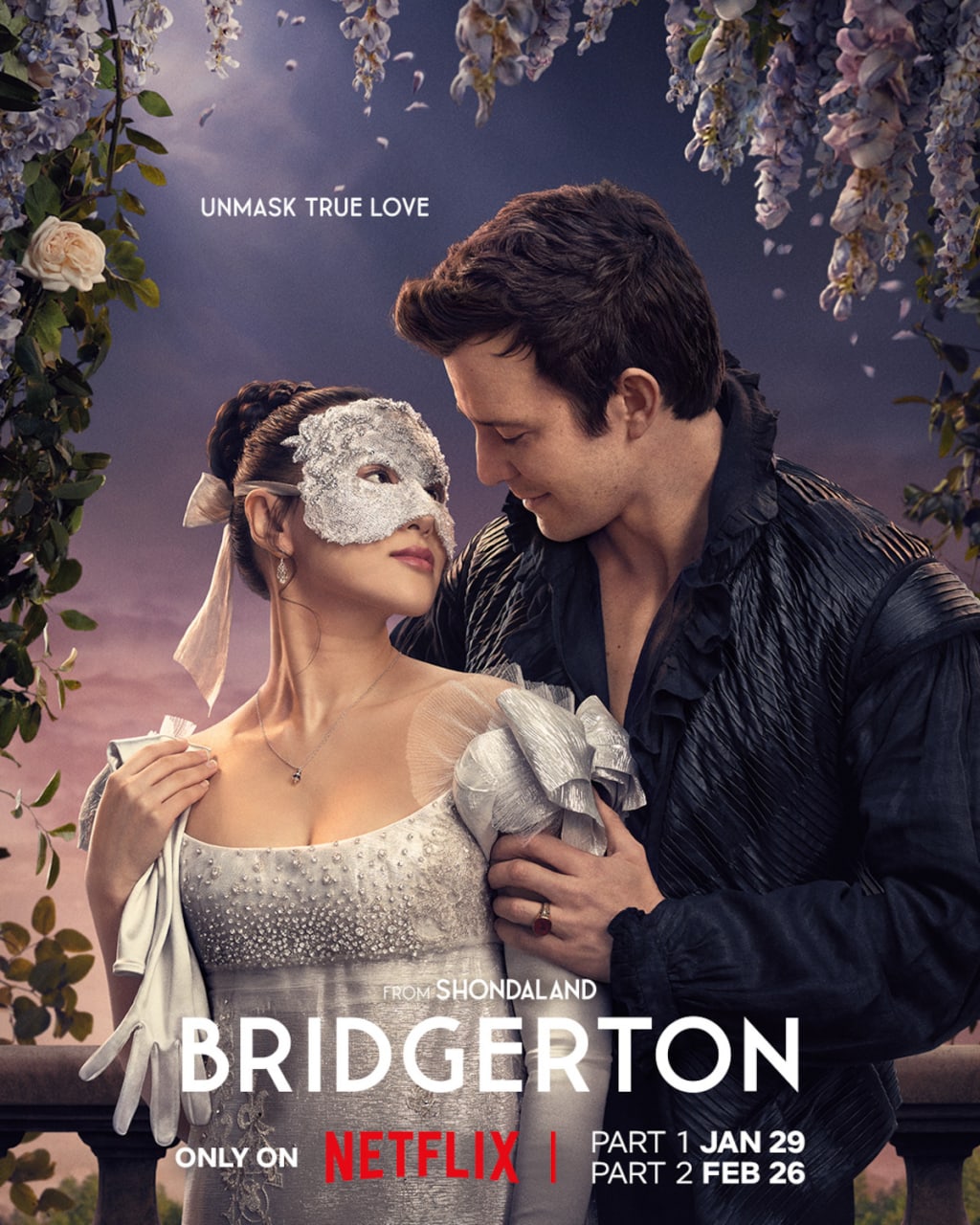
If you’re watching Bridgerton right now, you already know the small things matter. The looks. The outfits. The “rules” nobody says out loud. Season 4 feels a bit different because it leans more into mystery, secret moments, and that feeling of “one night can change everything.” And if you haven’t seen Season 4 yet, save this article for later because there are spoilers ahead.
I made a list of fun little facts you might have missed that make the season even better, plus some real history behind the vibe.
Let’s get started.
1. The masquerade isn’t just romantic… it’s a social “loophole”
Masks make people brave, because you can do things without your name attached to it right away, and you see that when Benedict falls for the Lady in Silver in a room full of people, yet it still feels “safe” for a moment because no one can fully place who she is.
Real history behind it: masquerade balls were a real thing in Europe, and people loved them because a mask gave you more freedom to flirt and move around without being judged as quickly.
2. Benedict falling fast isn’t random… the mystery makes it happen
If he knew who she was immediately, he’d start thinking about rules, family, class, and gossip, but because she’s unknown at the masquerade, he reacts with pure feeling first, not logic, and that’s what sets the tone for the whole season.
Real history behind it: back then, who you were mattered a lot. A romance could be stopped just because of family status, so “not knowing” someone’s background could feel exciting… and dangerous.
3. That glove moment is filmed like a big deal because it is
Touch in public is never “small” in this world, so when Benedict removes her glove and kisses her hand or wrist, it reads romantic but it’s also bold enough that anyone watching would clock it as intimate.
Real history behind it: public touch was limited and very controlled, especially for unmarried people. Even small gestures could be read like a message to everyone watching.
4. Violet catching Benedict isn’t just funny… it’s reality entering the room
Parents weren’t background characters, they managed reputation like a full-time job, and Violet walking in on Benedict’s messy, compromising moment is basically the show reminding you that his choices don’t only affect him, they affect every Bridgerton in society.
Real history behind it: families protected the “family name” because one scandal could hurt siblings too, especially sisters who needed good matches.
5. These events are basically a public stage
Showing up wasn’t only for fun, it was to be seen, talked about, and judged, and you can feel that power in how Lady Danbury moves through a room because she doesn’t need to speak loudly for people to react to her presence.
Real history behind it: high society events were like networking events. Being invited, being noticed, and being spoken to by the “right” people could raise your status.
6. Sophie’s secret matters because class is the real wall
The romance is cute, but the system is harsh, and Sophie isn’t introduced as a “mystery rich girl” she’s a working woman in that world, which means the same choices get judged completely differently depending on who you are.
Real history behind it: class lines were strict. A servant could lose their job, safety, and reputation much faster than a wealthy person could.
7. “Be my mistress” is not a romantic offer in that time
It’s a power move, even if the person saying it has feelings, and Benedict saying “Be my mistress” is exactly why Sophie reacts the way she does, because in that world, it means being kept unofficial and unprotected, with no real safety.
Real history behind it: being a mistress could mean money and comfort for a while, but it usually didn’t come with real respect, legal protection, or a secure future.
8. Lady Araminta isn’t just mean… she represents control
She controls money, the house, and Sophie’s choices, and the dowry theft storyline isn’t only drama, it shows how financial control can be used to trap someone in a life they can’t easily escape.
Real history behind it: money meant power. Women often couldn’t control their own finances the way men could, so whoever held the money could control the decisions.
9. Posy matters because she shows “soft rebellion”
Not everyone fights loudly, some people resist by refusing to join cruelty, and Posy staying loyal to Sophie and showing up for her later feels like her quietly choosing kindness even though it puts her against her mother.
Real history behind it: many women had limited “loud” power, so a lot of resistance looked like quiet support, secret help, or refusing to play along.
10. The bathtub scene isn’t only for romance… it’s about care
Bridgerton uses physical closeness to show emotional safety, and the bathtub scene feels like Benedict trying to give Sophie comfort and peace for once, not only passion.
Real history behind it: in real life, sharing private space like that would be extremely personal and risky. Privacy was protected because being alone together could start rumors fast.
11. Gossip is still a weapon, even if it looks entertaining
People use gossip to push others into line, and you can literally see characters get treated differently after a rumor spreads because invitations, respect, and safety depend on public opinion.
Real history behind it: gossip wasn’t just “tea”. It could decide who got invited, who got ignored, and who became a warning story for others.
12. The Season looks glamorous, but for women, it’s work
It’s hours of getting ready, then sitting inside strict rules all night, and Sophie’s position makes that contrast louder because she sees the labor behind the pretty world the ton enjoys.
Real history behind it: women were judged hard on appearance and behavior. Clothes, manners, and “being presentable” weren’t optional if your future depended on a good match.
13. The death storyline changes the emotional tone
This season uses grief to push honesty and reflection, and John Stirling’s death becomes a turning point that shifts how people think about love, time, and what they’re willing to risk.
Real history behind it: death was more common than people like to admit, and it often forced families into quick changes, marriage plans, money issues, and new responsibilities.
14. The payoff is bigger than romance… it’s the Queen’s approval
In that world, love doesn’t feel “complete” until it’s accepted by the people with the most power, and once the Queen shows her approval, it’s like the couple can finally breathe, which is why the engagement feels possible right after, and the post-credit wedding scene lands like the final stamp on it all.
Real history behind it: royal approval and high-level social approval mattered. If the “top” of society accepted you, other people often followed because nobody wanted to be on the wrong side of power.
15. The whole season is really asking one question
Can love outrun class rules, because Benedict and Sophie aren’t fighting feelings, they’re fighting what the world will allow.
Real history behind it: love marriages existed, but class marriages were still the “safe” choice. Crossing class lines could cost people their place in society.
Quick History Fact: The Social Season
In real life, the “social season” was a real period where wealthy families stayed in the city for months of events, networking, and marriage matches. It was glamorous, but it was also expensive and stressful, because reputation could decide your future.
Anyway… Bridgerton really knows how to make the smallest moment feel important.
Let me know below which detail caught your attention the most!
About the Creator
Diane Z
A Caribbean living abroad sharing fun facts, culture, and everyday insights ✨
Worst Mid-Air Crash in Aviation History part 1
It was evening over Delhi when two aircraft carrying a total of 349 people were moving toward each other in the sky. One of them was preparing to land at Delhi Airport, while the other had just taken off from Delhi. Both pilots were receiving instructions from the same air traffic controller, and a vertical separation of 1,000 feet had been maintained between them.
By Imran Ali Shah7 days ago in History




Comments
There are no comments for this story
Be the first to respond and start the conversation.