
The Somerton Man
An unidentified body, a mysterious code, and a case that has baffled investigators for over seventy years

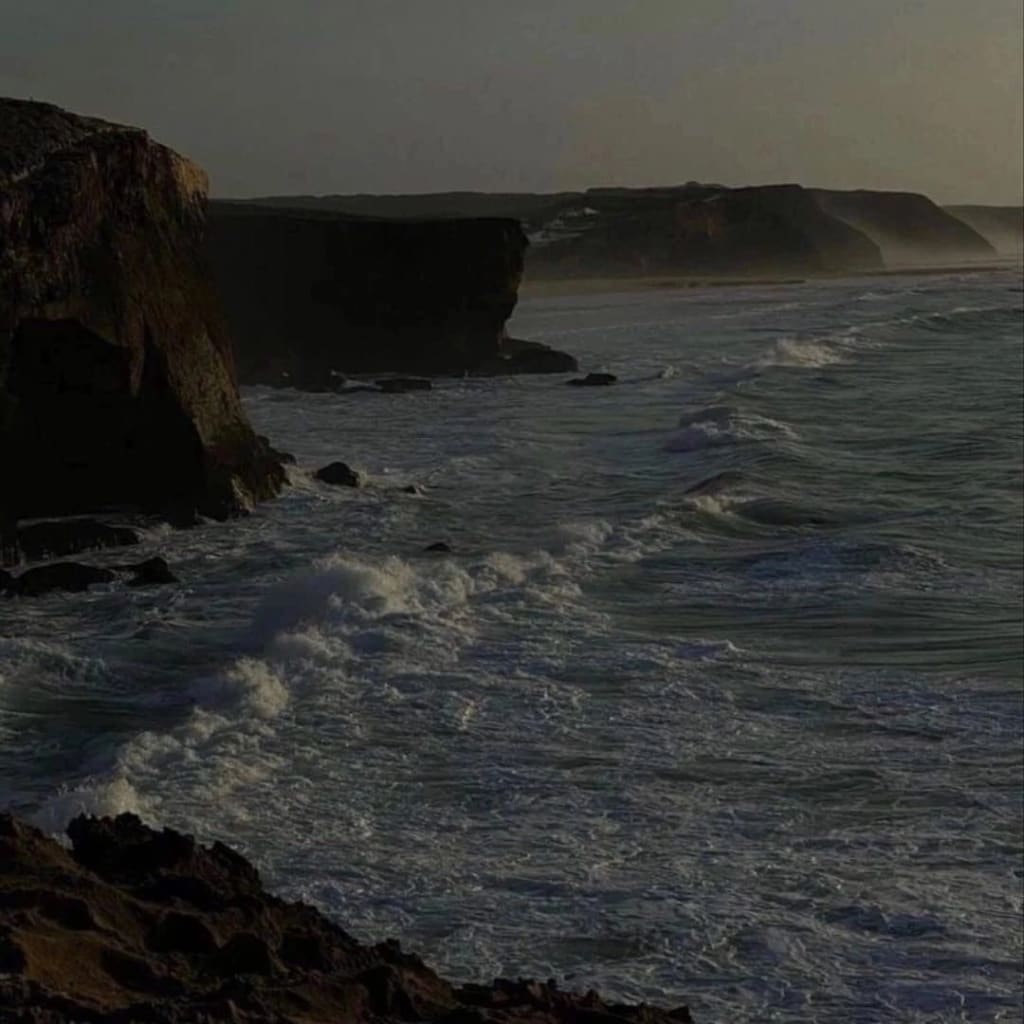
On the morning of December 1, 1948, beachgoers at Somerton Beach near Adelaide, Australia, noticed a well-dressed man lying against the seawall with his head resting on the concrete barrier and his legs extended onto the sand, positioned in a way that suggested he might be sleeping or resting, and several people observed him throughout the morning and early afternoon without being particularly concerned because it was not unusual for people to relax at the beach, though some later recalled thinking his formal attire of a suit, tie, and polished shoes seemed inappropriate for a day at the seaside. By early evening when the man had not moved for many hours, witnesses became concerned and approached to check on him, discovering that he was dead with no obvious signs of violence or injury, and police were called to the scene where they found the body of a man who appeared to be in his forties, physically fit and well-groomed, with no identification in his pockets and no wallet or personal documents that might reveal who he was or where he had come from, only a few common items including a pack of cigarettes, matches, and a bus ticket from the city center to the beach.
The autopsy conducted the following day revealed findings that were puzzling and contradictory, with the pathologist noting that the man's internal organs showed signs consistent with poisoning, particularly the congestion and distension of various organs and the presence of blood in the stomach, but toxicology tests failed to identify any known poison in his system, and the pathologist concluded that death was likely caused by some toxic substance but could not determine what that substance might have been, possibly because it was an exotic poison not included in standard toxicology screening or because it had broken down or been metabolized in a way that made it undetectable by the testing methods available at the time. The investigation took an even stranger turn when police discovered a brown suitcase at the Adelaide railway station that appeared to belong to the dead man based on the clothing inside matching his size and style, but the suitcase provided few clues to his identity because all of the clothing labels had been carefully removed, suggesting a deliberate attempt to prevent identification, and the items in the suitcase included various articles of clothing, a screwdriver, a pair of scissors, and a stenciling brush but nothing with a name or address that might reveal the owner's identity.
Several months after the body was discovered, police made a breakthrough when they found a small pocket sewn into the waistband of the dead man's trousers that they had initially missed, and inside this hidden pocket was a small piece of paper that had been torn from a book with two words printed on it in an ornate typeface reading "Tamam Shud" which means "finished" or "ended" in Persian and is the final phrase from a collection of poems called the Rubaiyat of Omar Khayyam, a work that was popular in English translation during the 1940s. Police launched a public appeal asking anyone who owned a copy of the Rubaiyat with a piece torn from the final page to come forward, and eventually a man came to the police station with a copy of the book that he said he had found in his car, which had been parked with the windows down near Somerton Beach around the time the body was discovered, and examination of this book confirmed that the scrap found in the dead man's pocket had been torn from its final page, and investigators also discovered that the book contained additional clues including a phone number and a sequence of letters written in pencil on the back cover that appeared to be some kind of code.
The phone number led police to a woman who lived in the Adelaide area and who they interviewed as a potential witness, though her identity was kept secret at the time and she became known in reports about the case as "Jestyn" based on a name she had used when giving a copy of the Rubaiyat to a man she knew during World War II, and she told investigators that she had given a copy of the poetry collection to an army officer she had been romantically involved with during the war but claimed not to recognize the dead man when shown photographs, though witnesses who observed the interview reported that she appeared shocked and possibly frightened when she saw the pictures, and she also claimed to know nothing about the code written in the book. The code itself consisted of five lines of capital letters that appeared to be an encrypted message, reading "WRGOABABD" in the first line, "MLIAOI" in the second line, followed by additional letter sequences in the remaining three lines with some letters crossed out and the second line appearing to be separated by what might be a division or a continuation mark, and despite decades of attempts by professional cryptographers, amateur code-breakers, and computer analysis, no one has been able to definitively decipher the message, with theories ranging from it being a genuine code that requires a key or cipher to decode, to it being an abbreviated form of writing that would have meaning only to the person who wrote it, to the possibility that it is not a code at all but random letters or an incomplete draft of something else entirely.
The mystery deepened when investigators discovered additional strange details about the case, including the fact that the dead man's teeth showed evidence of unusual dental work that did not match the typical practices of Australian dentists at the time and might indicate that he had received dental care in another country, and his calf muscles were unusually well-developed in a way that suggested he might have been a dancer or someone who regularly wore high heels or stood on his toes, leading to speculation about his profession and background. Theories about the Somerton Man's identity and the circumstances of his death have proliferated over the decades, with some investigators suggesting he was a foreign spy who was poisoned by enemy agents during the early Cold War period when Adelaide was a strategic location due to the presence of weapons testing facilities and other military installations, while others have proposed that he was involved in smuggling or other criminal activities that led to his murder, and still others believe he may have committed suicide for unknown personal reasons, choosing a poison that would be difficult to detect and removing all identifying information to prevent his family from being notified or to maintain anonymity for other reasons.
The connection to the Rubaiyat and the woman known as Jestyn has led to speculation about a romantic angle to the case, with some researchers suggesting that the dead man may have been the army officer to whom Jestyn originally gave her copy of the poetry collection and that he may have traveled to Adelaide to see her, possibly because he was the father of her son who was born during the war, and this theory gained some credence when photographs comparing the Somerton Man to Jestyn's son and grandson showed striking physical similarities including unusual ear shapes and other distinctive features that might indicate genetic relationship, though without DNA testing this remained pure speculation. For many years DNA testing was not possible because the technology did not exist or because the samples from the dead man's body had degraded too much to be useful, but in recent years advances in forensic science and the development of genetic genealogy techniques that can identify individuals through DNA matches with distant relatives have raised hopes that the case might finally be solved, and in 2021 Australian authorities exhumed the Somerton Man's body to extract samples for DNA analysis and genetic genealogy testing, with results expected to potentially identify him by tracing his family tree through DNA databases.
The cultural impact of the Somerton Man case has been significant in Australia where it remains one of the country's most famous unsolved mysteries, inspiring books, documentaries, dramatic productions, and endless speculation and debate among amateur sleuths who have formed communities dedicated to investigating the case and proposing new theories, and the image of the well-dressed man lying dead on the beach with his secrets intact has become an iconic representation of the enigmatic and the unknowable, a reminder that even in the modern world with all our technology and investigative techniques, some mysteries resist solution and some individuals can vanish or die without leaving enough traces for us to reconstruct their stories. The case also raises profound questions about identity and memory, about what it means for someone to die unknown and unremembered with no one to mourn them or tell their story, and about the efforts we make as a society to identify the dead and solve mysteries, driven by a sense that every person deserves to have their name known and their death explained even if they took deliberate steps to prevent identification, and this tension between the apparent desire of the Somerton Man to remain anonymous and the determination of investigators and researchers to uncover his identity continues to be a central element of the case's enduring fascination and its status as one of the great unsolved mysteries of the twentieth century.
About the Creator
The Curious Writer
I’m a storyteller at heart, exploring the world one story at a time. From personal finance tips and side hustle ideas to chilling real-life horror and heartwarming romance, I write about the moments that make life unforgettable.
Keep reading
More stories from The Curious Writer and writers in Horror and other communities.
The Vanishing Lighthouse Keepers
The Flannan Isles Lighthouse stands on the largest of a group of remote islands in the Outer Hebrides of Scotland, built in 1899 to warn ships away from dangerous rocks that had claimed countless vessels over the centuries, and it was staffed by teams of three lighthouse keepers who rotated in shifts to maintain the light and keep detailed logs of weather conditions and everything that occurred during their watch, following strict protocols established by the Northern Lighthouse Board that governed every aspect of their duties and responsibilities. On December 26, 1900, the relief vessel Hesperus arrived at the island to bring supplies and rotate the keepers, but when Captain James Harvey approached the landing area, he immediately sensed something was wrong because there was no flag flying on the flagpole as there should have been, no storage boxes waiting on the platform for the supplies being delivered, and no keepers waiting at the landing to help secure the boat and unload the cargo as protocol required, and when he sounded the ship's horn repeatedly and fired a flare to signal their arrival, there was no response from the lighthouse despite the fact that someone should have been on duty and watching for the relief vessel.
By The Curious Writerabout 2 hours ago in Horror


Comments
There are no comments for this story
Be the first to respond and start the conversation.