
A College Degree Is About Far More Than Job Training

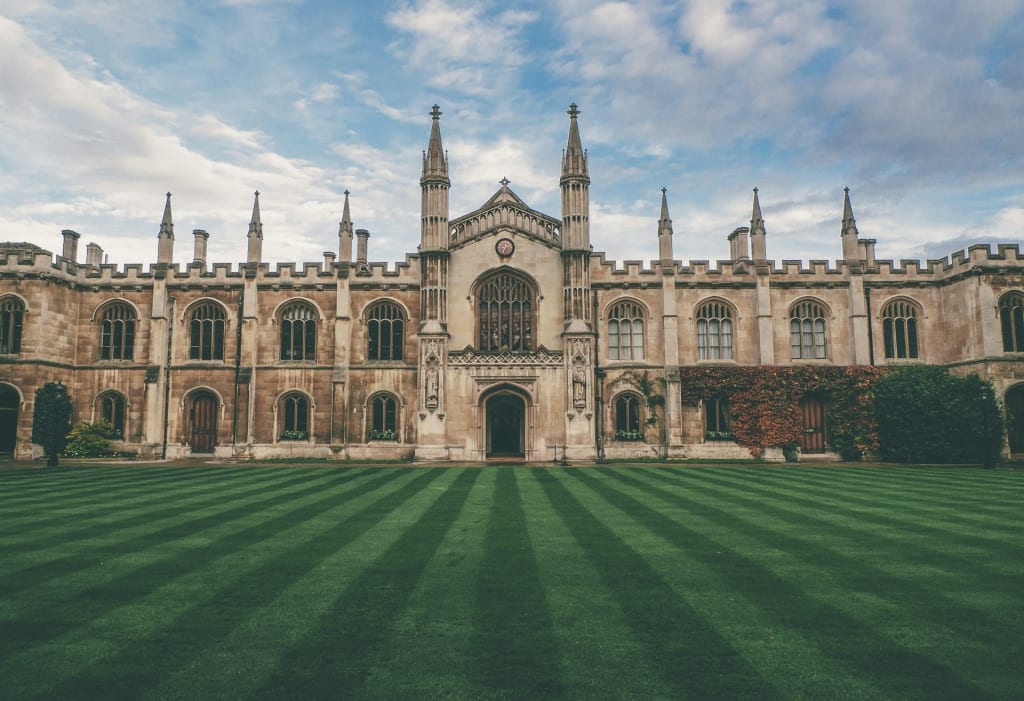
A college degree is often described as a ticket to better employment, a credential that opens doors, or a practical step toward financial stability. Those things matter, and they matter a great deal, especially for students who carry the weight of family expectations or economic pressure. Yet the deeper truth is that college has never been only about preparing for a job. It is a long, transformative passage into adulthood, a place where the mind stretches, the heart widens, and the self begins to take shape in ways that cannot be measured by a résumé. The value of a college education reaches far beyond technical training. It shapes how a person thinks, how they relate to the world, and how they understand themselves.
Students often arrive on campus with a narrow idea of what college is supposed to give them. They imagine a straight line between major and career, as if choosing a field of study locks in a single future. That belief is understandable, especially in a culture that treats education as a transaction. But the lived experience of college is far more complex. It is a period of exploration, confusion, discovery, and growth. It is a time when young adults learn to question assumptions, manage their own time, navigate relationships, and make decisions that carry real consequences. These skills are not listed on a diploma, yet they shape a person’s life as profoundly as any professional training.
The shift from adolescence to adulthood does not happen all at once. It unfolds slowly, through thousands of small choices and moments of insight. College provides a unique environment for that unfolding. Students live away from home, often for the first time, and must learn to care for themselves. They manage their own schedules, handle their own conflicts, and face the results of their own decisions. They learn how to ask for help, how to advocate for themselves, and how to recover from mistakes. These experiences build resilience and independence, qualities that employers value but cannot teach through job training alone.
Critical thinking is one of the most important skills students develop in college. It is not a single technique but a way of approaching the world. It teaches students to evaluate evidence, question assumptions, and consider multiple perspectives before reaching a conclusion. This skill is essential in every field, from engineering to nursing to business. It is also essential in daily life. People who think critically are better equipped to make informed decisions, resist misinformation, and engage in thoughtful conversations about complex issues. They become citizens who can participate meaningfully in a democratic society.
The classroom is only one place where critical thinking develops. Students learn it through discussions with peers, debates in residence halls, and late‑night conversations that stretch their understanding of the world. They learn it when they encounter ideas that challenge their beliefs, and when they must defend their positions with clarity and respect. They learn it when they read books that unsettle them, when they write essays that force them to articulate their thoughts, and when they listen to professors who push them to think more deeply. These experiences shape the mind in ways that last a lifetime.
College also teaches students how to communicate. Writing papers, giving presentations, and participating in discussions all build the ability to express ideas clearly and confidently. Communication is one of the most transferable skills a person can have. It strengthens relationships, improves teamwork, and enhances leadership. It helps people advocate for themselves and others. It allows them to share their ideas with the world. Employers consistently rank communication as one of the most important skills they look for, yet it is rarely taught in job‑specific training programs. College provides the space and structure for students to practice it again and again.
Another essential skill students gain is the ability to work with others. Group projects, campus organizations, and shared living spaces all require cooperation, compromise, and empathy. Students learn how to navigate differences, resolve conflicts, and build trust. They learn how to lead and how to follow. They learn how to support others and how to ask for support. These interpersonal skills are vital in every workplace and every community. They help people build healthy relationships, collaborate effectively, and contribute to the well‑being of those around them.
College also exposes students to diversity in ways that many have never experienced before. They meet people from different backgrounds, cultures, and belief systems. They encounter ideas that challenge their assumptions and broaden their understanding of the world. This exposure fosters empathy, curiosity, and open‑mindedness. It helps students develop a more nuanced view of humanity. It prepares them to live and work in a global society. Diversity is not an abstract concept in college; it is a lived experience that shapes students’ identities and values.
The process of choosing a major is itself a lesson in self‑discovery. Many students arrive with a clear plan, only to find that their interests shift as they explore new subjects. Others arrive uncertain and use their first years to experiment. Both paths are valid. College encourages students to explore, question, and reflect. It invites them to discover what excites them, what challenges them, and what gives their lives meaning. This exploration helps students make more informed decisions about their futures. It also teaches them that identity is not fixed but evolves over time.
Learning how to learn is another profound gift of a college education. Students encounter subjects that are difficult, unfamiliar, or intimidating. They must develop strategies for understanding complex material, managing large workloads, and staying motivated. They learn how to break tasks into manageable steps, how to seek help when needed, and how to persist through frustration. These habits of mind are essential for lifelong learning. In a world where technology and industries change rapidly, the ability to learn new skills is more valuable than any single piece of job training.
College also nurtures creativity. Whether students are writing essays, conducting experiments, designing projects, or performing in the arts, they are encouraged to think imaginatively and take intellectual risks. Creativity is not limited to artistic fields. It is essential in science, engineering, business, and every profession that requires innovation. College provides the freedom and support for students to explore new ideas, experiment with different approaches, and develop their creative potential.
The relationships students form in college often shape their lives in lasting ways. Friendships forged during these years can become lifelong sources of support and inspiration. Mentors—professors, advisors, and older students—can guide students through challenges and help them see possibilities they had not imagined. These relationships create a sense of belonging and community. They remind students that they are not alone in their struggles or their dreams. They help students build networks that support their personal and professional growth long after graduation.
College also teaches students how to navigate uncertainty. They face difficult choices, unexpected setbacks, and moments of doubt. They learn that failure is not the end but a step in the learning process. They discover that resilience is built through experience, not inherited at birth. These lessons prepare students for the unpredictability of adult life. They help them approach challenges with confidence and adaptability.
The value of a college degree extends into the broader community as well. College graduates are more likely to vote, volunteer, and participate in civic life. They tend to have better health outcomes, higher levels of job satisfaction, and greater financial stability. These benefits ripple outward, strengthening families, neighborhoods, and societies. Education enriches not only the individual but the world they inhabit.
Some critics argue that college is unnecessary, especially for students who could learn job‑specific skills through apprenticeships or vocational programs. Those pathways are valuable and should be respected. Not every career requires a college degree, and not every student needs or wants a four‑year program. Yet the argument that college is only worthwhile if it leads directly to a job misses the deeper purpose of higher education. College is not a narrow pipeline to employment. It is a place where people grow into themselves, expand their minds, and prepare for a lifetime of learning and contribution.
The modern world demands more than technical competence. It requires people who can think critically, communicate clearly, collaborate effectively, and adapt to change. It requires people who understand complexity, appreciate diversity, and approach problems with creativity and empathy. These qualities cannot be taught in a short training program. They develop through sustained engagement with ideas, people, and experiences. College provides the environment for that development.
A college degree is also a symbol of commitment. It represents years of effort, discipline, and perseverance. It shows that a person can set long‑term goals and work steadily toward them. Employers recognize this. They understand that a degree signals more than knowledge; it signals character. It shows that the graduate has learned how to manage time, meet deadlines, and handle responsibility. These qualities are essential in every workplace.
The transition from student to adult is not always smooth. College can be overwhelming, stressful, and confusing. Students face academic pressure, financial challenges, and personal struggles. Yet these difficulties are part of the learning process. They teach students how to cope with stress, seek support, and build resilience. They help students develop emotional intelligence, which is as important as intellectual ability. Emotional intelligence allows people to understand their own feelings, empathize with others, and navigate social situations with grace. It strengthens relationships and enhances well‑being.
College also encourages students to think about their values. They encounter ethical dilemmas, social issues, and philosophical questions that challenge them to reflect on what matters most. They learn how to articulate their beliefs and how to listen to the beliefs of others. They develop a sense of responsibility to themselves and to the world. This moral and ethical development is a crucial part of becoming an adult. It shapes how students approach their careers, their relationships, and their roles as citizens.
The freedom students experience in college is both exhilarating and daunting. They choose their classes, manage their time, and make decisions that shape their futures. This freedom teaches them how to take ownership of their lives. It helps them develop confidence in their abilities and trust in their judgment. It prepares them for the independence of adulthood.
College also provides opportunities for leadership. Students can join clubs, lead organizations, participate in student government, or take on roles in community service. These experiences teach them how to motivate others, manage projects, and make decisions that affect a group. Leadership is not about authority; it is about responsibility, empathy, and vision. College helps students develop these qualities in a supportive environment.
The intellectual environment of college is one of its greatest gifts. Students are surrounded by people who are passionate about ideas, curious about the world, and eager to learn. They have access to libraries, laboratories, lectures, and discussions that expose them to new ways of thinking. This environment fosters a love of learning that can last a lifetime. It reminds students that education is not a chore but a privilege.
College also teaches students how to balance multiple responsibilities. They juggle classes, jobs, extracurricular activities, and social lives. They learn how to prioritize, plan, and manage their time. These skills are essential in adult life, where competing demands are constant. The ability to balance responsibilities reduces stress, improves productivity, and enhances well‑being.
The process of writing papers and completing projects teaches students how to think deeply and express themselves clearly. Writing is a powerful tool for understanding. It forces students to organize their thoughts, analyze information, and communicate their ideas. These skills are valuable in every profession and every aspect of life. They help people solve problems, make decisions, and share their insights with others.
College also exposes students to failure in a way that is constructive rather than destructive. They may struggle with difficult classes, receive disappointing grades, or face setbacks in their personal lives. These experiences teach them how to recover, reflect, and try again. They learn that failure is not a reflection of their worth but a natural part of growth. This understanding builds resilience and confidence.
The friendships students form in college often become some of the most meaningful relationships of their lives. These friendships are built on shared experiences, mutual support, and deep conversations. They provide comfort during difficult times and joy during celebrations. They help students feel connected and understood. These relationships enrich life long after graduation.
College also encourages students to explore their interests outside of academics. They can join clubs, participate in sports, volunteer in the community, or pursue creative projects. These activities help students discover new passions, develop new skills, and build a sense of identity. They also provide balance and joy, which are essential for well‑being.
The experience of living in a community of peers teaches students how to navigate social dynamics, resolve conflicts, and build relationships. They learn how to communicate effectively, set boundaries, and show empathy. These skills are essential for healthy relationships in adulthood.
College also provides opportunities for self‑reflection. Students have time and space to think about who they are, what they want, and what kind of life they hope to build. They can explore different identities, challenge old beliefs, and imagine new possibilities. This self‑reflection is a crucial part of becoming an adult.
The exposure to different disciplines helps students develop a broad understanding of the world. They may study literature, history, science, mathematics, philosophy, and the arts. This interdisciplinary learning fosters curiosity, creativity, and critical thinking. It helps students see connections between different fields and understand the complexity of the world.
College also teaches students how to engage with information critically. They learn how to evaluate sources, analyze arguments, and distinguish between fact and opinion. These skills are essential in a world where misinformation is widespread. They help students make informed decisions and participate in thoughtful conversations.
The experience of working on long‑term projects teaches students how to plan, manage time, and stay motivated. They learn how to break tasks into manageable steps, set goals, and track their progress. These skills are valuable in every aspect of life, from careers to personal projects.
College also provides opportunities for mentorship. Professors, advisors, and older students can offer guidance, support, and encouragement. These mentors help students navigate challenges, explore opportunities, and develop confidence. They provide wisdom and perspective that can shape a student’s life.
The process of choosing a career path is often complex and uncertain. College provides resources, support, and opportunities for exploration. Students can take internships, attend career fairs, and meet professionals in their fields. These experiences help them make informed decisions about their futures.
College also teaches students how to adapt to change. They may change majors, switch classes, or adjust to new living situations. These experiences teach them how to be flexible, resilient, and open to new possibilities. These qualities are essential in a world that is constantly changing.
The experience of being part of a community teaches students how to contribute to something larger than themselves. They may participate in service projects, join student organizations, or support their peers. These experiences foster a sense of responsibility, empathy, and connection.
College also provides opportunities for personal growth. Students may discover new interests, develop new skills, or overcome personal challenges. They may learn how to manage stress, build confidence, or develop healthier habits. These experiences help them become more resilient, self‑aware, and capable.
The value of a college degree cannot be measured solely by the job it leads to. It is a transformative experience that shapes the mind, heart, and character. It prepares students not only for careers but for life. It teaches them how to think, communicate, collaborate, and adapt. It helps them discover who they are and who they want to become.
A college education is an investment in the whole person. It enriches the mind, strengthens the character, and expands the possibilities of a life. It is about far more than job training. It is about becoming an adult, developing critical thinking skills, and gaining the tools needed to navigate a complex and changing world. It is about growth, discovery, and transformation. It is about becoming the kind of person who can contribute meaningfully to society and live a life of purpose and fulfillment.
About the Creator
Julie O'Hara - Author, Poet and Spiritual Warrior
Thank you for reading my work. Feel free to contact me with your thoughts or if you want to chat. [email protected]
Keep reading
More stories from Julie O'Hara - Author, Poet and Spiritual Warrior and writers in Humans and other communities.
When the World Turns: The Passport as a Lifeline in Uncertain Times
A passport is one of the most important documents a person can hold, not because it symbolizes travel or privilege, but because it protects your freedom of movement when the world becomes unpredictable. Many people in the United States think of a passport as something you only need for vacations or special trips. In reality, it is a basic tool of personal safety. A passport is one of the simplest and strongest forms of protection a person can hold, not because it symbolizes travel or privilege, but because it preserves the basic freedom to move when life becomes unpredictable. Many people in the United States think of a passport as something used only for vacations or special trips, yet history shows that a passport is far more important than that. It is a lifeline. It is the document that proves your identity across borders, allows you to leave your homeland legally, and gives you the ability to reach safety if conditions around you change suddenly. No country is immune to conflict, unrest, or rapid social breakdown. Things can turn without warning, and when they do, the people who are able to leave safely are usually the ones who already have their documents in order.
By Julie O'Hara - Author, Poet and Spiritual Warrior2 days ago in Humans
A Historic Declaration
We the People of the Husbands of the United States of America, in Order to form a more perfect Union, and I mean you...with me...establish Justice, insure domestic Tranquility, provide for the common defence, promote the general Welfare, and secure the Blessings of Liberty to ourselves, after Puberty, do ordain and establish this Declaration of Co-Dependence.
By Gerard DiLeo5 days ago in Humans
This Is What I Do When People Throw Rocks At Me
Rocks have been thrown at me for a greater part of my life. Some have been small and missed hitting me. When people don't get a reaction from me, they throw bigger rocks with a better aim. Many have been hurled at me with precision over the years. For a long time, I thought my only options were to dodge them or be crushed by them.
By Margaret Minnicks5 days ago in Confessions


Comments
There are no comments for this story
Be the first to respond and start the conversation.