
Princesses Beatrice and Eugenie Won’t Attend Royal Ascot Amid Family Controversy
The York sisters reportedly barred from the annual royal horse racing event as scrutiny around their family continues

Introduction: Royal Ascot and the York Sisters
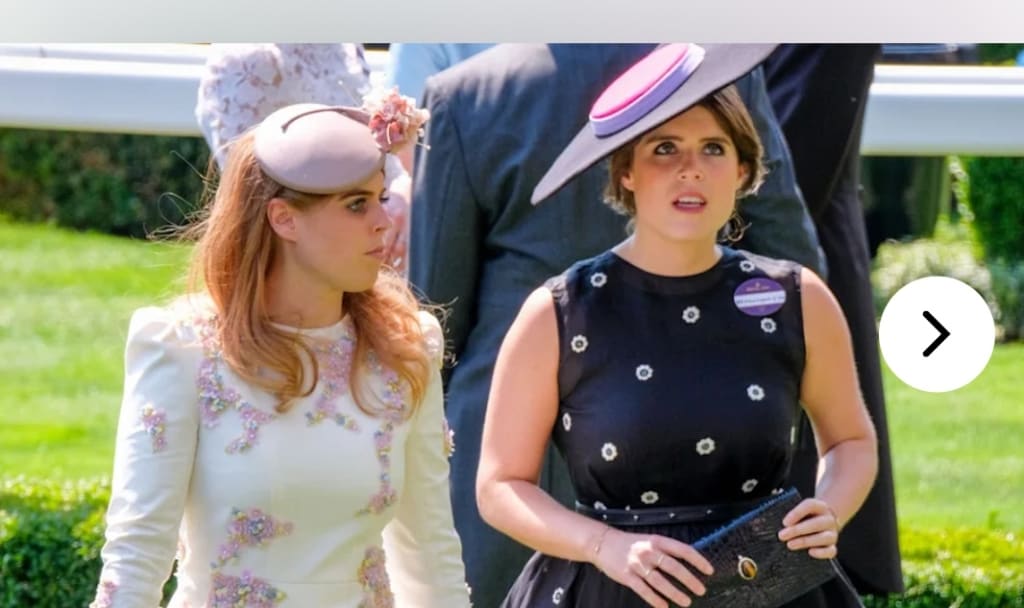
Royal Ascot, one of the United Kingdom’s most prestigious horse racing events, has long been a fixture in the royal calendar. The annual event, typically held in June, draws royals, celebrities, and racing enthusiasts from around the world. Among the traditional participants are Princesses Beatrice and Eugenie, daughters of Prince Andrew, Duke of York, and Sarah Ferguson, the Duchess of York.
According to recent reports, this year’s event will see a notable absence: Princess Beatrice and Princess Eugenie have been told they are not to attend. The decision has reportedly come from senior members of the royal household. Sources suggest the ban is linked to ongoing sensitivities surrounding their father’s connections with the late convicted sex offender Jeffrey Epstein, as well as Andrew’s continuing public scrutiny.
The sisters have been longstanding figures at Royal Ascot, participating in the ceremonial carriage procession and attending races alongside senior royals. Their absence marks a significant break from tradition and highlights ongoing tensions within the royal family.
Background: Prince Andrew’s Controversy
To understand the current situation, it is important to consider the context of their father, Prince Andrew’s, public controversies. In 2019, Prince Andrew stepped back from public royal duties following intense media coverage of his association with Jeffrey Epstein.
In January 2022, Queen Elizabeth II formally stripped Andrew of his military titles and royal patronages. The move followed both public criticism and legal challenges. Later, King Charles III revoked his remaining royal titles in October 2025.
In February 2026, Prince Andrew was arrested by Thames Valley Police on suspicion of misconduct in public office. He was detained for nearly 12 hours before being released under investigation without charges. While he has not faced criminal convictions related to this case, the association with Epstein and subsequent legal scrutiny have had a lasting impact on the York family’s public standing.
Royal Ascot: Tradition and the Role of the York Sisters
Royal Ascot is much more than a horse race; it is a cultural event with deep historical roots. Established in 1711 by Queen Anne, Ascot is intertwined with the monarchy’s ceremonial traditions, including the royal procession and carriage parade.
Princesses Beatrice and Eugenie have been prominent figures at Ascot for years. The sisters have taken part in ceremonial events, including the procession alongside senior royals. Their attendance has traditionally been seen as a sign of continuity within the royal family, connecting younger generations to longstanding customs.
The decision to bar the sisters from participating in 2026 marks a significant departure from previous years. Sources suggest that both Beatrice and Eugenie were “blindsided” by the decision, indicating that the announcement may not have been coordinated directly with them beforehand.
The Impact on the York Sisters
For Princess Beatrice and Princess Eugenie, Royal Ascot has been an opportunity to maintain public visibility and reinforce their roles as working royals. The ban not only limits their participation in a historic event but may also affect public perceptions of their standing within the royal family.
While both sisters maintain independent careers and philanthropic work, appearances at high-profile events like Ascot offer opportunities to engage with broader royal duties and charitable initiatives. Their absence underscores the ways in which controversies surrounding family members can affect even younger royals who are not directly involved in past controversies.
Despite the reported exclusion, neither Beatrice nor Eugenie has released public statements regarding the decision. Historically, both have maintained a measured public profile, balancing personal and professional responsibilities with royal expectations.
Media Coverage and Public Reactions
The Daily Mail first reported the sisters’ exclusion, noting concerns over Prince Andrew’s associations and ongoing legal matters. The report suggests that senior royal officials made the decision to protect the overall image of the monarchy during a high-profile event.
Public reaction to the news has been mixed. Some commentators argue that the York sisters’ absence is a necessary step to safeguard the royal family’s reputation. Others have expressed sympathy, noting that Beatrice and Eugenie are being indirectly affected by controversies not of their making.
Social media platforms have reflected this divide. Many users acknowledge the historical significance of Royal Ascot and the sisters’ long-standing participation, while others emphasize the need for the monarchy to manage public perception carefully in the wake of ongoing scrutiny surrounding Prince Andrew.
King Charles III’s Role and Royal Household Decisions
King Charles III has taken several measures to reshape the royal household’s public image since ascending the throne. Removing Andrew’s remaining titles in 2025 was seen as part of a broader strategy to modernize the monarchy and minimize reputational risks.
Decisions regarding event attendance, such as Royal Ascot, are often coordinated by senior advisors within Buckingham Palace. Sources indicate that the decision to exclude the York sisters was made at the senior level, likely in consultation with the King, to mitigate potential media attention or controversy.
While the decision may seem harsh, it aligns with broader efforts by the monarchy to control optics around events where public and media attention is intense.
Historical Precedents for Exclusion
The York sisters are not the first royal family members to face attendance restrictions due to controversies. Historical precedents exist where certain relatives have been limited in participation at ceremonial events due to personal scandals or public scrutiny.
In some cases, exclusions are temporary, designed to allow time for the family member’s situation to stabilize or for public sentiment to shift. Whether this exclusion is a one-time measure or part of a longer-term adjustment for the York sisters remains unclear.
The precedent suggests that royal protocol often balances personal relationships with public perception and ceremonial expectations.
The Broader Context: Monarchy and Public Image
Royal Ascot is not merely a sporting event—it is also a platform for the monarchy to project tradition, prestige, and stability. Any perceived discord or controversy has the potential to dominate media narratives during the event.
The York sisters’ exclusion reflects broader concerns about how individual family members’ actions, even indirect associations, can affect the monarchy’s overall image. In an era of heightened media scrutiny, decisions around attendance are increasingly informed by public perception as much as by protocol.
This incident underscores the challenges facing the royal family as it balances tradition, public expectations, and the personal lives of its members.
Philanthropy and Independent Roles of Beatrice and Eugenie
Despite the controversies surrounding their father, both Princess Beatrice and Princess Eugenie maintain active roles in charitable and professional work. Beatrice has engaged in technology and nonprofit initiatives, while Eugenie has focused on conservation, healthcare, and children’s welfare programs.
Their absence from Royal Ascot does not diminish these contributions, but it highlights the tension between personal achievements and family associations in public life. Observers note that both sisters have worked to carve out individual identities separate from their father’s controversies.
Maintaining this distinction may become more challenging when ceremonial exclusions bring renewed media attention to family history.
Looking Ahead: Royal Ascot 2026
As Royal Ascot 2026 approaches, attention will remain on how the event manages optics and tradition. Senior royals will participate in the procession and races, while the absence of the York sisters will likely draw commentary and speculation.
Media coverage is expected to focus on both the ceremonial aspects of the event and the broader narrative surrounding family dynamics. Public interest in royal appearances continues to be high, ensuring that any changes in participation are widely noted.
How Beatrice and Eugenie respond publicly—if at all—may influence future perceptions of their role within the monarchy. Analysts suggest that measured, private handling of the situation is likely to minimize further controversy.
Conclusion
Princesses Beatrice and Eugenie’s exclusion from Royal Ascot 2026 reflects the ongoing challenges faced by the British royal family in balancing tradition, public perception, and individual family circumstances. While both sisters have long-standing roles in ceremonial events, their absence highlights the continuing impact of Prince Andrew’s controversies on family members.
The decision underscores the monarchy’s careful management of optics, particularly during high-profile events with global media attention. For Beatrice and Eugenie, the situation is a reminder of the intersection between personal achievements and broader family history.
As Royal Ascot unfolds, the monarchy will aim to maintain the dignity and continuity of the event while navigating the complex dynamics of family legacy and public scrutiny. The York sisters’ absence may be a temporary adjustment, but it is a clear example of how public and private considerations intersect within the royal family today.
M
About the Creator
Saad
I’m Saad. I’m a passionate writer who loves exploring trending news topics, sharing insights, and keeping readers updated on what’s happening around the world.
When the Shelter Closes
Across the street from my house, a man slept under a tree, his dog by his side. My first, naive thought: he must be traveling through. But he kept coming back, often sleeping there during the day. Then it hit me—that person might not have a home.
By Bride of Sound5 days ago in Humans
I was in a Toxic Relationship, with my Workplace
“You got that?” My ex yelled. His hands were balled into fists at his side. At six foot three, he towered over me. A normal person would have been afraid, but I looked up a video of George Lopez repeatedly saying, “I got this,” and showed it to him. I had grown used to this treatment, so much so that I didn’t blink when he ripped the phone from my hand and threw it across the room.
By Jade M.4 days ago in Confessions



Comments
There are no comments for this story
Be the first to respond and start the conversation.