
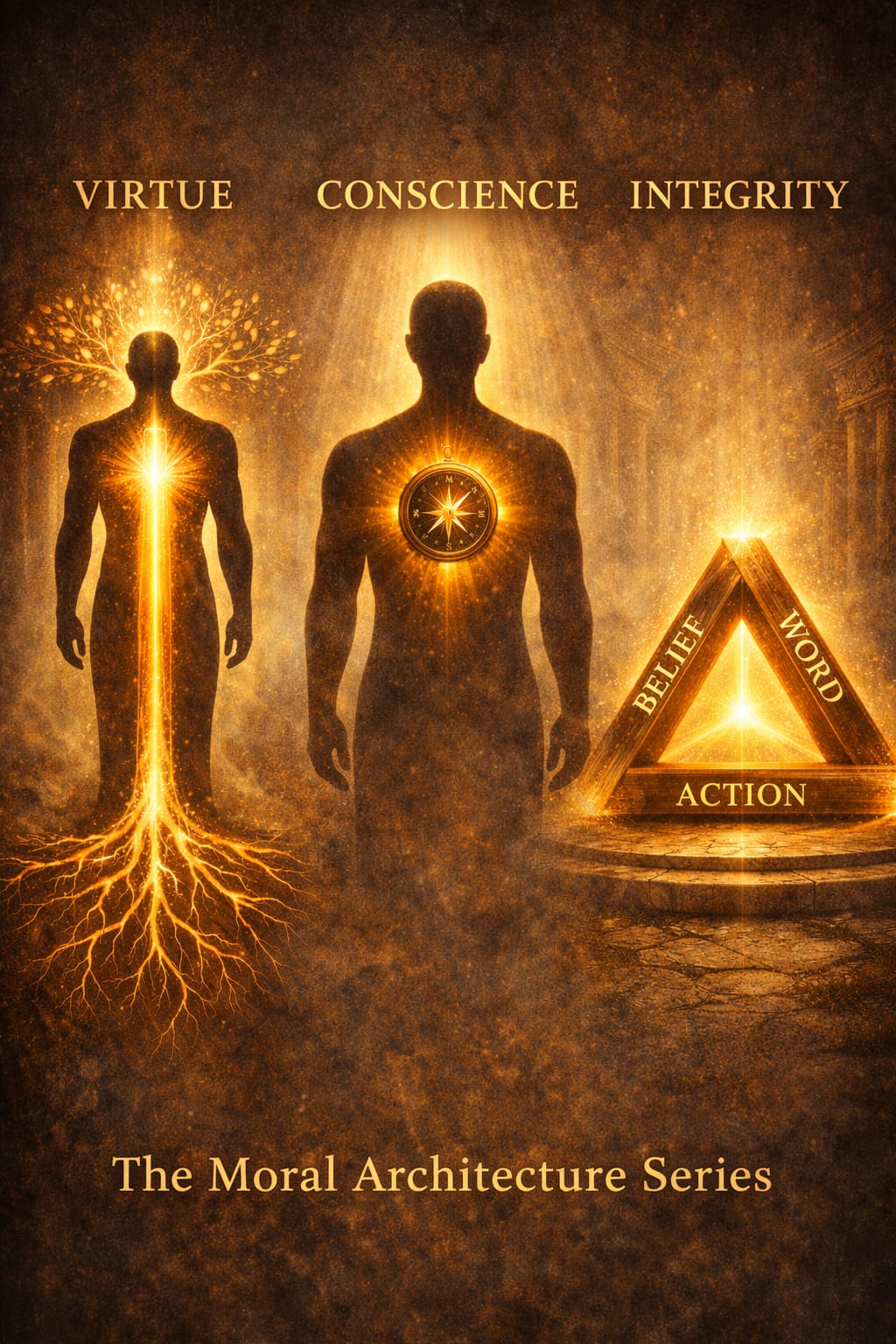
The Moral Architecture Series
Exploring the inner structures that hold human character, conscience, and trust together.

Virtue Is the Architecture of Character
The quiet structure that reveals who we are when no one is watching.
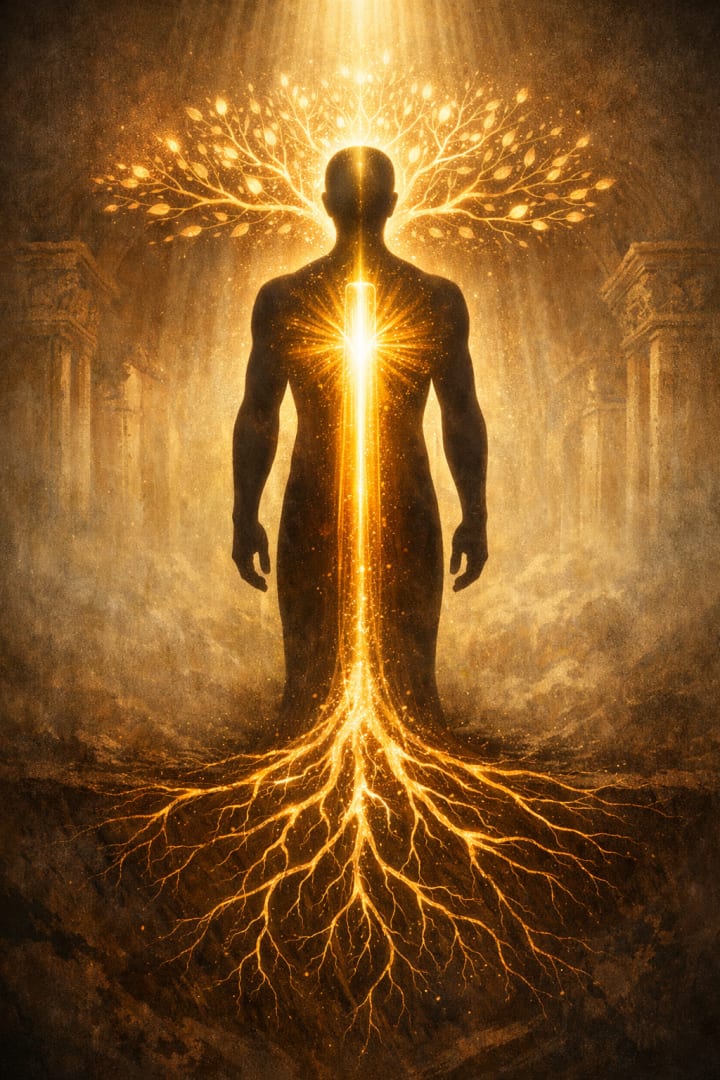
A reflection on virtue as the invisible architecture that shapes character, guiding human integrity through the choices we make when no one is watching.
Virtue rarely announces itself. It does not demand attention or applause. It does not arrive with spectacle or recognition. Virtue works quietly. It appears in the moment someone tells the truth when deception would be easier. It appears when compassion rises instead of cruelty. It appears when restraint holds firm in the presence of anger. Virtue is not built in public. It is built in private decisions. Throughout history, philosophers, teachers, and spiritual traditions have tried to define virtue. Lists were written. Codes were established. Rules were enforced. But virtue itself cannot be forced into existence. It must grow inside a person. Virtue is not perfection. A virtuous person still struggles, still stumbles, still faces the same impulses that every human being faces. The difference is not flawlessness. The difference is direction. Virtue keeps turning a person back toward what strengthens the structure of their character. Without virtue, intelligence can become manipulation. Power can become domination. Freedom can become chaos. Virtue stabilizes human ability. It is what transforms knowledge into wisdom and influence into responsibility. Many imagine virtue as rigidity. But virtue is not rigid. Virtue is alignment. When a person’s beliefs, words, and actions begin to align, something powerful begins to form. Trust. Not the loud trust that comes from reputation, but the quiet trust that grows when someone consistently lives what they claim to value. Virtue is the architecture that makes character livable. And like any structure, it is maintained through daily choices. Integrity or convenience. Honesty or distortion. Compassion or indifference. Most of these choices will never be seen by the world. But they shape the one person who must live inside the structure we are building. Ourselves. Virtue is the practice of constructing a life that your own conscience can inhabit peacefully. Not because you are perfect. But because you keep choosing the kind of person you are becoming.
Conscience Is the Architecture of the Soul
The inner signal that guides us back to alignment.

A reflection on conscience as the internal architecture that guides human beings toward truth, responsibility, and moral awareness.
Before laws existed, there was conscience. Before institutions attempted to regulate behavior, something quieter already lived inside the human being. A signal. A sense. A knowing. Conscience is the inner instrument that helps us detect alignment and misalignment within ourselves. It does not shout. It whispers. Sometimes it arrives as discomfort after a choice that did not match our values. Sometimes it appears as a quiet resistance when we are asked to betray what we know is right. Conscience is not punishment. It is guidance. It is the inner architecture that keeps the soul oriented toward truth. Without conscience, intelligence becomes dangerous. A person can rationalize anything if the inner signal that says “this is wrong” becomes muted. History has shown this many times. Entire systems can function efficiently while losing their moral compass. Conscience is what interrupts that drift. It reminds us that capability without responsibility becomes harm. Yet conscience requires cultivation. If a person repeatedly ignores it, the signal weakens. What once felt wrong begins to feel normal But when conscience is honored, something powerful develops. Integrity. Conscience is not there to condemn us. It exists to help us return. Return to truth. Return to responsibility. Return to the deeper alignment that allows the soul to remain intact. It is the architecture that protects our humanity.
Integrity Is the Architecture of Trust
The structural alignment between what we believe, say, and do.

A reflection on integrity as the foundational architecture that allows trust to exist within relationships, communities, and civilizations.
Trust is one of the most powerful forces that holds human life together. But trust does not appear out of nowhere. It is built. And the foundation beneath it is integrity. Integrity means wholeness. It is the condition that exists when a person’s beliefs, words, and actions begin to align. Without that alignment, trust cannot survive. A person may speak beautifully about values, but if their actions contradict those values, trust slowly erodes. Integrity removes that fracture. It creates continuity between what is claimed and what is lived. This continuity allows others to feel safe relying on someone. Not because the person is perfect. But because their behavior is predictable in the best possible way. Integrity stabilizes relationships. It stabilizes leadership. It stabilizes communities. Without integrity, promises become meaningless. Words lose weight. Commitments dissolve into performance. Integrity restores weight to what we say. It turns words into commitments and commitments into structures that others can stand on. That is why integrity is the architecture of trust. Without it, trust collapses. With it, trust becomes one of the most powerful forces capable of sustaining human cooperation across time.
Author Note Virtue, conscience, and integrity are not decorations of character. They are its architecture. They are the structures that allow a human life to remain aligned from the inside out.
— Flower InBloom 🌸
About the Creator
Flower InBloom
I write from lived truth, where healing meets awareness and spirituality stays grounded in real life. These words are an offering, not instruction — a mirror for those returning to themselves.
— Flower InBloom
Keep reading
More stories from Flower InBloom and writers in Humans and other communities.
The Hidden Architecture of Human Life
Trust Is the Architecture of Time. Why Trust Is the Structure That Allows Love to Endure A reflection on how trust functions as the structural framework that allows relationships, communities, and civilizations to remain stable across time.
By Flower InBlooma day ago in Humans
Falling Between Every System
Modern social systems are often described as safety nets. Employment law protects workers. Healthcare programs provide treatment. Disability benefits replace lost income. Unemployment insurance bridges job loss. Each system is presented as a safeguard designed to catch people when life disrupts their ability to function normally. Yet for many people living with disability, chronic illness, or injury, the lived experience is the opposite. Rather than forming a net, these systems stack vertically, each with its own eligibility rules, thresholds, and assumptions. Instead of catching the fall, they create gaps. People do not slip through because they failed to try. They fall because the systems were never designed to align.
By Peter Thwing - Host of the FST Podcast7 days ago in Humans



Comments
There are no comments for this story
Be the first to respond and start the conversation.