
How Content Creators Can Save Time With Voice Automation Tools
Learn how conteent creators can leverage automation tools to save time.
Is recording, editing, re-recording, and fixing small voice mistakes in your content consuming too much of your time?
Well, the creator economy is estimated to reach half a trillion by 2027. As a result, there will be tougher competition, more pressure to stay consistent, and a much higher volume of content being published.
But what if you could create the same quantity of content in half the time? That’s where voice automation tools become significant.
This article examines what voice automation tools are, the types, their purpose, best practices, and how to choose the right voice automation tool.
What Are Voice Automation Tools?
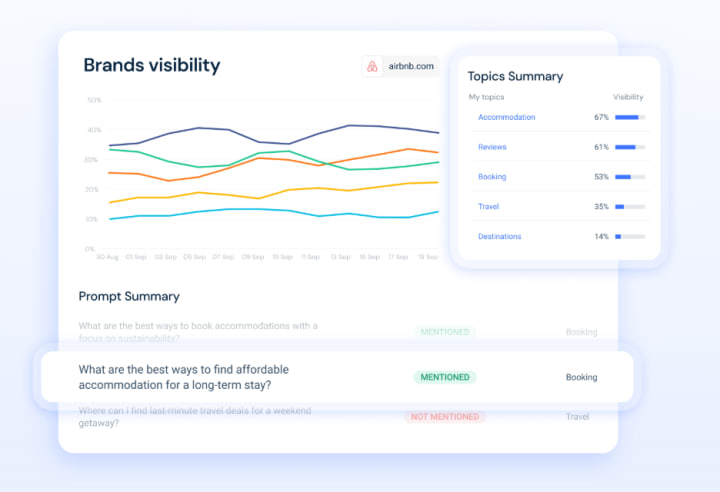
A voice automation tool is a software application developed using AI technology. These tools convert text into a natural-sounding voice. You can create personalized voiceovers with scripts.
Generative AI tools power modern voice automation platforms. To create voiceovers that sound human, these systems analyze context, emotion, pacing, and sentence structure. Generative AI tools save hours of manual recording while preserving professional quality for producers of faceless YouTube content, storytelling podcasts, and instructional videos. You edit the text, and the AI takes care of delivery.
(Image Source)
You don’t need to read the script and record it repeatedly to "get the tone right." AI efficiently generates audio through these voice automation tools.
Types of Voice Automation Tools
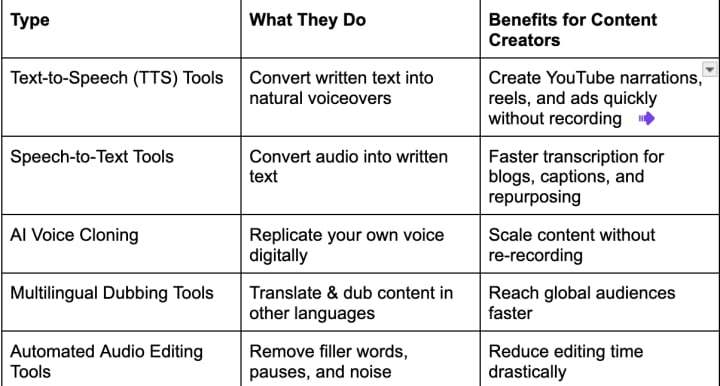
Time-Saving Applications of Voice Automation Tools in Content Creation
Let’s make this practical.
1. Faster YouTube Production
If you create educational or faceless YouTube videos, recording voiceovers can take 2–3 hours for a 10-minute script.
With automation tools, you generate clean and professional narration in minutes. No re-takes. No throat strain. No background noise drama.
You can focus more on storytelling and strategy.
2. Repurposing Content Across Platforms
You wrote a blog. Now what?
Instead of recording a podcast version manually, you can turn that article into audio instantly. That means:
- A blog can be converted to a podcast
- Or the blog can be converted into small snippets of Instagram reel narration
- Or it can be converted to a LinkedIn audio post
One idea becomes multiple pieces of content.
Creators who publish consistently often talk about building a steady stream of content across formats. If you’re exploring topics under communities like technology or entrepreneurship on Vocal, automation can help you maintain consistency without burnout.
3. Scaling Online Courses
Creating an online course traditionally requires hours of recording modules. And updating a lesson used to take a lot of time.
The process without automation was to re-record everything. But with automation, you just need to edit the script and regenerate the audio.
That flexibility saves enormous time.
4. Faster Hiring & Delegation
Here’s something most creators don’t think about: voice automation also simplifies team workflows.
As your content grows, so does your team. Whether you’re onboarding editors, scriptwriters, or video producers, using voice automation alongside the best tools for hiring streamlines delegation. You can generate consistent sample narrations, define tone expectations clearly, and reduce revision cycles.
Instead of spending hours explaining your brand voice to every new freelancer, you create a scalable system. Automation saves production time and simplifies team expansion.
Best Practices for Effective Implementation of Voice Automation Tools
Automation is powerful but only when used strategically. Here’s how to do it right:
1. Start With a Strong Script
AI tools amplify what you give them. If your script is not good, then your voiceover won’t be good. But if your script is engaging, clear, and structured, the voice output will be great. It will sound natural and authentic.
Therefore, produce high-quality scripts. Use storytelling and rhythm. Write how people speak.
2. Choose the Right Tone
Most advanced generative AI tools allow tone customization: professional, friendly, energetic, calm.
Match tone to platform:
- Calm for meditation content
- Energetic for YouTube
- Professional for LinkedIn
- Don’t use one voice for everything.
3. Blend Human + AI
Automation doesn’t mean removing personality.
You can combine AI narration with personal commentary. Many creators publish reflective essays on platforms like Vocal’s self-improvement and personal growth communities, where an authentic tone matters.
Use AI to handle structure while adding your human touch for emotional connection.
4. Don’t Over-Automate
Keep your brand voice consistent. Test audience feedback and monitor engagement. Don’t automate everything. Ensuring the quality of your content is necessary to maintain the trust of your audience.
Automation helps save time. And the time saved is worthy when the quality is not compromised.
How to Choose the Right Voice Automation Tool
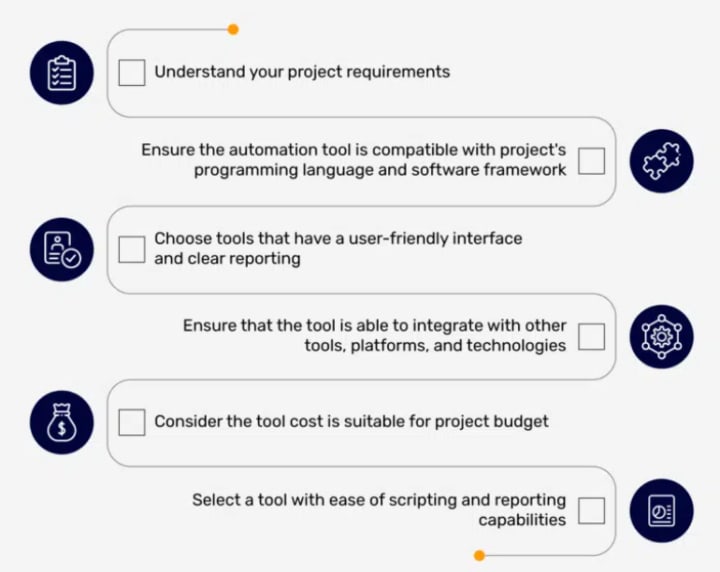
The “best” AI voice automation tool from the perspective of a content creator is the one that fits seamlessly into their workflow.
Before you subscribe to any tool, think about this:
1. What Type of Content Do You Create Most?
Your primary format should guide your decision.
- Are you producing faceless YouTube documentaries that require cinematic narration?
- Building structured educational courses that need clarity and consistency?
- Launching a podcast that depends on emotional tone?
- Or creating short-form content that demands energy and punch?
Different tools are built to produce different results. Some are best for long-form storytelling, and others might be good for short social media clips.
2. How Natural Does the Voice Sound?
This is non-negotiable.
Spend time listening to real samples. Generate a test script and hear how it handles pauses, complex sentences, and emotional shifts.
- Does it sound robotic?
- Does it mispronounce common words?
- Does it handle storytelling well?
Your audience can detect artificial delivery within seconds. If the voice sounds like an AI or robot, then your engagement will drop.
3. Do You Need Voice Cloning?
If your brand identity is tied to your voice, cloning technology can be a powerful scaling tool. It enables you to maintain consistency while producing more content without constant recording sessions.
However, use it responsibly. Test accuracy. Check tone replication. Ensure that the voice that is generated matches your voice.
Your audience trusts your voice, and trust is difficult to rebuild once broken.
4. Is It Simple Enough to Use Daily?
The best automation tool is one you’ll actually use.
You shouldn’t need technical training to generate a voiceover. Look for:
- Clean, intuitive dashboards
- Fast rendering speeds
- Multiple export formats
- Easy script editing
If generating a three-minute narration takes 30 complicated steps, there’s no meaning. The reason is that you will end up spending the same amount of time that you would spend when recording an audio by yourself.
5. Does It Support Your Long-Term Growth?
Think beyond the present content.
- Are you planning to publish consistently across platforms?
- Repurpose blog posts into audio?
- Expand into multilingual content?
- Scale your team as your audience grows?
Your tool should align with your broader content strategy.
The right voice automation platform doesn’t just save you time this week. It supports your publishing consistency, simplifies collaboration, and grows with your ambitions.
Choose for sustainability.
Create Faster, Publish Smarter, & Grow Consistently
Tools for voice automation aid in reducing friction. Reducing the amount of time spent on recording, editing, and re-recording gives you freedom. Freedom to work on better scripts, investigate better ideas, and establish a deeper connection with your audience.
The people who will grow are the ones who are consistent. And, when your production process is successful, it will be easier to stay consistent.
Start applying these methods to your next piece of content, optimize your process, and scale your content creation journey to a wider audience.
Explore Vocal for reaching a wide range of audiences by sharing your stories and supporting creators.
About the Creator
Keep reading
More stories from Dinesh Crest and writers in Journal and other communities.
I Tried Simplifying My Image Editing Workflow — Here's What Changed
I used to spend too much time editing images. Re-doing the same adjustments over and over, and constantly second-guessing my edits, what should've taken 10 minutes would somehow take one hour for me.
By Dinesh Crest21 days ago in Photography




Comments
There are no comments for this story
Be the first to respond and start the conversation.