
How Escalating Iran Conflict Is Driving Up Oil and Gas Prices – A Visual Guide
From the Strait of Hormuz to your local gas station, here’s how rising tensions are reshaping global energy markets
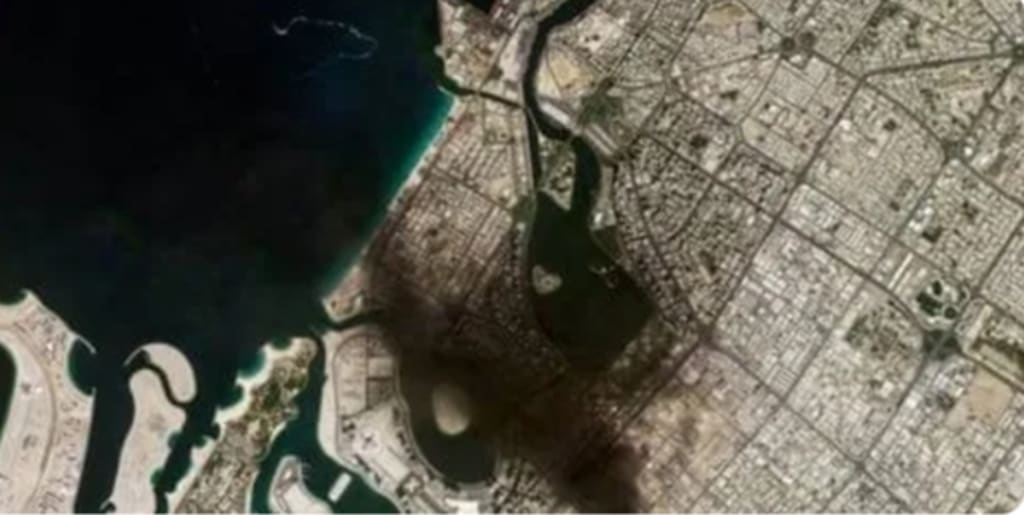
When conflict intensifies in the Middle East, energy markets react almost instantly.
The latest escalation involving Iran has triggered sharp increases in oil and gas prices, sending ripples through global markets and raising concerns about inflation, supply security, and household budgets. Even before any full-scale disruption has occurred, traders are pricing in risk — and consumers are starting to feel it.
Let’s break it down step by step.
Step 1: Why Iran Matters to Global Energy
Iran sits along one of the most strategically important waterways in the world: the Strait of Hormuz.
Here’s why that matters:
Roughly 20% of the world’s oil supply passes through this narrow channel.
Major exporters like Saudi Arabia, the UAE, Kuwait, Iraq, and Qatar rely on it.
Liquefied natural gas (LNG) shipments also flow through the strait.
When military tensions rise near this chokepoint, markets worry that shipping could be delayed, restricted, or even halted.
Oil doesn’t need to stop flowing for prices to rise — the mere threat is often enough.
Step 2: Markets React to Risk — Not Just Reality
Energy prices are driven by expectations as much as physical supply.
When news broke of escalating strikes involving Iran, traders quickly built a “risk premium” into crude oil prices. That’s a financial cushion added to reflect potential supply disruptions.
What we saw:
Brent crude jumped sharply in early trading.
U.S. West Texas Intermediate (WTI) followed suit.
Energy stocks surged.
Shipping insurance rates climbed.
Even if every tanker continues moving, the possibility of disruption pushes prices upward.
Markets don’t wait for shortages — they anticipate them.
Step 3: Shipping and Insurance Costs Climb
Conflict doesn’t just affect oil supply — it affects logistics.
Shipping companies operating near Iran face:
Higher war-risk insurance premiums
Increased naval patrols
Potential rerouting of vessels
Delays at ports
These added costs are passed along the supply chain.
That means refiners pay more. Distributors pay more. Eventually, consumers pay more.
It’s a cascading effect.
Step 4: Gas Prices Follow Oil Prices
Crude oil is the raw material. Gasoline is the finished product.
When oil prices rise:
Refineries pay more for crude.
Wholesale gasoline prices increase.
Retail stations adjust pump prices.
This process can happen surprisingly quickly — sometimes within days.
For drivers, it shows up as higher prices per gallon or liter. For trucking companies, airlines, and delivery services, it means higher operating costs.
And those higher operating costs often translate into higher prices for goods.
Step 5: Natural Gas and Global Energy Markets
It’s not just oil.
The Middle East is also a key supplier of liquefied natural gas (LNG), particularly to Europe and Asia. If shipping lanes become unstable, LNG prices can spike as well.
Higher natural gas prices can affect:
Electricity generation
Heating costs
Industrial production
Energy markets are interconnected. A shock in one area often spreads.
Step 6: Inflation Pressures Build
Energy prices are deeply embedded in the global economy.
When oil rises significantly:
Transportation becomes more expensive.
Food prices can increase due to shipping costs.
Manufacturing inputs rise.
Airlines raise ticket prices.
Inflation pressures intensify.
Central banks watch energy markets closely because sustained price spikes can complicate interest rate decisions.
In short: oil prices don’t just affect drivers — they influence entire economies.
Step 7: Could Oil Hit $100 Again?
Analysts are closely watching two key variables:
Does the Strait of Hormuz remain open and stable?
Does the conflict expand regionally?
If tanker traffic slows significantly or supply is physically disrupted, prices could surge further. Some market watchers warn that prolonged instability could push crude toward or beyond the $100 per barrel mark.
However, if tensions ease and shipping normalizes, the risk premium could fade — bringing prices back down.
Energy markets are highly reactive.
Step 8: Why Markets React So Fast
Oil is one of the most globally traded commodities in the world.
It is priced in real time, influenced by:
Geopolitical headlines
Military developments
Satellite data tracking tankers
Government statements
OPEC production signals
The moment news breaks of conflict near a major energy hub, automated trading systems and investors respond.
Speed matters — and energy markets move fast.
Step 9: What This Means for You
If tensions continue:
Expect volatility at the pump.
Airlines may adjust ticket pricing.
Shipping and logistics costs may fluctuate.
Inflation data could reflect energy-driven increases.
If tensions de-escalate:
Prices could stabilize.
Insurance premiums could fall.
Shipping routes could normalize.
The trajectory of the conflict will largely determine the direction of energy costs.
The Bigger Picture
The current surge in oil and gas prices is not solely about barrels in storage. It’s about confidence.
Markets rely on predictability. Conflict introduces uncertainty. And uncertainty carries a price.
The Strait of Hormuz remains one of the world’s most vulnerable energy chokepoints. As long as military escalation continues near that corridor, traders will build risk into pricing models.
The result? Higher costs — at least temporarily — across global markets.
Final Thoughts
The connection between war and energy prices is immediate and powerful.
Rising tensions → Risk premium
Risk premium → Higher crude prices
Higher crude → Higher gas and diesel
Higher fuel → Broader inflation
It’s a chain reaction.
Whether this spike proves temporary or sustained depends on how the Iran conflict evolves in the coming weeks. For now, energy markets remain on edge — and so do consumers.
If you’d like, I can also create a simplified infographic-style breakdown or a timeline showing how oil prices have moved since the conflict began.




Comments
There are no comments for this story
Be the first to respond and start the conversation.