
How to Map Cambodia’s Culinary Regions Through Taste
From Coast to Cardamoms
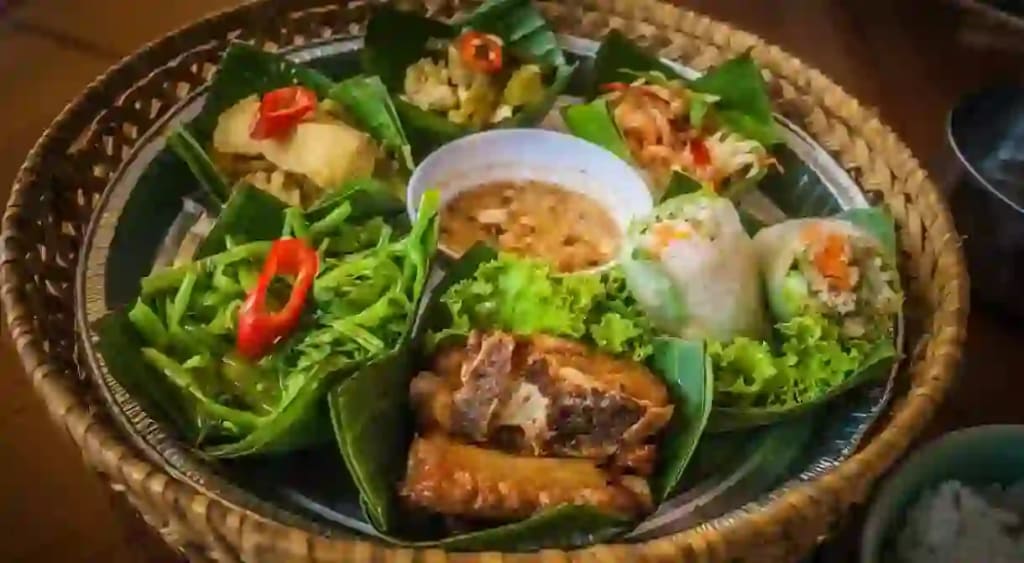
Cambodia is a kingdom where geography dictates the menu. From the prehistoric waters of the Tonle Sap to the mist-covered Cardamom Mountains, the landscape serves as a pantry. To map Cambodia’s culinary regions is to understand a history of survival, royalty, and trade. Each province offers a distinct profile that transforms simple ingredients into a complex sensory experience. Let’s dive into the six regions that define the soul of Khmer taste.
The Fermented Soul of the Tonle Sap
The Great Lake is more than just water; it is a seasonal miracle that provides the world’s most productive freshwater fishery. In this central heartland, the flavour is defined by Prahok. This crushed, salted, and fermented fish paste is often called "Cambodian cheese". While its pungent aroma might surprise newcomers, it provides a deep, savoury backbone to almost every dish. Here, the national dish, Fish Amok, reaches its peak. Unlike the watery curries of neighbouring countries, the lakeside version is a thick, silken mousse steamed inside banana leaves to preserve the delicate sweetness of river fish.
The Peppery Heat of the Southern Coast
Travelling south to the Gulf of Thailand, the humidity carries the scent of the sea and spice. This region is the home of Kampot Pepper, the first Cambodian product to receive a "Protected Geographical Indication" status, much like Champagne in France. The coastal taste is a marriage of fire and brine. In Kep, the signature dish is stir-fried crab with green peppercorns. The peppercorns are plucked fresh from the vine, offering a floral, herbal heat that never overpowers the sweet blue swimmer crab. It is a taste of the ocean, sharpened by the soil of the nearby hills.
Foraged Wisdom of the Cardamom Mountains
The rugged southwest is a world of jungle and mist. The culinary tradition here is rooted in the "forest pantry". Unlike the rice-heavy plains, mountain cooking relies on wild-foraged roots, bamboo shoots, and wild cardamom. The flavours are earthy and bitter, reflecting a diet of medicinal herbs and forest game. Locals often slow-cook stews over wood fires, using "Kroeung", a hand-pounded spice paste, to bridge the gap between bitter forest greens and rich, fatty meats. It is a primitive, honest style of eating that connects the diner directly to the ancient wilderness.
The Royal Refinement of Siem Reap
Siem Reap acts as a bridge between the ancient Angkorian past and a sophisticated future. Historically, the area was influenced by the Khmer Royal Court, leading to dishes that are visually stunning and balanced in flavour. Today, the city boasts some of the top restaurants in Siem Reap, where chefs have revived lost palace recipes. For instance, FCC Angkor Siem Reap serves as a perfect example of how colonial history blends with local tradition, offering classic dishes in a space that once housed the French governor. This region emphasises texture, using crunchy lotus roots and aromatic herbs to create salads that are as refreshing as they are complex.
The Fruit-Laden Banks of the Mekong
Where the Mekong River spills into the eastern plains, the soil is incredibly fertile. This is the fruit basket of Cambodia. The taste here is bright and sweet, featuring massive pomelos from Kratie and the legendary durian of Kampot and Memot. The cuisine often uses fruit as a savoury component. You will find green mango or papaya shredded into lime-soaked salads with smoked fish. The abundance of the riverbanks means the food is lighter, focusing on the "Nhoam" style: crunchy, herb-packed salads that provide a cooling relief from the tropical sun.
The Urban Melting Pot of Phnom Penh
Finally, the capital city is where all these regional maps collide. Phnom Penh’s taste is one of high energy and international influence. Here, the French baguette (Nom Pang) meets Chinese-style noodle soups (Kuy Teav). It is the only place where you can find Red Tree Ants with Beef, a dish where the natural formic acid of the ants provides a citrussy zing alongside refined French-Khmer fusion. The city’s food scene represents a resilient nation that takes the best of its provinces and mixes them with global flair.
About the Creator
Keep reading
More stories from Jeewanthi Armstrong and writers in Journal and other communities.
How to Explore the Lan Xang Kingdom in Laos for History Lovers
For history lovers, Laos is a goldmine. Its identity is rooted in the Lan Xang Kingdom, famously known as the "Land of a Million Elephants." This powerful empire once stretched across Southeast Asia, leaving behind a legacy of golden temples and deep spirituality. If you want to walk through the footprints of ancient kings and monks, here is how you can explore the heart of Lan Xang today.
By Jeewanthi Armstrongabout 10 hours ago in Journal
This Is What I Do When People Throw Rocks At Me
Rocks have been thrown at me for a greater part of my life. Some have been small and missed hitting me. When people don't get a reaction from me, they throw bigger rocks with a better aim. Many have been hurled at me with precision over the years. For a long time, I thought my only options were to dodge them or be crushed by them.
By Margaret Minnicks5 days ago in Confessions


Comments
There are no comments for this story
Be the first to respond and start the conversation.