
How to Track Your Container Online for Accurate Updates
A Step-by-Step Guide to Real-Time Shipping, Cargo, and Freight Tracking
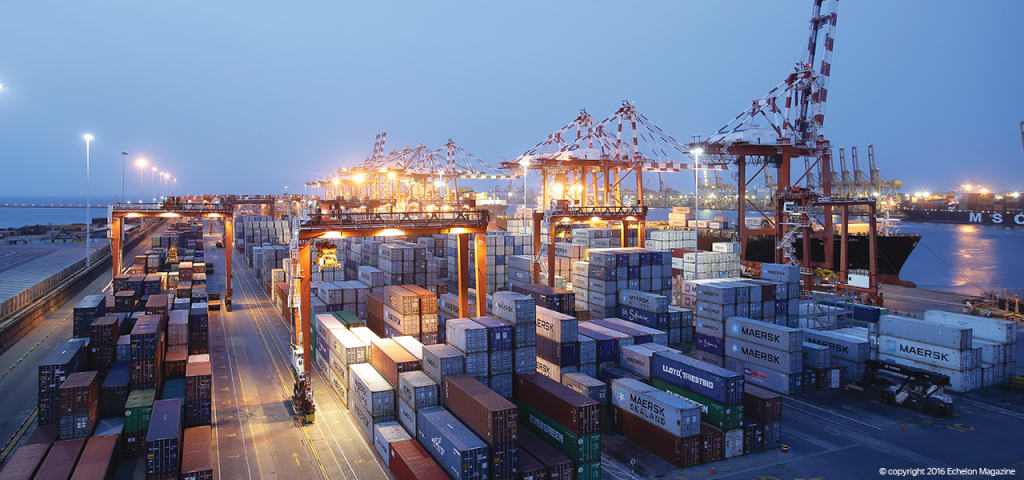
Container tracking now plays an important role in day-to-day shipping operations, helping importers, exporters, and logistics teams understand where their cargo stands at different stages of the journey. As containers move through ports, terminals, and clearance processes, online tracking tools make it easier to reduce guesswork and plan next steps with greater confidence. Knowing how to use these systems correctly ensures updates are read accurately and delays are managed more effectively.
Understand What Information Is Needed Before Tracking
Before accessing any online tracking platform, the correct shipment details must be available. The most reliable identifier is the container number, which follows an international format consisting of four letters and seven numbers. This number remains unchanged throughout the journey and is recognised across shipping lines, ports, and terminal systems.
Some platforms allow searches using booking or bill of lading numbers, but in practice, container numbers tend to give clearer results once the shipment is at port. When the wrong details are entered, updates can be incomplete or unclear, which is why it helps to double-check the paperwork before tracking.
It is equally important to understand the stage of the shipment. Containers still at sea are best tracked using shipping line systems, while containers that have arrived at port are more accurately monitored through terminal-based platforms. Using the appropriate system at each stage avoids confusion and improves visibility.
Use Official Terminal-Based Tracking Tools
Once a vessel arrives at port, tracking systems managed by the terminal provide the clearest and most reliable updates. These platforms record changes only when a container reaches a confirmed stage, such as being unloaded from the vessel, moved into the yard, selected for inspection, or cleared for release.
For containers handled in Colombo, status information can be checked through terminal-based tracking systems by entering the container number, including those operated at the port by SAGT Sri Lanka. The results usually show when the container arrived, whether it has been discharged, where it is stored within the yard, and if it is ready for pickup. These updates matter most during clearance, as small delays can quickly increase storage charges and affect transport planning.
Many logistics professionals rely on Colombo container tracking platforms to assess port congestion and estimate dwell times. Careful attention should be paid to timestamps, as these indicate confirmed events rather than expected movements. Updates may not appear immediately, but they reflect verified progress within the terminal.
It also helps to understand how common status labels are used. When a container is shown as “discharged”, it means it has been unloaded from the vessel but may still be waiting on inspections or document checks. A “gate-out” status, on the other hand, confirms that the container has physically left the terminal, which is separate from paperwork or customs clearance.
Interpret Updates Carefully and Avoid Common Errors
Online tracking systems are only useful when the information is read in the right context. A frequent misunderstanding is expecting live movement updates, when most platforms only refresh once a container reaches a confirmed checkpoint. Movement between locations is not usually recorded in real time.
Delays are also often blamed on system issues, when they are more commonly linked to operational reasons. Progress can slow for a range of practical reasons, including customs inspections, missing paperwork, congestion at the port, or changes to vessel schedules. Even when the system does not explain the cause in detail, the status shown is usually reliable.
Using the wrong tracking platform at the wrong time can also lead to confusion. Shipping line systems are most useful while the container is in transit at sea, whereas terminal platforms provide clearer information after arrival. Switching between systems as the shipment progresses improves accuracy.
Rather than checking tracking tools continuously, it is more effective to review updates at key stages. Checking after vessel arrival, customs submission, or anticipated discharge times provides meaningful insights without unnecessary repetition.
Integrate Tracking into a Broader Logistics Process
Container tracking works best when it is treated as part of the wider logistics process, not as a task done in isolation. Reliable updates make it easier to plan transport, control costs, and keep everyone involved informed with realistic timelines. They also help reduce idle time, prevent missed collections, and improve overall operational efficiency.
By understanding how tracking systems function, selecting the correct platform at each stage, and interpreting updates with care, businesses can minimise disruption and maintain smoother cargo flows. As port and terminal systems continue to evolve, online container tracking remains an essential tool for managing shipments with confidence and precision.
About the Creator
Keep reading
More stories from Jeewanthi Armstrong and writers in Journal and other communities.
Heritage in Motion and Highland Calm
Planning a trip to Kandy is not about cramming temples, viewpoints, and performances into a frantic schedule. Kandy is layered, ceremonial, and quietly dramatic. It rewards travellers who approach it with intention rather than urgency. The city sits at the intersection of living culture and highland scenery, and the magic lies in allowing both to unfold at a measured pace. A well-planned trip balances structure with flexibility, leaving room for ritual, nature, and unplanned moments that feel distinctly Kandy.
By Jeewanthi Armstrongabout 7 hours ago in Journal
App Retention Strategies Using Predictive Analytics 2026
Retention is no longer a reactive game. You cannot just send "we miss you" emails. This often happens after a user uninstalls. In 2026, successful platforms treat churn differently. They treat it as a solvable data problem.
By Del Rosario7 days ago in Journal




Comments
There are no comments for this story
Be the first to respond and start the conversation.