
Iran war hits refined fuels harder than crude and importers need to act
Disruptions in global supply chains expose vulnerabilities in gasoline, diesel, and jet fuel markets as the Strait of Hormuz crisis deepens

The ongoing war involving Iran has sent shockwaves through global energy markets, but the most immediate damage is not being felt in crude oil alone. Instead, refined fuels—such as gasoline, diesel, and jet fuel—are experiencing even sharper disruptions, creating a new challenge for countries that rely heavily on imported energy.
As tensions escalate and shipping routes in the Persian Gulf face disruption, analysts warn that governments and energy importers must take swift action to secure fuel supplies. Failure to respond quickly could lead to shortages, rising prices, and wider economic consequences.
Refined fuels facing the biggest shock
While crude oil often receives the most attention in energy markets, refined fuels are the products that directly power transportation, industry, and daily life. Diesel moves trucks and machinery, gasoline fuels cars, and jet fuel keeps aviation networks running.
The current conflict has disrupted both crude shipments and the transportation of refined products, but refined fuels have been hit particularly hard.
Prices for key fuel benchmarks have surged dramatically since the conflict intensified. Singapore gasoil, a key diesel benchmark in Asia, has risen by about 57 percent, while jet fuel prices have jumped by more than 100 percent in recent weeks.
Such increases reflect a fundamental imbalance: refineries and fuel markets are struggling to keep up with sudden disruptions in supply.
The Strait of Hormuz bottleneck
Much of the current crisis stems from instability around the Strait of Hormuz, one of the most important maritime chokepoints in the global energy system.
The narrow waterway normally carries roughly 20 percent of the world’s seaborne oil shipments, including both crude and refined products.
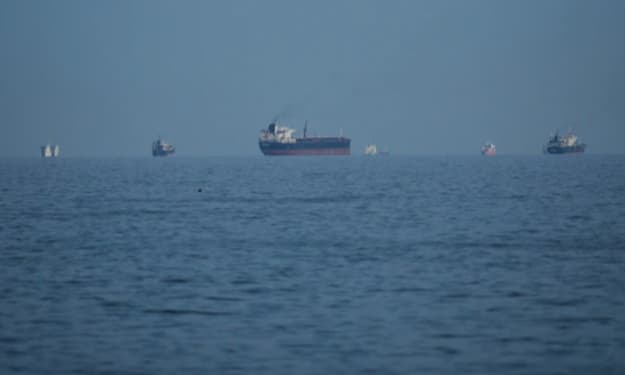
However, the ongoing conflict and security risks have severely reduced tanker traffic through the region, effectively choking off a major portion of global fuel supply.
With ships reluctant to transit the area due to missile attacks, mines, and insurance costs, millions of barrels of oil and fuel products are stranded or delayed.
This disruption has created immediate shortages in markets that rely on Gulf exports.
Importers most at risk
Countries that depend heavily on imported fuel are now facing the greatest risk.
Several Asian economies are particularly exposed. Australia imports roughly 900,000 barrels of fuel per day—much of it diesel—while Indonesia relies on around 600,000 barrels per day of gasoline imports.
These fuels are essential for transportation, agriculture, mining, and electricity generation.
Yet many importing countries have limited fuel reserves. Australia, for example, reportedly holds only about 30 days of fuel supply in storage.
If supply disruptions continue for an extended period, such countries could face difficult choices: ration fuel, subsidize prices, or scramble for alternative suppliers.
Export restrictions tightening supply
The situation is being further complicated by policy responses from major refining nations.
As fuel markets tighten, some countries are prioritizing domestic energy security over exports. China, one of the world’s largest refining centers, recently imposed restrictions on fuel exports in order to ensure adequate domestic supply.
When large exporters reduce shipments abroad, the effect is amplified across global markets.
Importers suddenly face fewer available suppliers, forcing them to compete for limited cargoes and driving prices even higher.
The result is a cascading effect that spreads the fuel shortage beyond the immediate conflict zone.
Economic ripple effects
The surge in refined fuel prices has consequences far beyond the energy sector.
Diesel is the backbone of global logistics, powering trucks, ships, trains, and heavy machinery. When diesel prices rise sharply, transportation costs increase across the economy.
This often translates into higher prices for food, consumer goods, and industrial materials.
Jet fuel spikes can also disrupt aviation. Airlines may reduce flights, raise ticket prices, or implement fuel surcharges, affecting global travel and tourism.
Manufacturing and agriculture are similarly vulnerable, as both depend heavily on fuel for equipment, transportation, and chemical production.
Strategic reserves offer limited relief
Many governments maintain strategic petroleum reserves to cushion supply disruptions. However, these reserves are typically dominated by crude oil rather than refined fuels.
That distinction matters.
Crude oil must be processed in refineries before it can become gasoline or diesel. If refining capacity or transportation networks are disrupted, releasing crude from reserves may not immediately solve fuel shortages.
Some countries do maintain limited stockpiles of refined fuels, but these reserves are often smaller and designed for short-term emergencies.
If the conflict continues to disrupt global energy trade, those reserves could be depleted quickly.
The need for coordinated action
Energy analysts argue that governments must act proactively rather than waiting for shortages to worsen.
Several steps could help mitigate the crisis.
First, importing countries may need to diversify supply routes and secure alternative sources of fuel outside the Gulf region. This could include increased imports from the United States, Europe, or Asian refining hubs.
Second, governments may need to coordinate the release of fuel reserves to stabilize markets and prevent panic buying.
Third, policymakers could encourage temporary conservation measures—such as reduced fuel consumption or efficiency programs—to slow demand growth during the crisis.
Without such actions, the fuel shortage could escalate into a broader economic shock.
Lessons about energy security
The current crisis highlights a longstanding vulnerability in the global energy system: the heavy reliance on a few strategic chokepoints and supply chains.
Modern economies depend on refined fuels for nearly every sector, yet much of the world’s production and transportation infrastructure remains concentrated in politically volatile regions.
The Strait of Hormuz crisis has once again demonstrated how quickly geopolitical tensions can disrupt global energy markets.
For importing countries, the lesson is clear: energy security cannot rely solely on stable crude supply. It must also account for refining capacity, fuel logistics, and diversified supply networks.
A fragile fuel market
As the Iran war continues, the global fuel market remains highly volatile.
Oil prices have already climbed above $100 per barrel, reflecting fears of prolonged disruption in the Gulf.
But for many economies, the more immediate danger lies not in crude itself but in the refined fuels that keep vehicles moving, industries operating, and supply chains functioning.
If governments and energy importers fail to act quickly, shortages of gasoline, diesel, and jet fuel could become one of the most disruptive economic consequences of the conflict.
In an interconnected world where energy powers nearly every activity, the true cost of war is often measured not only on the battlefield but also at the fuel pump.
About the Creator
Author’s Advice
If you would’ve asked me 20 years ago did I know I’d become a writer and an author, I would’ve said “nope, ain’t happening”. As fate would have it I did become an author and I can honestly say I’m loving it so far. It really does feel good to be a writer. I’ve learned a lot on this journey and I feel like with even me being as new to this world as I am, there’s some wisdom I need to share with every other aspiring author.
By Joe Patterson5 days ago in Journal
Who Won the Oscars?
The 98th Academy Awards took place on March 15, 2026, at the Dolby Theatre in Hollywood, celebrating the best films released in 2025. Hosted by Conan O'Brien, the ceremony honored achievements across acting, directing, writing, and technical filmmaking categories.
By Navigating the Worldabout 15 hours ago in Journal
The Forsyth House Fire
Since 1851, Forsyth House has stood on the corner of Union Street and Gordon Street in the heart of Glasgow. Its iconic, or was... because on Sunday 8th of March, 2026, a fire broke out in a small, seemingly un-named shop in the building and tore all that history down. As I write, the rubble is still unsettled and the street is still blocked off. Central Station is quiet on the upper level, and around 30 small businesses have quite literally gone up in smoke.
By S. A. Crawford3 days ago in The Swamp



Comments
There are no comments for this story
Be the first to respond and start the conversation.