
Spike in Oil Prices Triggers Talk of an Economic Doomsday Scenario
Surging crude prices are sparking fears of a global economic slowdown, as businesses and consumers brace for higher costs and potential financial shocks.
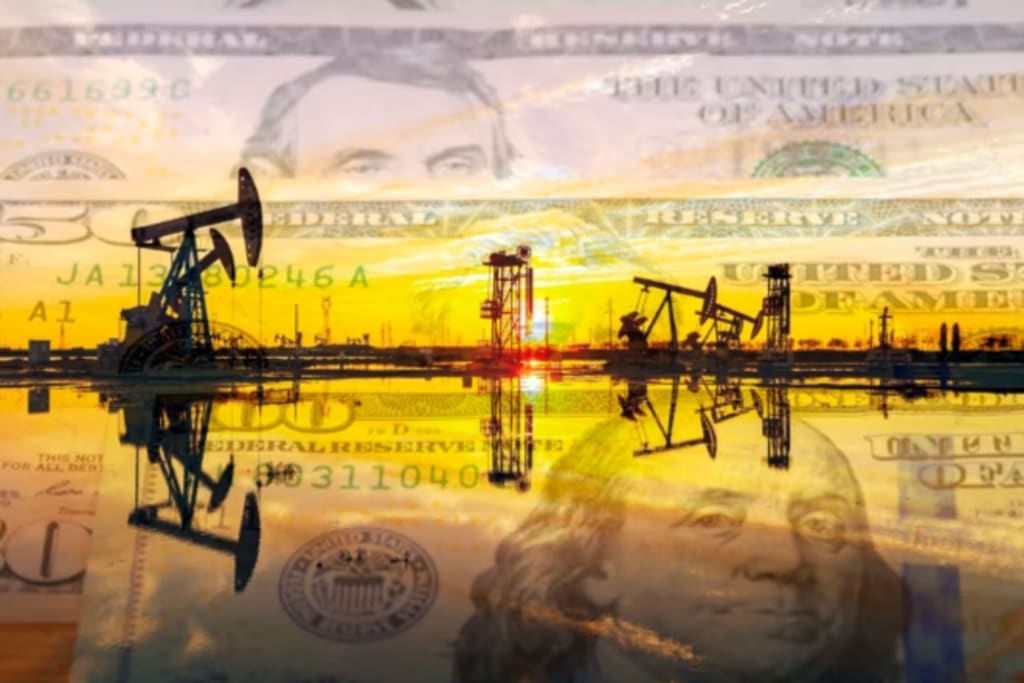
Oil Prices Surge to New Heights
Global oil markets are witnessing unprecedented volatility as prices surge past $120 per barrel, levels not seen in over a decade. Analysts cite a combination of geopolitical tensions, supply chain disruptions, and strong post-pandemic demand as primary drivers of the spike.
The sharp rise has prompted alarm among economists and policymakers, some of whom warn that a prolonged period of elevated oil costs could act as a catalyst for a broader economic crisis, potentially mirroring the energy shocks of the 1970s.
Geopolitical Tensions and Supply Constraints
Several factors have converged to drive oil prices higher. Conflicts in the Middle East, particularly tensions involving Iran and Saudi Arabia, have disrupted regional supply lines. Simultaneously, sanctions and trade restrictions on key oil-producing nations have tightened the global market, limiting the availability of crude for international buyers.
The U.S. Energy Information Administration (EIA) reports that global supply growth is struggling to keep pace with surging demand, particularly from emerging economies such as China and India, which are rapidly expanding industrial production and transportation networks.
OPEC+ nations have so far resisted calls to increase production significantly, citing the need to stabilize prices and protect revenue streams. This strategy has only intensified upward pressure on global oil costs.
Economic Implications of Rising Oil Costs
High oil prices ripple through the global economy, affecting everything from transportation costs to food prices. Businesses face higher input costs, which often get passed on to consumers, fueling inflationary pressures.
Consumers, meanwhile, encounter rising gasoline prices and higher energy bills, reducing discretionary spending. Economists warn that sustained high oil prices can slow economic growth by increasing the cost of living and squeezing corporate profit margins.
The International Monetary Fund (IMF) has noted that oil price spikes are often correlated with recessions, as energy costs directly impact both household consumption and business investment decisions.
Concerns About a Potential Economic “Doomsday”
Some analysts have begun using stark language to describe the potential consequences of prolonged oil market instability. Terms like “economic doomsday scenario” are being invoked to highlight the risks of a cascading global financial slowdown.
Key concerns include:
Inflation spiraling out of control, particularly in countries heavily dependent on oil imports.
Recessionary pressures in energy-intensive industries such as transportation, manufacturing, and chemicals.
Financial market volatility, as investors react to uncertainty and hedge against potential losses.
Strain on government budgets, especially in developing nations reliant on imported oil, potentially exacerbating fiscal deficits.
While these scenarios may appear extreme, the rapid pace of price increases has prompted central banks and financial regulators to reassess economic forecasts and potential contingency measures.
Impact on Global Supply Chains
The spike in oil prices is not only affecting consumer wallets but also disrupting global supply chains. Transportation costs for shipping goods have risen sharply, impacting international trade flows.
Industries reliant on heavy logistics, such as retail, e-commerce, and manufacturing, are particularly vulnerable. Increased fuel costs can delay deliveries, raise product prices, and reduce profit margins, creating ripple effects across multiple sectors.
Economists note that even minor disruptions in energy markets can amplify existing vulnerabilities in global supply chains, which remain fragile following the COVID-19 pandemic.
Energy Policy and Strategic Reserves
Governments worldwide are responding to the oil crisis by reconsidering energy policies and strategic reserves. The United States, for example, has released oil from its Strategic Petroleum Reserve (SPR) to stabilize prices, while European nations are exploring alternative sources and seeking to diversify energy imports.
Energy analysts stress that structural reforms, including investments in renewable energy and energy efficiency, are critical to reduce reliance on volatile oil markets. However, such measures are long-term solutions, and immediate relief for consumers and businesses remains a pressing challenge.
Market Reactions and Investor Behavior
Financial markets have reacted sharply to the oil price surge. Stock indices in energy-dependent sectors have experienced heightened volatility, while commodity traders are scrambling to hedge positions against further price swings.
Gold and other “safe-haven” assets have seen increased demand as investors seek protection against economic uncertainty. The bond market is also experiencing shifts, as rising inflation expectations prompt central banks to consider interest rate adjustments.
Some market strategists warn that continued oil market instability could trigger broader asset price corrections, particularly in sectors sensitive to energy costs.
Long-Term Outlook and Mitigation Strategies
While short-term market responses dominate headlines, experts are focusing on long-term strategies to mitigate the impact of oil price shocks. These include:
Expanding renewable energy adoption, such as solar, wind, and hydroelectric power.
Improving energy efficiency in transportation, manufacturing, and buildings.
Diversifying energy import sources to reduce dependency on volatile regions.
Strengthening fiscal and monetary policies to cushion economies against price shocks.
Central banks and governments are closely monitoring inflation metrics and may adjust policies to prevent a prolonged economic downturn. Meanwhile, businesses are evaluating cost-saving measures, hedging strategies, and alternative energy options to navigate the uncertainty.
Conclusion
The recent spike in oil prices has brought renewed focus on the vulnerabilities of the global economy. With prices reaching levels not seen in over a decade, the risks of inflation, recession, and supply chain disruptions are intensifying.
While the term “economic doomsday” may seem hyperbolic, it reflects genuine concerns among economists, policymakers, and investors about the cascading consequences of sustained energy volatility.
As governments, central banks, and businesses respond to these challenges, the coming months will be critical in determining whether global economies can absorb the shock or face a deeper, prolonged downturn.
Key Takeaways:
Global oil prices have surged past $120 per barrel, driven by geopolitical tensions and supply constraints.
Rising costs are increasing inflationary pressures and threatening economic growth worldwide.
Consumers and businesses face higher energy and transportation expenses, straining budgets and profitability.
Governments are releasing strategic reserves and considering energy policy reforms to stabilize markets.
Analysts warn that prolonged oil price spikes could trigger a “doom scenario” with broad economic repercussions.
The current energy crisis underscores the urgent need for diversified energy strategies and resilient economic planning to protect against volatile global markets.




Comments
There are no comments for this story
Be the first to respond and start the conversation.