tv review
Television reviews on workplace, corporate, and business driven films.
The Empty Locker
I didn’t know his name at first. I only knew the silence. It was a Tuesday in October. The high school hallway buzzed with its usual chaos—backpacks slamming, laughter echoing, sneakers squeaking on linoleum. But one locker stayed shut. No one leaned against it. No one dropped off homework. Just a quiet space where a boy should have been.
By KAMRAN AHMADa day ago in Journal
The Suitcase in the Hallway
I didn’t pack lightly. The suitcase sat by the door for three days—half-full, then overflowing, then emptied again. I kept adding things I thought I’d need: my favorite coffee mug, the photo from last summer, the sweater that still smelled like home. Then I’d take them out, convinced they were too heavy, too sentimental, too much.
By KAMRAN AHMADa day ago in Journal
The Couple We All Watched Grow Up
I didn’t know them. But I felt like I did. For over a decade, they were part of my life—not as celebrities, but as characters in a story I watched unfold in real time. I saw them at seventeen, awkward and bright-eyed on red carpets, fumbling through interviews, hiding smiles behind their hands. I saw them navigate fame, heartbreak, and the slow, steady work of becoming adults—all while the world watched, judged, and claimed ownership of their journey.
By KAMRAN AHMADa day ago in Journal
SpongeBob Review
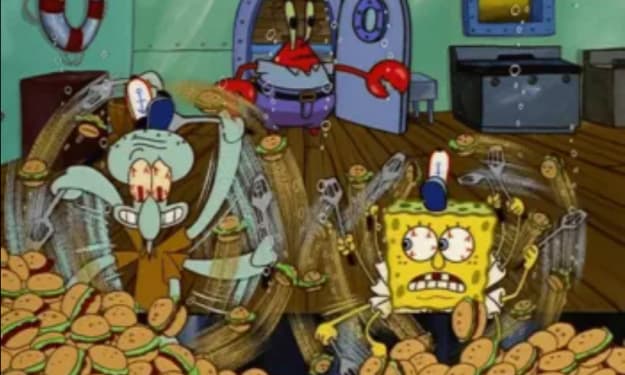
The episode “Employee of the Month” opens with a sun‑kissed burst of Bikini Bottom’s bustling morning, a kaleidoscope of pastel‑colored storefronts and the gentle hum of sea‑foam traffic that immediately immerses the viewer in the town’s whimsical routine. SpongeBob’s pineapple home, rendered in meticulous detail, glistens with dew‑spattered windows, while the ever‑cheerful glow of the Krusty Krab’s neon sign beckons like a lighthouse for the hungry and the hopeful. The animators employ a palette of saturated blues and bright yellows that echo the episode’s central theme of optimism, and the subtle background gags—such as a nervous sea cucumber nervously clutching a clipboard—layer the scene with a richness that rewards multiple viewings. This opening tableau sets a tone of earnest anticipation, foreshadowing the inevitable clash between genuine enthusiasm and corporate competition that forms the episode’s narrative spine.
By Forest Green6 days ago in Journal
SpongeBob Review
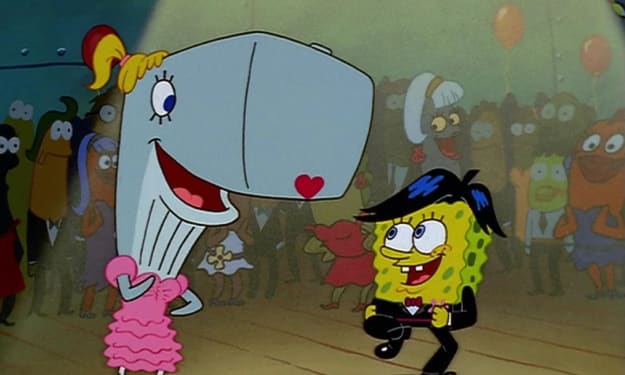
“The Chaperone,” a gem tucked within the first season of SpongeBob SquarePants, unfurls like a bright‑hued sea‑foam tapestry, each frame drenched in the buoyant optimism that defines the series while simultaneously slipping a sly, almost parental, commentary into the mix. The episode opens with Mr. Krabs anxiously appoints SpongeBob as the designated chaperone for his wide‑eyed school‑aged daughter Pearl for the prom after her date had stood her up. Also this is after everyone in the Krusty Krab including employee Squidward had said no. This is a role that both honors and lampoons the classic “big brother” trope. As SpongeBob dutifully agrees to be a chaperone for Pearl’s prom for a wonderful night, the viewer is treated to a cascade of meticulously animated details: the iridescent shimmer of coral arches, the gentle sway of kelp that seems to echo the nervous tremor in each child’s spine, and the ever‑present, reassuring glow of the school's neon sign that feels like a lighthouse guiding lost souls. The writing skillfully balances slapstick chaos—students darting into a fish‑food line, the inevitable slime‑splatter misadventure—with tender moments of affection, such as SpongeBob’s earnest, wide‑grinned encouragement that feels as warm as a summer tide. The episode’s pacing is deliberate yet breezy, allowing each visual gag to settle before moving to the next, thereby amplifying the comedic impact while keeping the narrative buoyant and coherent.
By Forest Green6 days ago in Journal
SpongeBob Review
From the moment the episode’s opening riff swells, “Squidward the Unfriendly Ghost” plunges viewers into a delightfully eerie, yet unmistakably Bikini Bottom‑centric, ambience that feels both nostalgic and freshly inventive. The water‑logged streets, tinged with an uncanny violet hue, pulse with a low‑key hum that mimics the thrum of an old‑school haunted house, while the familiar pastel houses take on a shadowy glow that suggests something mischievously supernatural is afoot. The animation team masterfully layers subtle visual cues—dripping kelp, flickering lantern‑like coral, and the occasional translucent wisp curling around the reef—to heighten the sense of otherworldly intrigue without abandoning the bright, cartoonish charm that defines the series. This atmospheric groundwork is not merely decorative; it deftly primes the audience for the episode’s thematic blend of comedy and gentle spookiness, making the ensuing ghostly escapades feel both plausibly spooky and comfortably absurd.
By Forest Green6 days ago in Journal
SpongeBob Review
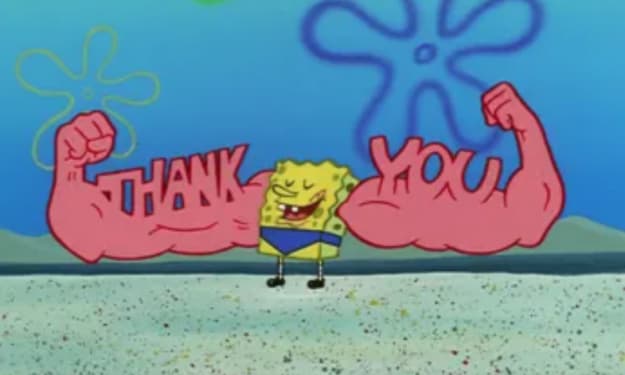
The episode “MuscleBob BuffPants” bursts onto the screen with a kinetic splash of neon‑bright animation and a soundtrack that thrums like a workout playlist, instantly immersing the viewer in the sweaty, salty world of Bikini Bottom’s seaside gym. From the opening shot of SpongeBob’s modest, pineapple‑shaped abode, the camera glides through the bustling streets, pausing to linger on the meticulously rendered ripples of kelp‑swaying seaweed and the glittering reflections on the coral‑capped storefronts, all of which establish a vivid, tactile atmosphere that feels both familiar and freshly invigorating. The episode’s opening gag—SpongeBob’s earnest attempt at a “healthy lifestyle” montage, complete with exaggerated push‑ups, high‑kicks and a comically over‑sized protein shake—sets a tone of hyper‑exaggerated optimism that the show will both parody and celebrate, while the crisp, buttery line work on the characters’ muscles and the subtle, buttery sheen on the water’s surface hints at an underlying visual ambition that exceeds the series’ typical simplicity.
By Forest Green6 days ago in Journal
China Naked Official
China’s “Naked Officials”: Power, Corruption, and Capital Flight In Chinese political discourse, the term “naked official” (裸官, luǒ guān) refers to a government official whose spouse and/or children have emigrated abroad while the official remains in China holding public office. The phrase does not imply literal nudity; rather, it suggests that the official is “exposed” — politically vulnerable and potentially more prone to corruption — because their immediate family and often their assets are based overseas.
By Ibrahim Shah 10 days ago in Journal
Dawson’s Beek
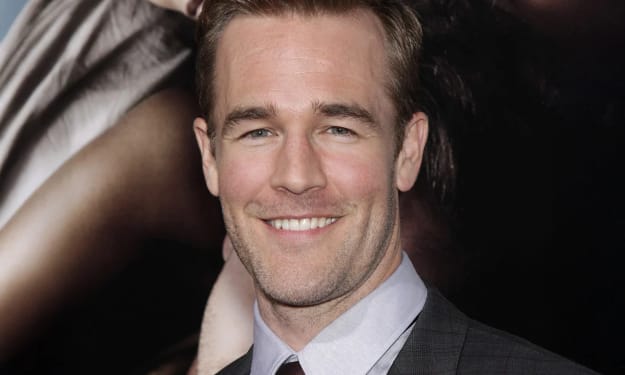
It’s the late 90’s, 1998 to be exact. The writer of Scream has just created a young adult television drama series that will define a generation. That show was called Dawson’s Creek and it starred one of the most defining performers of our time, James Van Der Beek.
By Joe Patterson16 days ago in Journal
If God Is Not Physically Here, How Are We Supposed to Have a Relationship With Him?
If God is not physically standing in front of us… if we cannot see Him, hear Him audibly, or sit across from Him at a table… then how are we supposed to have a real relationship with Him?
By Sound and Spirit16 days ago in Journal
Are You Going to Hell for Being Gay?
If someone came up to me and asked, “Does being gay mean I’m going to hell?” I would not answer quickly. That question usually comes from fear. It comes from someone who is not trying to argue, but who is honestly worried about their soul.
By Sound and Spirit17 days ago in Journal