
Title: Use the Stairs, Work From Home: Asia Adapts Quickly as Oil Prices Surge
Governments, businesses, and citizens across Asia respond with creative energy-saving measures as global fuel costs soar
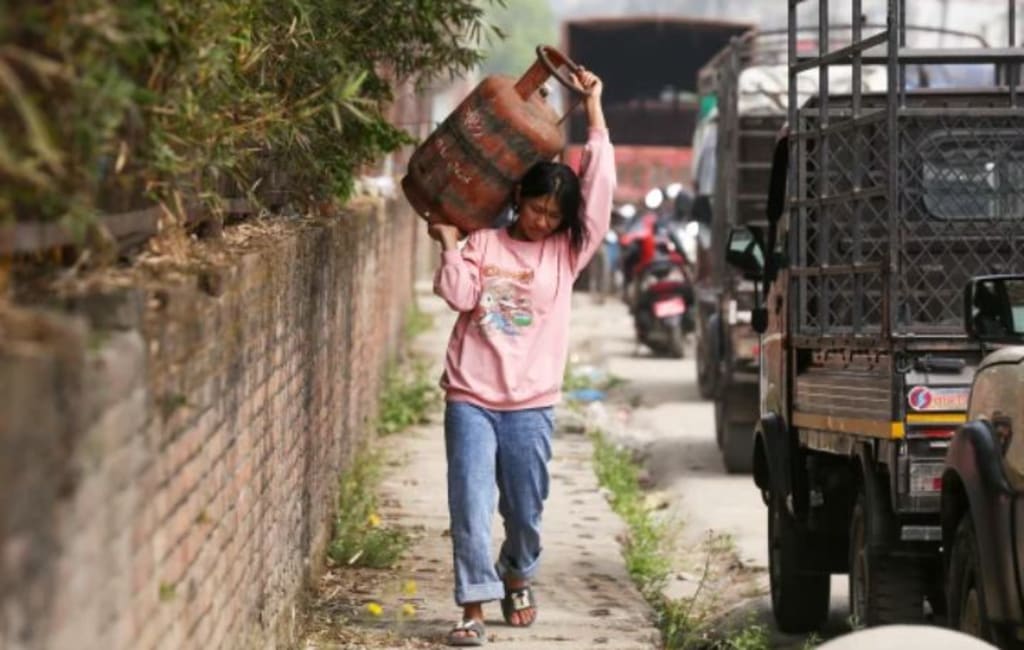
Across Asia, a quiet but noticeable shift is underway. As global oil prices climb sharply, governments, companies, and everyday citizens are adjusting their daily routines to conserve energy and manage rising costs. From encouraging workers to take the stairs instead of elevators to expanding work-from-home policies, many Asian nations are embracing practical solutions to reduce fuel consumption.
These changes reflect more than just short-term cost-cutting measures. They highlight how quickly societies can adapt when faced with energy uncertainty. The surge in oil prices has forced policymakers and households alike to rethink how energy is used, accelerating trends toward efficiency, flexibility, and sustainability.
Rising Oil Prices Trigger Urgent Action
The recent spike in global oil prices has created economic pressure across Asia, a region heavily dependent on imported energy. Many countries rely on crude oil shipments to power transportation networks, industrial production, and electricity generation. When oil prices surge, the impact spreads rapidly across the economy.
Higher fuel costs increase transportation expenses, drive up electricity prices, and raise the cost of goods. Governments are particularly concerned about inflation and the burden on consumers, especially in developing economies where energy costs make up a larger share of household spending.
As a result, officials across the region are moving quickly to encourage energy conservation and reduce fuel consumption wherever possible.
Offices Encourage Simpler Habits
One of the simplest measures being promoted across several Asian cities is the use of stairs instead of elevators in office buildings. While it may seem minor, energy experts say elevators consume a surprising amount of electricity in large commercial buildings.
Government agencies and corporations have begun placing signs near elevators encouraging employees to take the stairs when possible. In high-rise office towers, some companies have even introduced “stair challenges” or wellness campaigns to motivate workers to participate.
The benefits go beyond energy savings. Climbing stairs improves physical health, boosts productivity, and reduces electricity demand during peak hours.
While these efforts may not dramatically reduce national fuel consumption, they symbolize a broader culture of conservation that policymakers are eager to promote.
Remote Work Returns as a Cost-Saving Strategy
Another major shift emerging across Asia is the renewed emphasis on remote work. Many companies are asking employees to work from home several days per week to reduce commuting and office energy use.
During the COVID-19 pandemic, remote work became widely accepted across the region. Now, rising fuel costs are giving companies a new reason to maintain flexible work arrangements.
When employees work from home, several forms of energy consumption decrease simultaneously. Commuting by car, bus, or train drops significantly. Office buildings require less electricity for lighting, air conditioning, and elevators. Even traffic congestion can improve, reducing fuel waste.
Cities known for heavy commuter traffic—such as Tokyo, Seoul, and Bangkok—are seeing renewed interest in flexible work policies as a way to ease fuel demand.
For many workers, the shift also provides financial relief. Less commuting means fewer fuel purchases, lower transportation costs, and more time saved each day.
Governments Promote Public Awareness
Asian governments are also launching public awareness campaigns to encourage energy-saving behaviors. These campaigns focus on simple changes people can make in their daily lives.
Suggestions include:
Turning off unnecessary lights and appliances
Adjusting air conditioning temperatures
Using public transportation more frequently
Combining errands to reduce driving
Avoiding unnecessary elevator use
While each action may seem small, collectively they can make a meaningful difference in national energy demand.
In some countries, energy ministries are using social media and public announcements to spread these messages. Schools, government buildings, and public offices are also participating by implementing conservation policies.
These initiatives reflect lessons learned during past energy crises, when coordinated public action helped reduce consumption.
Businesses Look for Efficiency
Beyond small behavioral changes, many Asian businesses are investing in longer-term energy efficiency strategies.
Factories and commercial buildings are upgrading equipment to reduce fuel consumption. Companies are installing energy-efficient lighting, improving insulation, and optimizing air-conditioning systems.
Some firms are also exploring alternative energy sources, such as solar power or battery storage, to reduce their reliance on expensive imported fuel.
Logistics companies, which face significant fuel costs, are optimizing delivery routes and investing in more efficient vehicles.
These efforts are not only a response to current oil prices but also part of a broader shift toward sustainable energy practices.
Transportation Habits Begin to Shift
Public transportation systems across Asia are also seeing renewed interest. As gasoline prices climb, commuters are increasingly turning to trains, buses, and metro systems as more affordable alternatives.
Cities with well-developed transit networks are benefiting the most. Urban rail systems, in particular, allow large numbers of passengers to travel efficiently with far less energy consumption per person than private vehicles.
Some local governments are even expanding transit services or offering incentives to encourage commuters to switch away from cars.
Cycling and walking are also gaining popularity in several cities. Short trips that once required a car are now being replaced with bicycles or pedestrian travel, especially in dense urban areas.
A Reminder of Energy Vulnerability
The rapid adjustments taking place across Asia highlight the region’s vulnerability to global energy shocks. Many Asian economies depend heavily on imported oil, making them particularly sensitive to price fluctuations.
When geopolitical tensions or supply disruptions drive oil prices higher, the effects are felt quickly in transportation, manufacturing, and consumer prices.
This reality is pushing governments to accelerate efforts toward energy diversification, renewable power, and efficiency improvements.
Investments in solar, wind, and electric transportation are increasingly viewed as essential for long-term economic stability.
Small Changes, Big Impact
While using stairs instead of elevators or working from home may seem like modest steps, they represent an important mindset shift. When millions of people adopt small energy-saving habits, the combined impact can be significant.
Energy experts emphasize that conservation measures are often the fastest and most affordable way to reduce fuel demand during a crisis. Unlike large infrastructure projects, behavioral changes can take effect almost immediately.
For Asia’s rapidly growing cities, these lessons could shape future urban planning, workplace policies, and transportation systems.
Looking Ahead
The current surge in oil prices has created economic challenges, but it has also sparked innovation and adaptation. Across Asia, individuals, businesses, and governments are demonstrating how quickly societies can adjust when energy costs rise.
Whether through remote work, public transportation, or simple habits like taking the stairs, these changes show that reducing energy consumption does not always require drastic sacrifice.
Instead, it often begins with small decisions repeated every day.
If high oil prices persist, many of these adjustments may become permanent features of modern life across the region—reshaping how people work, travel, and think about energy in the years ahead.
About the Creator
Author’s Advice
If you would’ve asked me 20 years ago did I know I’d become a writer and an author, I would’ve said “nope, ain’t happening”. As fate would have it I did become an author and I can honestly say I’m loving it so far. It really does feel good to be a writer. I’ve learned a lot on this journey and I feel like with even me being as new to this world as I am, there’s some wisdom I need to share with every other aspiring author.
By Joe Patterson4 days ago in Journal
5 Methods to Make Money with Pinterest — Passive Income
If you search on YouTube or the internet, you will find how people use Pinterest and make thousands of bucks every month. You might be familiar with Pinterest, or you might use it to scroll down and get ideas. But Pinterest is much more than what you think.
By makelivingonlinea day ago in Journal




Comments
There are no comments for this story
Be the first to respond and start the conversation.