
Trump Gets Data Center Companies to Pledge to Pay for Power Generation
Tech giants commit billions toward energy infrastructure as surging AI demand strains the U.S. power grid.
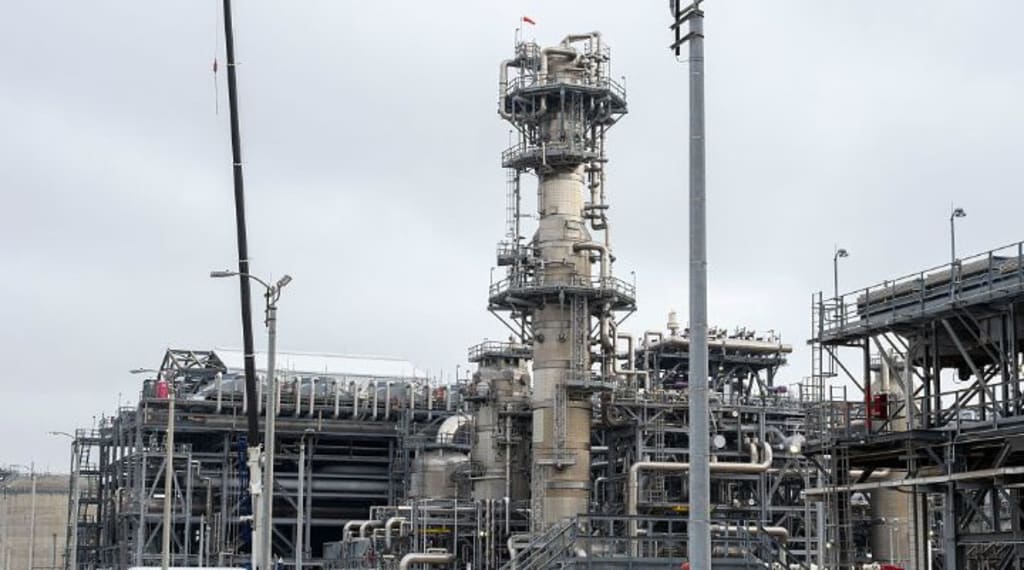
The rapid expansion of artificial intelligence, cloud computing, and digital services has dramatically increased the demand for electricity across the United States. Data centers—the massive facilities that power everything from streaming services to AI models—are consuming more energy than ever before. In response to growing concerns about grid capacity, President Donald Trump has secured a major commitment from data center companies: they will help pay for new power generation needed to support their rapidly expanding operations.
The agreement represents a significant shift in how the tech industry and the federal government approach the challenge of energy demand in the digital age. Rather than relying entirely on public infrastructure or utility providers, companies building new data centers are now being asked to directly contribute to the development of the power generation required to run them.
The move is intended to prevent energy shortages, stabilize electricity prices, and ensure that the United States can continue expanding its digital infrastructure without overwhelming the power grid.
The Energy Problem Behind the Data Boom
Over the last decade, data centers have become one of the fastest-growing sources of electricity demand in the country. These facilities house thousands of servers that process enormous amounts of information every second. As artificial intelligence tools and cloud platforms become more widely used, the computing power required to support them continues to rise.
Modern AI models in particular require immense computational resources, which translate directly into high electricity consumption. Some large data centers now use as much electricity as small cities.
Energy analysts warn that if current growth continues, data centers could account for a significant share of total U.S. electricity demand within the next decade. This rapid increase has raised concerns among utility companies and policymakers about whether the existing grid can keep up.
Without new power plants or energy infrastructure, experts fear that certain regions could face power shortages or higher electricity prices.
Trump’s Strategy: Make Tech Companies Help Pay
To address the issue, the Trump administration has taken a new approach: requiring companies that build large data centers to contribute to the cost of generating the power they consume.
Under the proposed framework, technology companies planning new facilities would commit funding toward power generation projects such as natural gas plants, nuclear facilities, or renewable energy installations. The goal is to ensure that new electricity supply is built alongside the data centers that require it.
Supporters of the plan say it is a practical solution to a growing infrastructure challenge. Instead of shifting the burden onto taxpayers or existing electricity customers, the companies driving the demand would help finance the necessary expansion of energy production.
According to administration officials, several major data center operators have already agreed to participate in the initiative.
Why Data Centers Use So Much Energy
The enormous energy consumption of data centers comes from several factors. First, the servers themselves require constant power to operate. These machines run around the clock processing data for cloud storage, artificial intelligence systems, financial transactions, and internet services.
Second, the facilities must be carefully cooled to prevent overheating. Thousands of servers packed into one building generate large amounts of heat, requiring extensive cooling systems that also consume electricity.
Third, modern AI workloads dramatically increase the amount of computing power required. Training advanced AI models involves processing massive datasets using specialized chips that demand significant energy.
As a result, a single large data center campus can require hundreds of megawatts of electricity—comparable to the energy needs of tens of thousands of homes.
Tech Companies Respond to Energy Pressure
Many technology companies have acknowledged the growing energy challenge and are already investing heavily in energy infrastructure. Some firms have signed long-term contracts for renewable energy such as wind and solar power to offset their electricity use.
Others are exploring partnerships with utilities and energy developers to build new power generation near data center campuses.
The Trump administration’s initiative builds on these efforts by encouraging companies to go even further—directly helping finance new power plants.
Industry leaders say this approach could provide greater certainty when planning new data centers, especially in regions where the electricity grid is already under pressure.
For companies investing billions of dollars in computing infrastructure, having a stable and reliable power supply is essential.
Balancing Economic Growth and Energy Demand
Data centers are a major source of economic growth in many parts of the United States. They create construction jobs, attract technology investment, and generate tax revenue for local communities.
States such as Virginia, Texas, and Arizona have become major hubs for data center development because of their favorable energy costs and infrastructure.
However, the rapid growth of these facilities has also raised concerns among regulators and residents about electricity consumption.
In some areas, utilities have warned that building multiple large data centers could require significant upgrades to transmission lines and power generation capacity.
The Trump administration’s plan aims to balance these competing interests—allowing continued expansion of digital infrastructure while ensuring that energy supply keeps pace.
Potential Benefits of the Plan
Supporters of the initiative say it could bring several benefits to the U.S. economy.
First, it encourages private investment in energy infrastructure, reducing the financial burden on public utilities and taxpayers.
Second, it could accelerate the construction of new power plants, helping prevent electricity shortages as demand grows.
Third, it may create opportunities for advanced energy technologies such as small modular nuclear reactors, large-scale battery storage, and next-generation renewable systems.
By aligning data center development with energy investment, policymakers hope to build a more resilient and modern power grid.
Challenges and Criticism
Despite its potential advantages, the policy has also faced criticism from some analysts and consumer advocates.
Critics argue that requiring companies to pay for new power generation could increase the cost of building data centers in the United States. That might push some firms to invest in other countries where regulations are less strict.
Others worry that if new fossil fuel power plants are built to meet data center demand, the policy could increase greenhouse gas emissions.
Environmental groups have urged policymakers to focus on renewable energy and clean technologies when expanding power generation for data centers.
These debates highlight the complex balance between technological growth, energy security, and environmental sustainability.
The Future of Data Centers and Energy
The agreement between the Trump administration and data center companies signals a new phase in the relationship between the technology sector and the energy industry.
As artificial intelligence, cloud computing, and digital services continue to expand, the demand for electricity will only increase. Ensuring that the power grid can support this growth will be one of the major infrastructure challenges of the coming decade.
By encouraging tech companies to help finance new power generation, the administration hopes to ensure that America’s digital economy can keep growing without straining the nation’s energy resources.
Whether the strategy succeeds will depend on how effectively government, utilities, and technology firms work together to build the next generation of energy infrastructure.
One thing is certain: the future of the digital economy will be closely tied to the future of energy.
About the Creator
How To Taste Hoi An Through Its Most Loved Local Dishes
Among the many Asian countries worth checking out on your next vacation, a must-visit would be Vietnam. One of the areas worth delving into in Vietnam is its interesting food scene. A city quite famous for the amazing food culture would be Hoi An. The many meals in the city are cooked the same way they have been for generations, using familiar ingredients and steady routines. You might be able to find a deeper appreciation for this city when you start diving into the cuisine of the region.
By Jeewanthi Armstrongabout 9 hours ago in Journal




Comments
There are no comments for this story
Be the first to respond and start the conversation.