
Trump Seeks to Close $1.6 Trillion Revenue Gap With Raft of New Tariffs
The proposed tariffs could transform U.S. trade policy while sparking debate over costs for consumers and global partners.
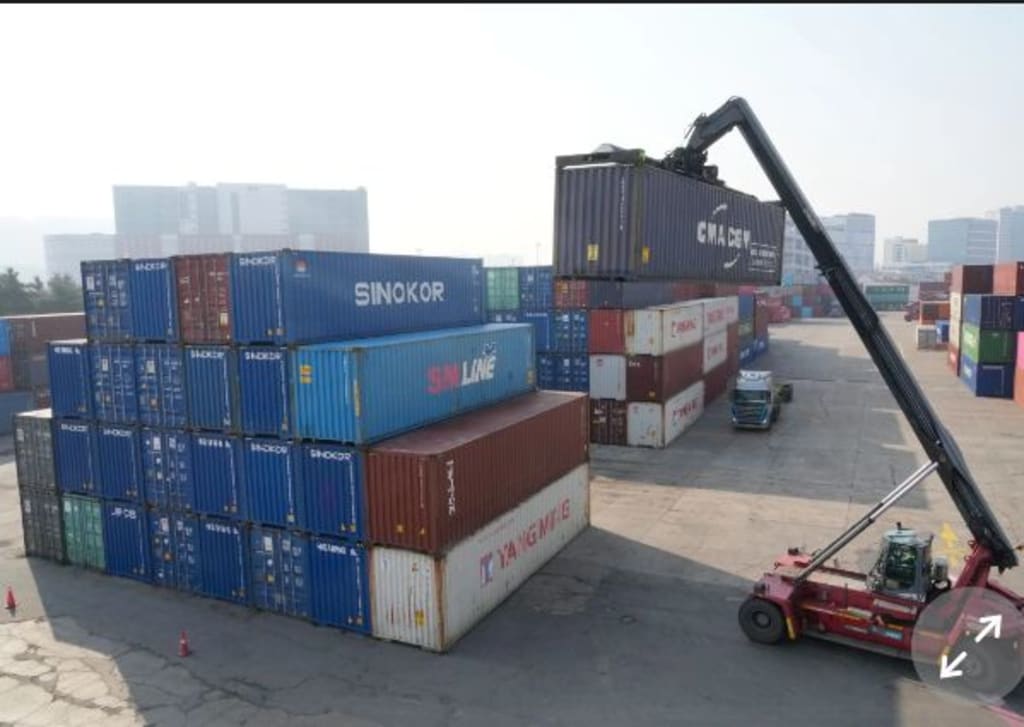
Supporters say the plan could strengthen American industry and reduce dependence on foreign supply chains. Critics, however, warn that aggressive tariffs could raise prices for consumers, strain diplomatic relationships, and trigger retaliatory trade measures from major global partners.
The debate highlights a fundamental question about the future of U.S. economic policy: Should tariffs become a major tool for funding government and reshaping trade?
Understanding the $1.6 Trillion Revenue Gap
The U.S. government continues to grapple with persistent budget deficits. Rising costs for social programs, defense spending, and interest payments on national debt have pushed federal expenditures far beyond tax revenues.
According to recent fiscal projections, the government faces a $1.6 trillion gap between spending and income, forcing policymakers to explore new revenue sources.
Trump’s proposal focuses on tariffs as a solution. By taxing imported goods entering the United States, the administration hopes to generate hundreds of billions in new revenue annually. The plan also aligns with Trump’s long-standing argument that other countries have taken advantage of American markets without paying their “fair share.”
During his earlier presidency, Trump frequently used tariffs to pressure trading partners, particularly China, in an effort to reduce trade imbalances and protect domestic industries.
A Broad Tariff Strategy
Unlike earlier tariff measures that targeted specific industries such as steel or aluminum, the new proposal could cover a much wider range of imported goods.
Policy advisers have discussed several potential measures, including:
A universal tariff on all imported goods
Higher tariffs on countries with large trade surpluses
New duties on strategic sectors such as electronics, vehicles, and energy equipment
Additional penalties for nations accused of unfair trade practices
Supporters argue that such measures would accomplish two goals simultaneously: raising revenue and encouraging companies to manufacture more products within the United States.
Proponents believe that higher tariffs would make imported goods more expensive, creating incentives for businesses to relocate production domestically.
Lessons From the Previous Trade War
Trump’s approach to tariffs is not new. During his first term in office, the administration launched a major trade confrontation with China that reshaped global supply chains.
The conflict escalated into the United States–China Trade War, during which the United States imposed tariffs on hundreds of billions of dollars worth of Chinese imports. China responded with retaliatory duties on American agricultural products and other exports.
While the tariffs generated government revenue and pressured some companies to shift supply chains, the policy also had unintended consequences.
Many American manufacturers faced higher costs for imported components, and U.S. farmers suffered losses as export markets shrank. Economists continue to debate whether the tariffs ultimately strengthened or weakened the American economy.
Potential Impact on Consumers
One of the most controversial aspects of the new tariff plan is its possible effect on American consumers.
When tariffs are imposed on imported goods, companies often pass those costs on to buyers through higher prices. This means that everyday items—from electronics and clothing to cars and appliances—could become more expensive.
Retail groups and business organizations warn that broad tariffs could contribute to inflation at a time when households are already dealing with rising living costs.
However, Trump allies argue that the impact would be manageable. They say increased domestic production could eventually stabilize prices and create jobs, offsetting the short-term cost increases.
Global Trade Tensions Could Rise
A sweeping tariff policy would likely provoke strong reactions from major trading partners.
Countries that export heavily to the United States—such as China, Germany, Japan, and Mexico—could respond with retaliatory tariffs on American goods. Such actions could spark new trade disputes and disrupt global supply chains.
International organizations and economists often warn that escalating tariff battles can slow global economic growth and reduce international cooperation.
At the same time, some policymakers believe that a tougher approach to trade could force negotiations that ultimately benefit the United States.
A Shift Toward Tariffs as Government Revenue
Traditionally, the U.S. government has relied primarily on income taxes, payroll taxes, and corporate taxes to fund federal programs. Tariffs currently account for only a small share of total government revenue.
Trump’s proposal represents a potential shift toward using tariffs as a significant source of funding. Some advisers have even suggested that tariffs could partially replace certain domestic taxes.
Supporters argue that this approach would shift part of the financial burden from American taxpayers to foreign exporters. Critics counter that tariffs ultimately function as a tax on American businesses and consumers rather than foreign governments.
Political Debate Intensifies
The tariff proposal is already fueling debate across Washington. Some lawmakers, particularly those representing manufacturing-heavy regions, support stronger trade protections.
Others warn that aggressive tariffs could damage international relationships and hurt American exporters.
Economists also remain divided. While some believe tariffs can help rebuild domestic industry, many argue that open trade and competitive markets lead to stronger economic growth over time.
The policy debate reflects deeper disagreements about globalization, economic security, and the role of government in managing trade.
The Road Ahead
Whether Trump’s tariff strategy becomes reality will depend on political negotiations, congressional approval, and reactions from global partners.
If implemented, the plan could mark one of the most significant shifts in U.S. trade policy in decades. By attempting to use tariffs to close a massive budget gap, the proposal challenges long-standing assumptions about how governments generate revenue and manage international trade.
For now, the idea remains part of a broader economic discussion about how to address America’s growing fiscal challenges. But one thing is clear: tariffs are once again at the center of the national conversation about the future of the U.S. economy.
As policymakers weigh the risks and benefits, the outcome could reshape global commerce—and determine how the United States balances its books in the years ahead.
About the Creator
Author’s Advice
If you would’ve asked me 20 years ago did I know I’d become a writer and an author, I would’ve said “nope, ain’t happening”. As fate would have it I did become an author and I can honestly say I’m loving it so far. It really does feel good to be a writer. I’ve learned a lot on this journey and I feel like with even me being as new to this world as I am, there’s some wisdom I need to share with every other aspiring author.
By Joe Patterson4 days ago in Journal
Mastering Operational Excellence
In today’s fast-paced business environment, organizations are constantly searching for ways to stay competitive, maintain quality, and scale efficiently. While strategy, innovation, and market positioning are important, the true differentiator often lies in operational excellence. It’s not a buzzword—it’s a discipline that transforms ordinary organizations into high-performing, resilient enterprises.
By Kenneth Kremsky4 days ago in Journal




Comments
There are no comments for this story
Be the first to respond and start the conversation.