
UAE Stock Markets to Close for Two Days Amid Iran Strikes
Escalating regional tensions force trading halts in Dubai and Abu Dhabi as authorities move to shield the financial system from extreme volatility.
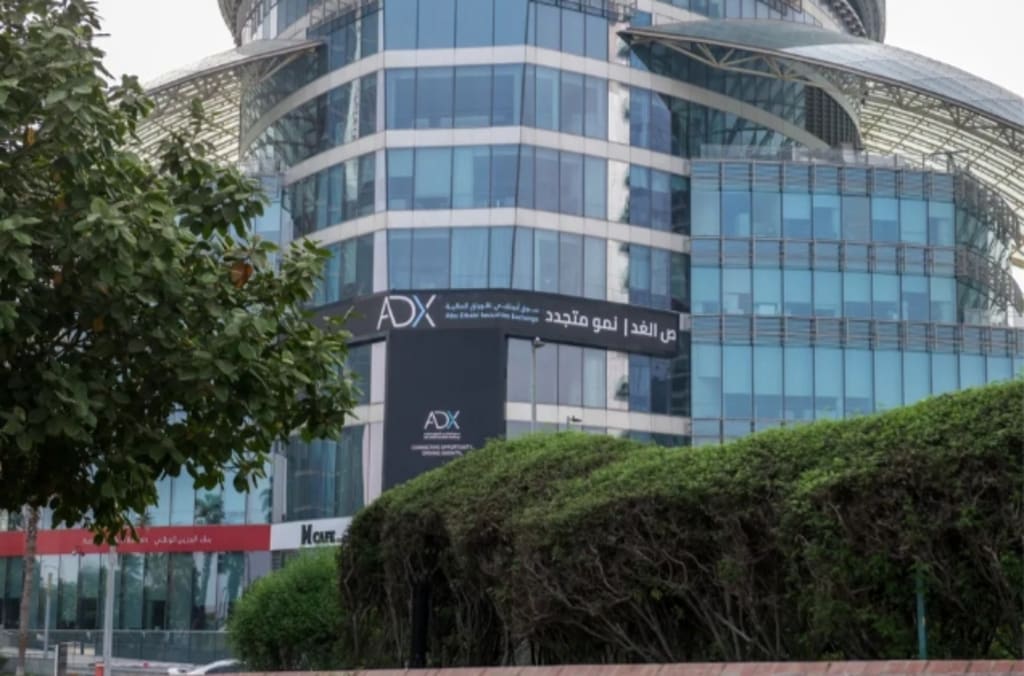
The normally steady rhythm of financial life in the United Arab Emirates was abruptly interrupted this week as authorities announced a two-day closure of the country’s main stock exchanges. The decision followed escalating regional tensions after strikes on Iran triggered fears of wider instability across the Gulf.
For investors in Dubai and Abu Dhabi, the move was both surprising and telling. Markets are designed to absorb shocks. But when volatility risks spiraling into panic, regulators sometimes choose pause over chaos.
That is exactly what happened.
A Sudden Halt in Trading
The Abu Dhabi Securities Exchange (ADX) and the Dubai Financial Market (DFM) suspended trading for two days following a surge in geopolitical tension tied to Iran-related military developments.
Officials described the shutdown as a precautionary measure aimed at protecting investors and maintaining orderly market conditions. While the UAE itself was not directly targeted in the strikes, the regional proximity and interconnected economies of the Gulf heightened investor anxiety.
Financial markets across the Middle East reacted sharply, with oil prices climbing and equity benchmarks in neighboring countries posting early losses. In that environment, regulators chose containment over confrontation with volatility.
Why Close a Market?
Stock exchanges rarely close outside of national holidays or technical emergencies. When they do, it signals concern about disorderly trading conditions.
Market closures are typically used to:
Prevent panic-driven selloffs
Avoid extreme price gaps
Give institutions time to assess risk exposure
Allow regulators to coordinate responses
In moments of geopolitical uncertainty, rumor and fear can move prices faster than facts. By halting trading temporarily, authorities effectively freeze price discovery while allowing information to catch up with emotion.
In this case, officials framed the closure as a short-term stability measure rather than a sign of systemic weakness.
The Ripple Effect Across the Gulf
The UAE’s markets sit at the heart of Gulf capital flows. Dubai is a regional financial hub, and Abu Dhabi manages one of the world’s largest sovereign wealth portfolios. Any disruption in these markets carries symbolic weight.
Across the Gulf region, energy-linked economies are particularly sensitive to conflict involving Iran. The Strait of Hormuz — one of the world’s most vital oil shipping routes — remains a strategic chokepoint, and any threat to its stability can rattle commodity markets.
Oil prices surged in early trading following the strikes, reflecting fears of supply disruptions. For oil-exporting nations like the UAE, higher crude prices can boost revenues. But in financial markets, the benefits of higher oil often collide with concerns about broader instability.
Investors began rotating into safer assets globally, including gold and U.S. government bonds, signaling a classic risk-off response.
Impact on Investors and Businesses
For individual investors, the closure offers short-term protection from rapid market swings. However, it also locks in positions temporarily, preventing portfolio adjustments during unfolding developments.
Institutional investors face a similar challenge. Fund managers cannot rebalance holdings on the ADX or DFM until trading resumes. That delay could result in heightened volatility once markets reopen, as deferred transactions flood in simultaneously.
Corporate implications are also significant:
Companies planning capital raises may see delays
Market-linked financing structures face temporary uncertainty
Investor sentiment toward regional equities could soften
Still, banking operations and payment systems remain fully functional. The closure affects only exchange trading, not broader financial infrastructure.
Confidence Versus Caution
The UAE has long cultivated an image of economic resilience and stability, even amid regional turbulence. Its diversified economy, robust regulatory framework, and strong fiscal buffers typically reassure global investors.
This temporary halt can be interpreted in two ways.
On one hand, it underscores caution — an acknowledgment that geopolitical shocks can spill into financial systems quickly.
On the other, it demonstrates proactive governance. By acting early, regulators aim to prevent cascading effects rather than reacting after severe damage occurs.
The distinction matters. Markets thrive on confidence, and decisive intervention can sometimes reinforce that confidence rather than weaken it.
What Happens When Markets Reopen?
When trading resumes, analysts expect elevated volatility. Several factors will shape the reaction:
Developments in regional security
Movements in global oil prices
Statements from political leaders
Broader global market sentiment
Energy stocks could benefit from sustained higher oil prices, while banking and real estate sectors may experience short-term pressure if investors adopt a defensive stance.
The reopening session will likely serve as a real-time referendum on how investors interpret the regional risk environment.
A Broader Economic Context
Beyond financial markets, the regional situation has influenced aviation routes, shipping logistics, and corporate contingency planning. Airlines have adjusted flight paths, and businesses are reviewing risk exposure tied to regional supply chains.
However, daily life in the UAE continues largely uninterrupted. Infrastructure remains secure, and authorities have emphasized that the closure is precautionary rather than reactive to domestic instability.
The country’s sovereign wealth strength and fiscal reserves provide an additional cushion against prolonged disruption.
The Psychological Dimension of Markets
Markets are not just mechanisms of trade; they are barometers of collective sentiment. Fear, uncertainty, and speculation can amplify price movements far beyond underlying fundamentals.
By pausing trading, regulators are effectively inserting a cooling-off period into the system. Investors gain time to evaluate facts rather than reacting instantly to headlines.
History shows that temporary closures, when clearly communicated and time-limited, often help restore order rather than erode trust.
The Global Perspective
The UAE’s decision also reflects how interconnected global markets have become. Events in one country can trigger ripple effects across continents within minutes.
Wall Street, European exchanges, and Asian markets all reacted to the Iran-related escalation, demonstrating how geopolitical risk now travels at digital speed.
For global investors, the Gulf region remains strategically important — not only for energy markets but also for capital flows and sovereign investment partnerships.
Looking Ahead
The coming days will determine whether the market halt proves to be a brief pause in otherwise steady growth or a prelude to sustained volatility.
Much depends on diplomatic developments and whether tensions escalate further or begin to de-escalate.
For now, the UAE’s leadership has chosen stability over speed — signaling that preserving market order takes precedence over uninterrupted trading.
As exchanges prepare to reopen, investors around the world will be watching closely. In uncertain times, confidence is currency — and how markets respond next may say as much about psychology as it does about economics.
Category Suggestion: World News / International Finance / Middle East
If you'd like, I can also format this for Vocal Media with SEO keywords and tag suggestions
About the Creator
Trickle Them Down, But Not Out
The thing about smart people is that they should know better, but alas, intelligence is not the same as wisdom. Not only do the mistakes of experts too short on vision—when they are not corrected—have the potential to do great and far-reaching damage, but they also undermine public confidence in the very notion of expertise. This is particularly so when expertise is wielded in defence of the rich and powerful as a cudgel against those laid low. As an academic, this lack of faith in “so-called experts” is painful to see as it plays out in the spread of dis-/misinformation, conspiracy theories, and anti-intellectualism writ large. But it is also an understandable impulse given the catastrophic failure of an economic ideology pushed by certain economic experts. Supply-side economics has shaped a broken system for the last half-century and has arguably done more to undermine the fabric of the American Dream than any policy framework of the past century.
By Cory Wright-Maley7 days ago in Humans


Comments
There are no comments for this story
Be the first to respond and start the conversation.