
Understanding the Hydraulic System in Rubber Tyred Gantry Cranes
Optimizing Performance and Reliability: The Role of Hydraulics in RTG Cranes

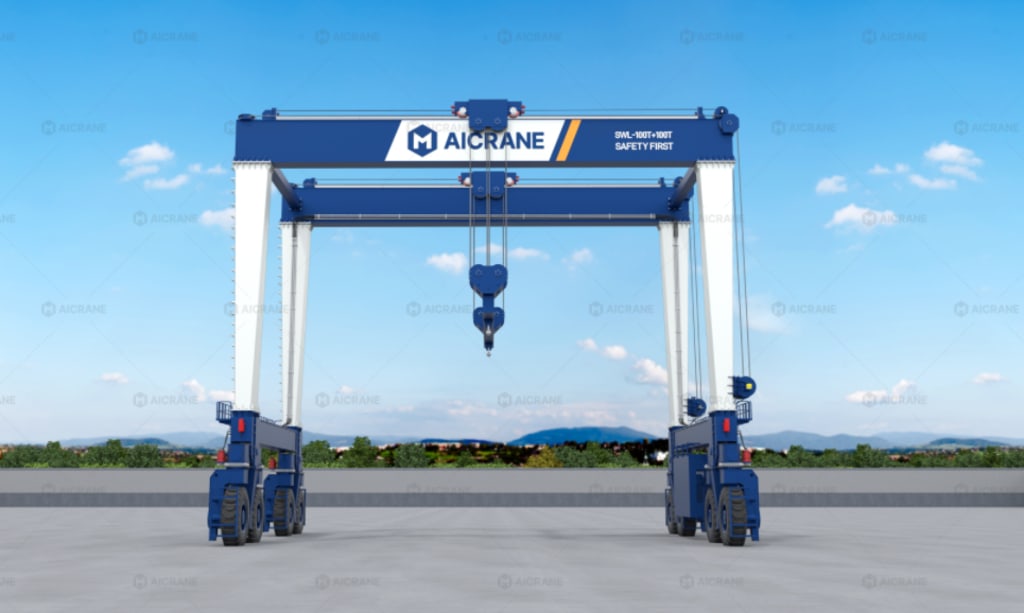
Rubber Tyred Gantry (RTG) cranes play a pivotal role in modern container terminals and bulk material handling operations. These cranes are designed to efficiently lift, stack, and move heavy containers across large yards. While many people focus on the mechanical and structural aspects of RTG cranes, the hydraulic system is equally critical to their performance, safety, and operational efficiency. This article explores the functions, components, operation, and maintenance of hydraulic systems in RTG cranes.
The Role of Hydraulic Systems in RTG Cranes
Hydraulic systems in RTG cranes are primarily responsible for generating and transmitting force to perform lifting, lowering, steering, and sometimes auxiliary operations. Unlike purely electric or mechanical systems, hydraulic systems provide smooth and controlled movement even under heavy loads, which is essential when handling containers weighing 20–50 tons or more.
Hydraulics allow RTG rubber tyred gantry cranes to convert mechanical energy into fluid power, which can then be used to actuate cylinders or motors. This is particularly advantageous for cranes with multiple lifting points or cranes operating in congested container yards, where precise control over speed and positioning is crucial.
In addition to lifting operations, hydraulics are often integrated into the RTG crane’s anti-sway mechanisms and steering systems, enabling stability and maneuverability. This integration ensures that containers are lifted and moved without excessive sway, which reduces the risk of accidents and damage.
Key Components of an RTG Crane Hydraulic System
A typical hydraulic system in an RTG crane consists of several essential components, each playing a critical role in crane performance:
1. Hydraulic Pump
The hydraulic pump is the heart of the system. It converts mechanical energy from the crane’s engine or electric motor into hydraulic energy by pressurizing the hydraulic fluid. In RTG cranes, pumps must provide high flow rates and pressures to ensure smooth lifting and movement under heavy loads. Common types include gear pumps, vane pumps, and piston pumps, with piston pumps often preferred for heavy-duty operations due to their efficiency and durability.
2. Hydraulic Fluid
Hydraulic fluid is the medium through which energy is transmitted. It must possess properties such as high viscosity stability, thermal resistance, and low compressibility. Modern RTG cranes use specialized hydraulic oils that provide lubrication, corrosion protection, and heat dissipation, ensuring that the system can operate continuously under high loads and in varying environmental conditions.
3. Hydraulic Cylinders
Hydraulic cylinders convert hydraulic energy into linear motion, which is essential for lifting and lowering containers. The size, stroke, and force capacity of these cylinders are carefully designed based on the crane’s lifting capacity and reach. Many RTG cranes use telescopic cylinders for adjustable lifting height, enabling the crane to handle containers stacked several layers high.
4. Control Valves
Control valves regulate the flow and direction of hydraulic fluid, allowing precise movement of the crane’s lifting mechanism. Proportional valves are commonly used in modern RTG cranes, offering smooth and variable control of lift speed. These valves are crucial for synchronization when the crane uses multiple lifting points, ensuring that the load is evenly lifted without tilting or swaying.
5. Hydraulic Motors
Hydraulic motors convert hydraulic pressure into rotational motion. In RTG cranes, hydraulic motors are typically used for steering the rubber-tyred wheels and for auxiliary equipment such as hoist drives. This allows the crane to move with precision in narrow or congested terminal spaces.
6. Filters and Reservoirs
Hydraulic systems require clean fluid to prevent wear and damage. Hydraulic filters remove contaminants, while reservoirs store and cool the fluid. The reservoir also helps in degassing the fluid and compensates for thermal expansion. Regular maintenance of these components is critical for prolonging system life and avoiding unplanned downtime.
How Hydraulic Systems Operate in RTG Cranes
The operation of an RTG crane hydraulic system is highly integrated with the crane’s overall control system. When an operator moves the joystick or control lever, an electronic signal is sent to the proportional valve, which regulates the flow of hydraulic fluid to the relevant cylinder or motor. The pressurized fluid then actuates the cylinder, lifting the spreader or adjusting the crane’s steering.
For lifting containers, multiple cylinders may operate simultaneously. Hydraulic circuits are designed to balance the load and prevent uneven lifting, which is crucial when handling stacked containers or heavy cargo. Advanced RTG cranes also incorporate load-sensing hydraulics, which adjust the pressure and flow based on the weight of the container. This reduces energy consumption and ensures smoother operation.
Steering and mobility also benefit from hydraulics. Each wheel of an RTG crane can have an independent hydraulic motor, allowing for complex steering patterns such as crab steering or omnidirectional movement. This flexibility is especially useful in tight container yard layouts where precise positioning is necessary.
Safety Features Enabled by Hydraulic Systems
Hydraulic systems in RTG cranes contribute to safety in several ways:
Load Holding and Anti-Drop Valves: Prevent accidental lowering of containers in case of a system failure.
Overload Protection: Pressure relief valves protect hydraulic cylinders and pumps from excessive loads.
Anti-Sway Control: Smooth hydraulic motion reduces container sway, minimizing the risk of collisions.
Emergency Stop Functions: Hydraulic systems can be designed to hold the load safely during power loss, providing critical protection to operators and cargo.
These safety mechanisms are particularly important in modern automated or semi-automated RTG cranes, where precision and reliability are paramount.
Maintenance and Troubleshooting
Maintaining the hydraulic system is essential for prolonging the life of an RTG crane. Key maintenance practices include:
Regular Fluid Checks: Ensure hydraulic oil is at the correct level and free of contamination.
Filter Replacement: Replace filters at recommended intervals to prevent system clogging.
Inspection of Cylinders and Hoses: Look for leaks, wear, or damage to prevent failure under load.
Monitoring System Pressure: Check for abnormal pressure fluctuations that could indicate a problem with pumps or valves.
Common issues in RTG crane hydraulics include fluid leaks, cylinder sticking, and pump wear. Most of these can be prevented with routine inspections and proper servicing. Modern RTG gantry cranes for sale also feature diagnostic systems that alert operators to hydraulic faults before they become critical.
Advantages of Hydraulic Systems in RTG Cranes
Hydraulic systems offer several advantages over purely mechanical or electric systems:
Precision Control: Smooth and adjustable lifting and lowering.
High Power Density: Ability to handle extremely heavy loads in a compact system.
Reliability: Hydraulic systems are durable and can operate under harsh conditions.
Flexibility: Enable advanced features such as anti-sway, load-sensing, and complex steering.
Energy Efficiency: Load-sensing and variable-flow systems reduce energy consumption.
These advantages make hydraulic systems the preferred choice for modern RTG cranes, ensuring that terminals can operate safely, efficiently, and reliably.
Conclusion
The hydraulic system is the backbone of a rubber tyred gantry crane, providing the power, control, and safety needed for heavy container handling operations. From lifting massive containers to precise steering in congested yards, hydraulics enable smooth, reliable, and safe crane operations. Understanding the components, operation, and maintenance requirements of hydraulic systems is essential for operators, engineers, and maintenance teams who aim to maximize the performance and lifespan of their RTG cranes.
In today’s competitive port and terminal environments, a well-designed hydraulic system not only enhances operational efficiency but also contributes to safety and reduced operational costs. As technology advances, hydraulic systems in RTG cranes continue to evolve, integrating intelligent controls, energy-efficient designs, and advanced safety features that redefine how containers are handled around the world.
About the Creator
Aicrane01
Welcome to the Aicrane Blog, your practical guide to lifting solutions. Discover articles covering overhead cranes, gantry cranes, winches, steel structures, boat lifts, and more.
Website: https://steelmillcranes.com/
Author’s Advice
If you would’ve asked me 20 years ago did I know I’d become a writer and an author, I would’ve said “nope, ain’t happening”. As fate would have it I did become an author and I can honestly say I’m loving it so far. It really does feel good to be a writer. I’ve learned a lot on this journey and I feel like with even me being as new to this world as I am, there’s some wisdom I need to share with every other aspiring author.
By Joe Patterson4 days ago in Journal




Comments
There are no comments for this story
Be the first to respond and start the conversation.