
Wall Street Turns to ‘Haven-First’ Strategy Amid Iran Crisis
Investors Flee Risk Assets as Geopolitical Tensions Drive a Surge in Demand for Treasuries, Gold, and Defensive Sectors
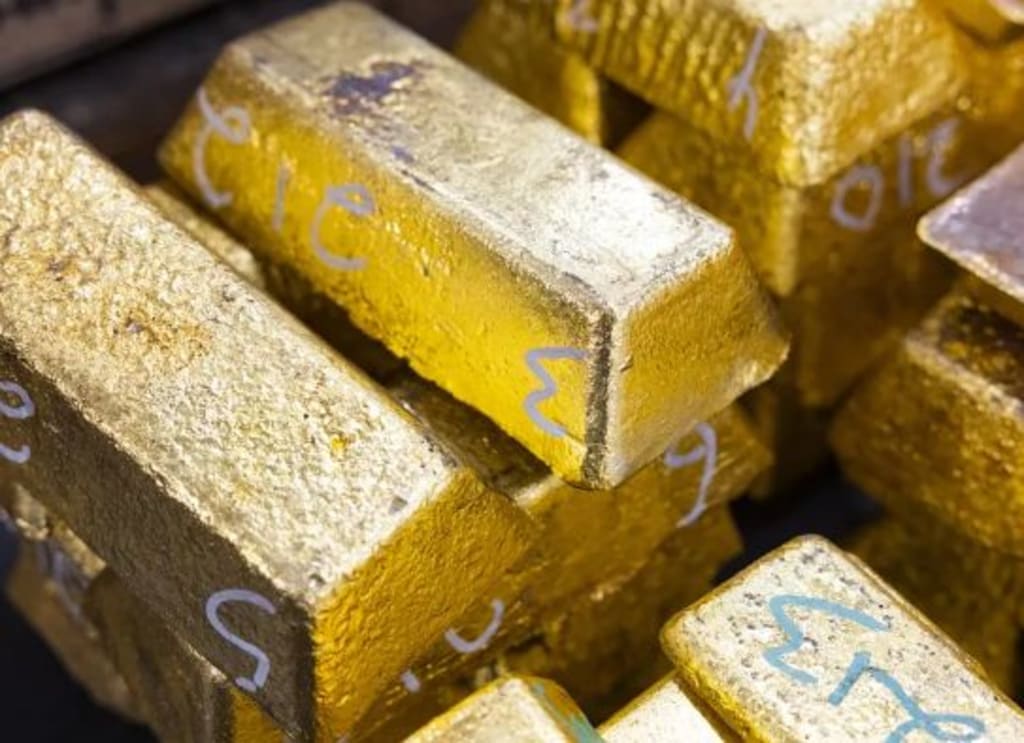
When geopolitical tensions flare, financial markets rarely stay calm for long. The latest escalation surrounding Iran has prompted a decisive reaction on Wall Street — one that traders are calling a “haven-first” strategy. Instead of analyzing earnings forecasts or debating interest-rate policy, investors are doing something far simpler: moving their money to safety.
In moments like these, protecting capital matters more than chasing returns. And right now, safety is the priority.
What Does “Haven-First” Really Mean?
The haven-first strategy is built on a simple principle: when uncertainty spikes, investors rotate away from risky assets like stocks and into instruments historically viewed as safe havens.
That typically includes:
U.S. Treasury bonds
Gold
The Swiss franc
Defensive stock sectors such as utilities and energy
Rather than waiting for clarity, investors act first — securing positions in stable assets before evaluating long-term consequences. The philosophy is clear: stability now, analysis later.
Why the Iran Crisis Sparked a Market Reaction
The recent escalation involving Iran rattled global markets because of its unpredictability and potential global impact. The Middle East remains a critical hub for global oil supply, and any conflict that threatens energy infrastructure or shipping routes can have immediate economic consequences.
The mere possibility of disruption in the Strait of Hormuz — one of the world’s most vital oil transit chokepoints — is enough to send energy prices higher. Rising oil prices can fuel inflation, disrupt supply chains, and complicate central bank policy decisions.
Markets dislike uncertainty more than bad news. And right now, uncertainty is abundant.
The Rush Into Safe Havens
U.S. Treasuries: The Classic Refuge
The first place many investors turn during geopolitical stress is U.S. government debt. Demand for Treasuries typically pushes prices up and yields down, reflecting a flight to safety.
Even in turbulent times, U.S. government bonds are considered among the most secure assets globally because they are backed by the full faith and credit of the United States.
Gold: The Timeless Hedge
Gold has once again proven its status as a crisis asset. When geopolitical tensions rise, investors often buy gold as a hedge against market instability, currency fluctuations, and inflation fears.
Unlike stocks or bonds, gold doesn’t depend on corporate performance or interest rates. Its value is rooted in perception — and in times of fear, perception favors tangible assets.
The Swiss Franc: Currency Stability
Currencies also reflect investor anxiety. The Swiss franc historically strengthens during crises because Switzerland is viewed as politically neutral and financially stable. When global tensions intensify, money flows toward perceived stability.
Stocks Feel the Pressure
While safe havens rally, equity markets typically face headwinds.
Risk-sensitive sectors — including technology, consumer discretionary, and travel — often see selling pressure. These industries depend heavily on stable economic growth and consumer confidence. Geopolitical instability threatens both.
On the other hand, defensive sectors tend to hold up better. Utilities, energy companies, and defense contractors can even see gains during geopolitical turmoil, as their revenue streams are less sensitive to consumer demand cycles.
This sector rotation is a hallmark of risk-off environments.
Energy Markets: The Key Variable
At the heart of the market’s anxiety lies oil.
Any threat to Middle Eastern energy infrastructure can tighten global supply and push prices higher. Higher oil prices feed inflation, and inflation complicates monetary policy.
Central banks — particularly the U.S. Federal Reserve — have been carefully navigating inflation pressures. A sustained oil shock could delay potential interest rate cuts, affecting borrowing costs, corporate profits, and economic growth.
In short, energy markets could determine whether this is a brief volatility spike or something more prolonged.
Investor Psychology in Crisis Mode
Financial markets are driven not only by data but also by emotion.
When geopolitical risk escalates suddenly, investors reassess probabilities. The chance of worst-case outcomes — even if still unlikely — feels larger. Behavioral finance teaches us that humans are wired to overreact to uncertainty, especially when headlines dominate the news cycle.
In these moments, liquidity becomes paramount. Investors prefer assets they can quickly convert to cash if conditions worsen. That’s another reason Treasuries and gold become so attractive.
The haven-first approach is less about pessimism and more about prudence.
Is This Temporary or Structural?
History shows that markets often recover from geopolitical shocks once clarity emerges. Many past crises triggered short-term volatility but did not permanently derail long-term growth.
However, today’s environment adds layers of complexity:
Persistent inflation concerns
Shifting global trade dynamics
Elevated interest rates
Ongoing regional conflicts
If tensions escalate or oil prices remain elevated, the haven-first strategy could persist longer than expected.
If diplomatic efforts reduce uncertainty quickly, risk appetite may return just as fast.
What Investors Are Watching Next
Several factors will determine the market’s direction in the coming weeks:
Oil price movements – Sustained spikes could extend risk aversion.
Diplomatic developments – De-escalation would calm markets.
Central bank signals – Any change in rate expectations will influence asset allocation.
Market volatility indicators – Rising volatility typically reinforces defensive positioning.
The balance between fear and fundamentals will shape the next chapter.
The Bigger Picture
Wall Street’s pivot to a haven-first strategy highlights a timeless truth: markets crave certainty. When the global outlook becomes clouded, preserving capital becomes more important than maximizing returns.
For individual investors, this environment offers a reminder of the importance of diversification and long-term planning. While headlines may drive short-term volatility, disciplined strategies tend to outperform reactive decision-making.
The Iran crisis may eventually subside. Oil markets may stabilize. Risk appetite may return.
But for now, safety is in demand.
And on Wall Street, when uncertainty reigns, the first instinct is clear — seek shelter first, calculate later.



Comments
There are no comments for this story
Be the first to respond and start the conversation.