
Will the Iran Conflict Send Oil Prices Above $100 a Barrel?
Rising Tensions in the Middle East Threaten Global Energy Supply—Could Oil Prices Surge Past $100 a Barrel?

Understanding the Geopolitical Shockwaves
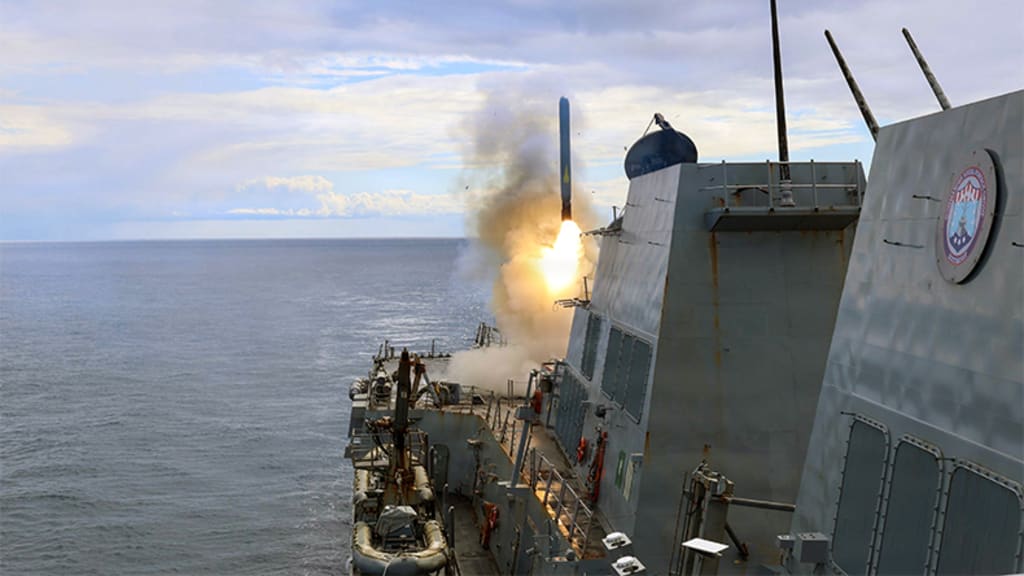
The recent escalation in the Middle East has once again thrust global energy markets into uncertainty. Military strikes by the United States and Israel targeting Iranian infrastructure have triggered fears of disruptions to crude oil supply, sending prices surging toward multi-month highs. As traders and analysts digest the implications, one question looms large: Could oil surpass the $100 per barrel mark?
The significance of this question extends far beyond traders’ screens. Rising oil prices influence inflation, consumer spending, industrial costs, and even global monetary policy. In this article, we break down the dynamics driving oil markets during geopolitical crises and explore what the path toward $100 per barrel might look like.
Why Iran Holds the Key to Oil Market Stability
Iran is not just another oil-producing nation—it is strategically positioned in a region critical to global energy supply. Roughly 20% of the world’s crude oil passes through the Strait of Hormuz, a narrow maritime passage connecting the Persian Gulf to the Gulf of Oman. (The Guardian)
Any threat to this chokepoint immediately reverberates across markets. Even if Iranian production itself remains steady, the risk of tanker disruptions or delayed shipments prompts traders to price in a risk premium. That’s why oil futures spiked dramatically following the news of strikes.
How Oil Prices React to Conflict
Historically, oil markets respond to geopolitical uncertainty in two primary ways:
1. Risk Premiums – Traders add a “conflict premium” to oil prices, anticipating potential supply interruptions.
2. Speculative Activity – Futures markets react instantly, often amplifying price movements beyond what fundamental supply and demand would suggest.
Following the U.S. and Israeli strikes on Iran, Brent crude surged above $80 per barrel, a price point last seen months ago. The rapid reaction illustrates how sensitive markets are to even short-term geopolitical shocks. (Reuters)
What Could Push Prices Beyond $100?
While oil is already trading at elevated levels, several factors could drive it past the $100 mark:
1. Sustained Strait of Hormuz Disruption
The Strait of Hormuz is the most critical chokepoint in global oil supply. If shipping were restricted for days or weeks, millions of barrels would be effectively removed from the market. Even with alternative pipelines in Saudi Arabia and the UAE, the net shortfall could be substantial, potentially triggering a sharp price spike.
2. Prolonged Geopolitical Tension
Analysts note that it is not just the physical disruption that matters, but the perception of ongoing conflict. As uncertainty grows, traders demand higher premiums for risk, which can push oil prices significantly higher—even before actual supply is affected. (Business Insider)
3. Insufficient Global Supply Response
Although OPEC+ has increased production slightly in recent months, this adjustment is modest relative to potential losses from a prolonged Strait of Hormuz closure. Without adequate alternative supply, markets are likely to price in scarcity, contributing to higher crude prices.
What Could Prevent Oil From Breaking $100?
Not all scenarios point to skyrocketing prices. Several factors could moderate the impact:
Diplomatic Resolution: If tensions ease quickly or if Iran and coalition nations negotiate a temporary ceasefire, market risk premiums could fall, stabilizing prices.
Alternate Supply Routes: Pipelines and shipping lanes that bypass the Strait of Hormuz could partially offset disruptions, keeping crude from spiking uncontrollably.
Market Fundamentals: While geopolitical shocks dominate headlines, long-term fundamentals like inventory levels, global production capacity, and alternative energy adoption still influence pricing.
Broader Economic Implications
The possibility of oil exceeding $100 per barrel carries significant consequences for the global economy:
Inflationary Pressures
Higher crude prices translate into increased costs for transportation, manufacturing, and electricity. Consumers face rising gas and utility bills, while businesses confront higher operating expenses. In aggregate, this feeds inflation and can squeeze economic growth.
Stock Market Volatility
Elevated oil prices affect sectoral performance differently. Energy companies typically benefit, while airlines, shipping companies, and fuel-intensive manufacturers often face margin pressures. Equities overall may see heightened volatility as investors react to changing economic conditions.
Policy Challenges
Central banks monitor oil prices closely because energy costs influence inflation. Rapid price increases can limit monetary flexibility, potentially delaying interest rate cuts or even prompting tighter policies—factors that affect borrowing, investment, and consumer spending.
How Investors Should Approach the Situation
For investors and traders, navigating oil market volatility requires strategy:
Stay Informed: Monitor news about the Strait of Hormuz, OPEC+ announcements, and geopolitical developments.
Assess Risk Exposure: Avoid over-leveraging in speculative positions that could be wiped out by sudden price swings.
Diversify Portfolios: Exposure to a mix of commodities, equities, and defensive assets can reduce vulnerability to energy shocks.
Focus on Long-Term Trends: Short-term price spikes are often driven by emotion and headlines. Long-term energy fundamentals and adoption trends should guide investment decisions.
The Bottom Line
The Iran conflict has clearly added upward pressure to oil prices, and surpassing $100 per barrel is no longer a theoretical scenario. While market dynamics, production adjustments, and diplomatic developments will determine the exact trajectory, the possibility of high volatility and elevated energy costs is real.
For consumers, businesses, and investors alike, understanding the drivers behind oil prices—and the interplay between geopolitics and markets—is essential. As history has shown, energy markets are acutely sensitive to global events, and prices can move dramatically in response to perceived risk as well as actual supply changes.
Whether oil eventually breaches the $100 threshold or stabilizes near current levels, the Iran conflict serves as a potent reminder: geopolitical events have a direct and immediate impact on global markets and the cost of energy that affects everyone.
About the Creator
Asad Ali
I'm Asad Ali, a passionate blogger with 3 years of experience creating engaging and informative content across various niches. I specialize in crafting SEO-friendly articles that drive traffic and deliver value to readers.




Comments
There are no comments for this story
Be the first to respond and start the conversation.