
Yoan Iglev Reveals the Influence of Classical Art in Contemporary Murals
Bulgarian artist Yoan Iglev blends classical painting techniques with modern murals, creating public art that reflects culture, history, and community.
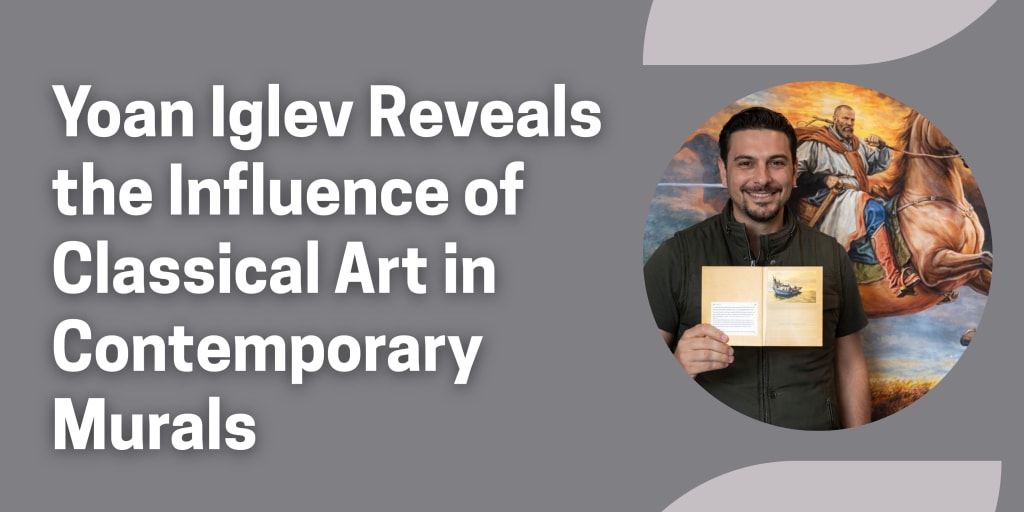
Public art has the ability to change how people experience a city. Large murals on walls can turn simple buildings into meaningful cultural spaces. One artist who has contributed to this form of art is Yoan Iglev, a Bulgarian painter known for creating monumental murals and artistic mosaics.
His work shows how traditional artistic skills can still play an important role in modern public art. By combining classical techniques with modern ideas, Iglev creates murals that connect history, culture, and contemporary society.
The Early Artistic Training of Yoan Iglev
Every artist develops their style through education and practice. Iglev studied at the National Academy of Art in Sofia, one of the leading art schools in Bulgaria.
At the academy, students learn classical art skills such as drawing, painting, composition, and understanding the human figure. These methods have been used by artists for many generations and form the base of traditional European art.
This training helped Iglev build strong technical skills. These skills can be seen clearly in his murals, where the figures, shapes, and layouts are carefully designed.
Bringing Classical Art into Modern Murals
Many people think of murals as modern street art. However, Iglev approaches murals with the knowledge and discipline of classical painting.
Instead of focusing only on bright colors or bold shapes, his murals often include thoughtful composition and storytelling. These ideas come from classical art traditions, where artists carefully arranged every part of a painting.
By using these methods in large public murals, Iglev shows that classical art techniques can still work well in modern environments.
Murals That Tell Stories
One important feature of Iglev’s work is storytelling. Classical paintings often showed scenes from history, daily life, or mythology. In a similar way, Yoan Iglev uses his murals to explore cultural and social themes.
His artworks often focus on topics such as:
- Cultural identity
- Local history
- Community values
- Human experiences
Through these themes, his murals invite people to think about the stories behind the places where they live.
Because murals are painted in public areas, many people can see and connect with the artwork. This makes public art an important way to share ideas with a wide audience.
The Skill Behind Large-Scale Murals
Painting a mural on a large wall is very different from painting on a canvas. It requires careful planning and strong technical skills.
Iglev’s classical training helps him manage these challenges. Before starting a mural, artists must think about size, perspective, and how the artwork will look from a distance.
Some important elements of mural creation include:
- Planning the composition for a large surface
- Choosing colors that remain visible from far away
- Designing figures and shapes that fit the space
These skills help ensure that the mural looks balanced and clear when people view it in public spaces.
Public Art Across Different Countries
Over the years, Yoan Iglev’s murals and mosaics have appeared in cities across Europe and North America.
Working in different countries allows an artist to experience various cultures and communities. Iglev often considers the history and identity of a place when creating a mural there.
This approach helps his artworks feel connected to the location rather than separate from it. Each mural becomes part of the environment and the community that surrounds it.
Why Murals Matter in Modern Cities
Murals have become an important part of modern urban culture. They help transform empty walls into spaces of creativity and expression.
Public art can also help people feel more connected to their neighborhoods. When a mural reflects local culture or history, it becomes a shared symbol for the community.
Artists like Yoan Iglev contribute to this process by creating thoughtful artworks that respect both artistic traditions and modern ideas.
Helping the Next Generation of Artists
In addition to creating murals, Iglev also supports young artists. He participates in mentorship programs, workshops, and collaborative projects.
These activities give new artists the chance to learn practical skills and gain experience in mural painting.
Workshops and collaborations often focus on:
- Learning painting techniques
- Understanding mural design
- Working together on large art projects
By sharing his knowledge, Iglev helps encourage creativity and supports the growth of future artists.
Classical Art in Today’s Public Spaces
Some people may think classical art belongs only in museums. However, Iglev’s work shows that traditional techniques can still be meaningful in modern settings.
Classical training gives artists a strong understanding of composition, proportion, and storytelling. When these skills are combined with modern themes, the result can be powerful public artwork.
Murals created in this way feel both familiar and new. They respect artistic traditions while also reflecting the world we live in today.
Conclusion
The work of Yoan Iglev demonstrates how classical art can continue to influence contemporary murals. Through strong technical skills, thoughtful themes, and large-scale public projects, he connects traditional art with modern culture.
His murals show that public art can do more than decorate buildings. It can tell stories, reflect history, and create connections between people and their communities.
As cities continue to support public art, artists who combine classical knowledge with modern creativity will help shape the future of murals around the world.
About the Creator
Keep reading
More stories from Mark Walker and writers in Journal and other communities.
Geoff Cash Explains How Strong Sales Leadership Improves Team Productivity
Sales teams often focus on targets, deals, and revenue. But real productivity in sales does not come only from pressure or strict goals. It comes from strong leadership that gives direction, support, and clear guidance. According to Geoff Cash, good sales leadership helps teams stay organized, motivated, and focused on the right activities.
By Mark Walkerabout 8 hours ago in Journal
Becca
"Everything is so... flat." Denille said stupidly as she looked around her new neighborhood. She looked around at the muted desert where even the smallest sign of life seemed to have given up. The plant life was shrubs that were half cooked by the heat and where there should have been a lawn, a mess of white rocks laid glistening in the sun. Even the sky looked stretched thin, like the sun had ironed it smooth. She’d moved from Riverside, where at least there were hills, but here in Barstow, everything felt baked and brittle.
By Sara Wilsonabout 16 hours ago in Fiction




Comments
There are no comments for this story
Be the first to respond and start the conversation.