
Pregnancy Test During Period – Can You Conceive When Bleeding?
Can I Take a Pregnancy Test When on My Period?

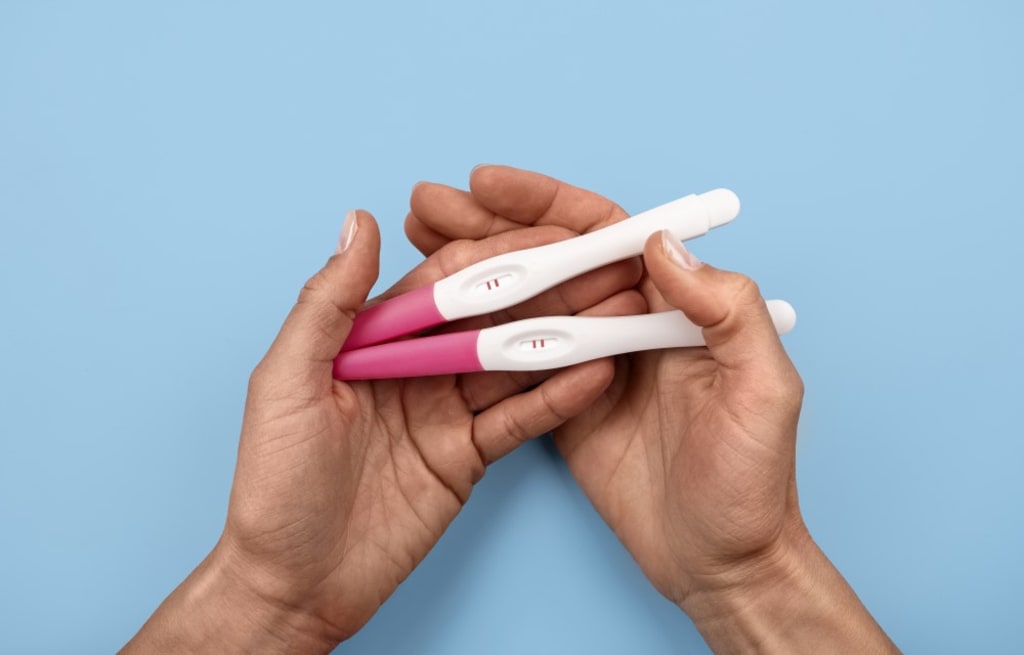
During menstruation, women experience vaginal bleeding for a few days. This is a biological activity where the body expels the unfertilized eggs following a cycle. The menstrual blood usually contains the uterine lining and eggs that have never been fertilized by sperm. A pregnancy while you are on your period is usually not possible.
· However, if you still want to know if you have conceived, you can go ahead without any second thoughts. There are several reliable and instant pregnancy test kits available at the nearest pharmacy or grocery store.
· So, many have a question – can I take a pregnancy test when on my period using home pregnancy kits? Yes, you can.
· These kits may require your urine sample to detect pregnancy. You do not have to worry about blood mixing with your urine affecting the pregnancy test results.
Let us understand more about bleeding during a pregnancy and the relevant pregnancy tests involved.
Can I take a pregnancy test when on my period?
Having a period itself is a sign that perhaps you have not conceived yet. The pregnancy kits available at stores detect the human chorionic gonadotropin (hCG) – a pregnancy hormone, in the urine to tell if there is a pregnancy.
· In the initial 8 to 10 weeks of pregnancy, the placenta rapidly produces hCG, which starts to gradually decline later in the conception phase.
· So, the first day of the missed period, which is generally the 10th day past ovulation, the urine carries sufficient levels of this hormone for a pregnancy test kit to detect it.
· When letting the urine droplets on the pregnancy test strip, even if there is the presence of blood from your period, it will not mess with the test outcomes.
· In case the pregnancy check tests positive, yet you are on your period, you may have to understand why you are still bleeding.
Can I Bleed During the Early Stages of a Pregnancy?
If you are pregnant, you may not actually have a real period. However, if you are pregnant and experiencing something like a period, here is what may be the responsible factor:
1. Implantation Bleeding
When a fertilized egg attaches to the endometrial lining in the uterus, something called ‘implantation bleeding’ may occur. The bleeding, as a result, is light or mild spotting. Testing for pregnancy at this stage may not always give you a positive result for conception. It is possible for the implantation timing to coincide with the date when the period is expected.
Since implantation bleeding lasts for a short time and has a lighter color than menstrual blood, you may easily distinguish between the two. Also, this bleeding will not contain blood clots or resemble a heavy flow of a period.
2. Ectopic Pregnancy
If an egg fertilizes but is attached outside the uterus – usually the cervix, fallopian tube, or abdominal cavity, among other locations – it is said to be an ectopic pregnancy. You may experience heavy or light bleeding with sharp waves of pain in the pelvis, abdomen, neck, or shoulder. You may also encounter fainting, rectal pressure, or dizziness.
An ectopic pregnancy must be addressed immediately and treated. Otherwise, it can cause fertility problems in the future as well as excessive bleeding, causing a life risk. Such a pregnancy may rupture the site where it has been implanted. Also, it cannot be continued to the full term.
3. Cervical Alterations
Cervical irritation is possible during sexual activity or vaginal exams for pregnancy or other needs, leading to a small amount of bleeding. Sometimes, polyps in the area can become irritated or inflamed, causing limited bleeding.
4. Molar Pregnancy
If a pregnancy happens with a genetic material imbalance, it is known as a molar pregnancy. The usual cause of egg fertilization by multiple sperms, or without much genetic details due to multiple fertilization of the same egg. This leads to the development of an abnormal mass of cells in the uterus, leading to either an incomplete or complete pregnancy, but not a viable one.
If you have a molar pregnancy, there is a risk of dark brown or bright red bleeding along with lower back pain, vomiting, or nausea. If untreated, this pregnancy can turn to be life-threatening or cancerous due to profuse bleeding and cell multiplication.
5. Early Miscarriage
Heavy bleeding may not happen because of a period, but an early miscarriage or loss of pregnancy. The symptoms may also include severe back pain or abdominal cramping. Early miscarriage signs are similar to those of a period or pregnancy. However, the blood flow may also contain large clots. If you encounter unusual bleeding like this, seek medical attention right away.
6. Infection
Sometimes, uterine bleeding has no connection to menstruation or pregnancy. However, it can occur due to pelvic infection, or an infection of the urinary tract or bladder. A yeast infection can also lead to bleeding, usually light red or pink in color. The blood flow is light or spotting.
7. Subchorionic Hemorrhage
If you experience cramping and pain in the lower abdomen along with bleeding, perhaps there is a pregnancy with a hemorrhage issue. Here, the placenta may move away from its original position, no longer attached to the uterus wall. The bleeding can be light or heavy.
The subchorionic hemorrhage color varies from brown to red or pink, depending on how severely the placenta is detached from the implantation site. It is best to seek medical attention right away to check for complications, as miscarriage may follow if the hemorrhage is not managed in time.
Conclusion – Pregnancy Test Results When Bleeding
When contemplating whether I can take a pregnancy test when on my period, you must keep in mind the above possibilities for a pregnancy and bleeding coexisting together. If the pregnancy test is positive and you are still bleeding, it is a warning sign that something is not right. Consult a doctor to understand why you are bleeding.
A pregnancy during a normal period is not otherwise possible. You may have to undergo an ultrasound, blood tests, and further tests for the doctor to diagnose what is the cause of the bleeding, if there is a health issue or a pregnancy behind it.
About the Creator
Jessica Perry
Safeabortionrx provides safe, prescribed abortion pills online with 24/7 free consultations service for a successful medication abortion.
Keep reading
More stories from Jessica Perry and writers in Lifehack and other communities.
A Parent’s Guide to Fun Kids Birthday Parties in Philadelphia
Planning a birthday party for your child is always exciting, but it can also feel overwhelming for many parents. Every parent wants to create a memorable celebration that is fun, safe, and enjoyable for both children and guests. From choosing the right theme to organizing activities and food, there are several details to consider when preparing for a birthday celebration.
By Sophie Blogsabout 2 hours ago in Lifehack



Comments
There are no comments for this story
Be the first to respond and start the conversation.