
Deadly Clashes in Lebanon as Israel Renews Search for Missing Airman
Escalating fighting between Israeli forces and Hezbollah intensifies as Israel launches new operations in Lebanon while continuing the decades-long search for a missing pilot.
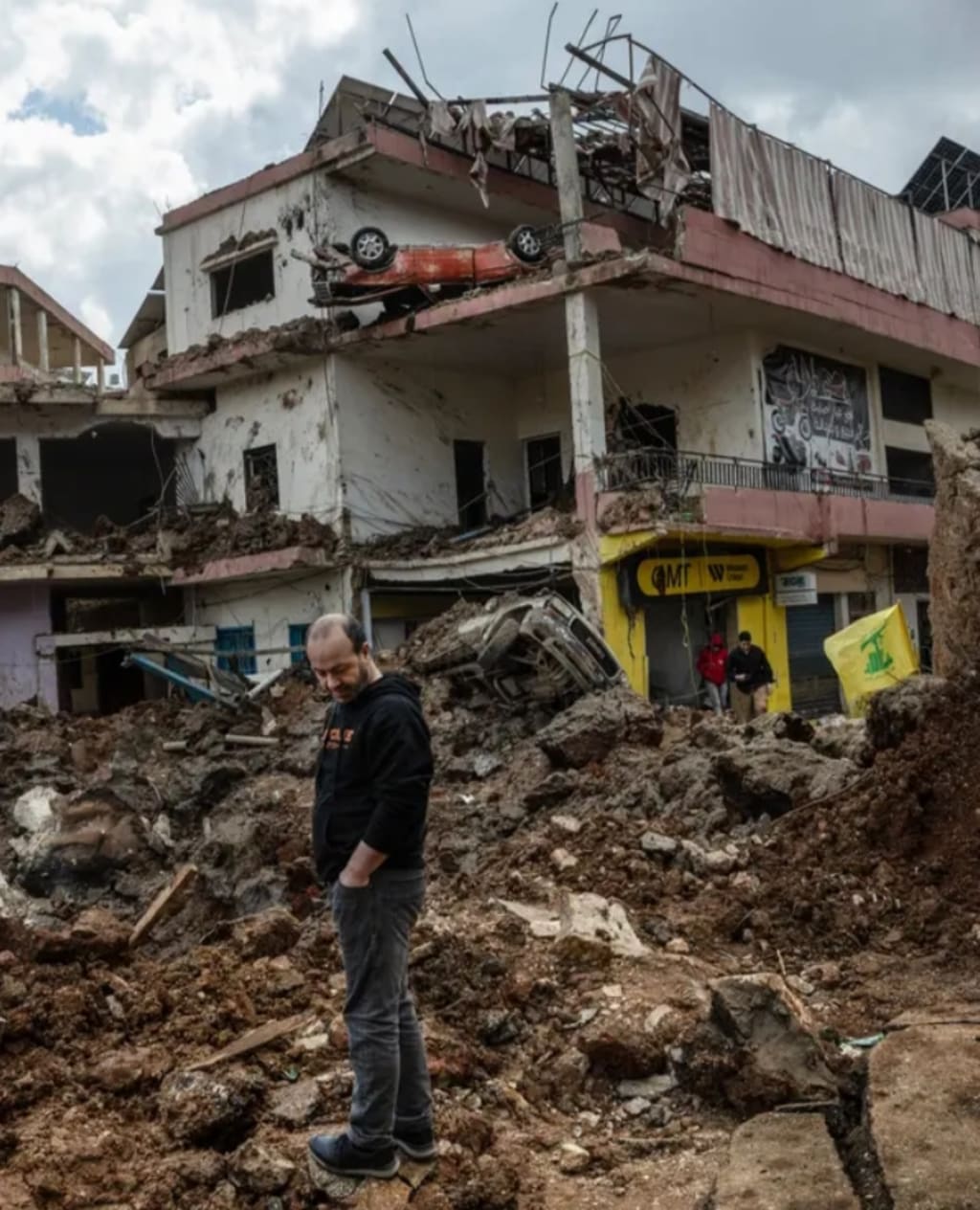
Violence has once again surged along the Israel–Lebanon border as Israeli forces carry out renewed military operations in southern Lebanon. The clashes come as Israel intensifies efforts to locate a long-missing airman believed to have disappeared during earlier conflicts in the region. The renewed search has reignited tensions with the Lebanese militant group Hezbollah and triggered deadly confrontations that threaten to widen the ongoing conflict in the Middle East.
The situation highlights the long and complicated history between Israel and Lebanon, where unresolved military incidents from past wars continue to influence present-day security decisions.
Rising Violence Along the Border
The latest wave of fighting began after Israeli forces launched operations in southern Lebanon aimed at targeting militant positions believed to belong to Hezbollah. The group, which is backed by Iran, has long maintained a strong presence near the border with Israel.
According to reports from the region, artillery exchanges and airstrikes have intensified over several days, causing casualties among fighters and civilians. Several towns near the border have been hit by explosions, forcing residents to seek shelter or flee to safer areas.
Israeli officials say the military campaign is designed to weaken Hezbollah’s ability to launch rockets into Israeli territory and to disrupt militant infrastructure near the frontier.
However, Hezbollah fighters have responded with their own rocket and missile attacks, leading to a cycle of retaliation that has heightened fears of a larger war.
The Search for a Missing Airman
Amid the military escalation, Israel has renewed efforts to locate a pilot who disappeared during a past mission over Lebanon decades ago. The airman, widely believed to be Ron Arad, was captured after his aircraft went down during a mission in 1986.
Arad’s disappearance has remained one of Israel’s most enduring military mysteries. For nearly four decades, the Israeli government and military have pursued information about his fate, conducting intelligence operations and negotiations with various groups believed to have been involved in his capture.
Although multiple investigations have taken place over the years, no definitive proof of Arad’s fate has ever been publicly confirmed.
Israeli officials say new intelligence has prompted the latest search effort in Lebanon, leading to renewed operations in areas where information suggests clues may exist.
Hezbollah’s Role in the Conflict
Hezbollah, formally known as Hezbollah, has denied holding any information about the missing Israeli airman.
The group emerged in the 1980s during Lebanon’s civil war and has since grown into one of the most powerful non-state military organizations in the Middle East.
Backed by Iran, Hezbollah maintains a large arsenal of rockets and missiles and plays a significant role in Lebanese politics.
Israel considers Hezbollah a major security threat, accusing it of storing weapons in civilian areas and preparing for potential attacks on Israeli cities.
The current clashes demonstrate how unresolved issues from past conflicts continue to shape relations between the two sides.
A Long History of Tension
The Israel–Lebanon border has experienced repeated cycles of conflict for decades.
One of the most significant confrontations occurred during the 2006 Lebanon War, when fighting between Israeli forces and Hezbollah lasted more than a month and caused widespread destruction in Lebanon.
Since then, tensions have remained high despite periodic ceasefires.
The border region is monitored by the United Nations Interim Force in Lebanon, commonly known as UNIFIL. The peacekeeping mission was established to help maintain stability along the border and prevent renewed hostilities.
However, recent events suggest that the fragile balance in the region may once again be under strain.
Civilian Impact of the Clashes
As military operations intensify, civilians in southern Lebanon are bearing the brunt of the violence.
Airstrikes and artillery exchanges have damaged homes, roads, and infrastructure in several communities. Local authorities report that hospitals are treating casualties from the clashes, while humanitarian organizations are warning about the risk of further displacement if fighting continues.
Many residents in the border region have already experienced multiple conflicts over the years and are now facing the possibility of another prolonged crisis.
Israeli communities near the border have also taken precautions, with authorities advising residents to remain close to shelters due to the threat of incoming rockets.
Regional Implications
The renewed clashes come at a time when tensions across the Middle East are already running high.
The broader conflict involving Israel and Iran has heightened concerns that fighting in Lebanon could become part of a wider regional confrontation.
Hezbollah is widely considered one of Iran’s most powerful regional allies, and any escalation between Israel and Hezbollah could draw additional actors into the conflict.
International observers worry that continued fighting could destabilize Lebanon, a country already struggling with severe economic challenges and political instability.
Diplomatic Efforts to Prevent Escalation
In response to the growing violence, international leaders and organizations are calling for restraint.
Diplomatic channels are reportedly working behind the scenes to prevent the situation from escalating into a full-scale war.
The United Nations has urged all parties to respect existing ceasefire arrangements and avoid actions that could endanger civilian populations.
Meanwhile, regional powers are monitoring the situation closely, aware that any major conflict between Israel and Hezbollah could have far-reaching consequences for the entire Middle East.
The Emotional Weight of the Search
For many Israelis, the renewed search for Ron Arad carries deep emotional significance.
The case has long symbolized the country’s commitment to bringing home missing soldiers or discovering the truth about their fate. Families of missing servicemen often receive strong public support, and governments have historically devoted significant resources to investigating such cases.
The renewed search therefore represents more than a military operation—it reflects a national promise that missing personnel will not be forgotten.
An Uncertain Path Forward
As clashes continue in southern Lebanon, the situation remains volatile.
Israel’s determination to uncover the fate of its missing airman has coincided with broader military tensions involving Hezbollah and Iran. This combination has created a dangerous environment where even limited operations can trigger larger confrontations.
For now, both sides appear locked in a cycle of retaliation that shows little sign of immediate resolution.
Whether diplomatic efforts can prevent further escalation remains uncertain. What is clear, however, is that unresolved issues from past conflicts continue to shape the security landscape of the Middle East today.
And until those questions are answered—including the fate of a missing pilot lost decades ago—the region may remain vulnerable to renewed violence.
About the Creator
Parallel Protests
I haven't written for quite some time, but I have A LOT of thoughts about yesterday's protest rally against our government's involvement and complicity in America's war on Iran, on the harbourside of my home city Bristol, and I need to put them somewhere. My gorgeous girlfriend is always a loving and listening ear and sharing it all with her will always be a healthy and happy way of processing the mental and emotional weight, but getting it straight in my brain to share means writing it all down in straight lines, so, here we are and thanks for being here.
By Steph Cole6 days ago in The Swamp
Doing the Wash
Congress. An entity of our government that is supposed to be working for us, is just a money laundering criminal endeavor. If you aren't paying attention to what our government does, then you are part of the problem.Money laundering is a crime, and we are funding it.
By Alexandra Grant2 days ago in The Swamp


Comments
There are no comments for this story
Be the first to respond and start the conversation.