
Here's when you can see the rare blood moon lunar eclipse in LA
Date, Time, and Best Viewing Spots for Southern California Skywatchers
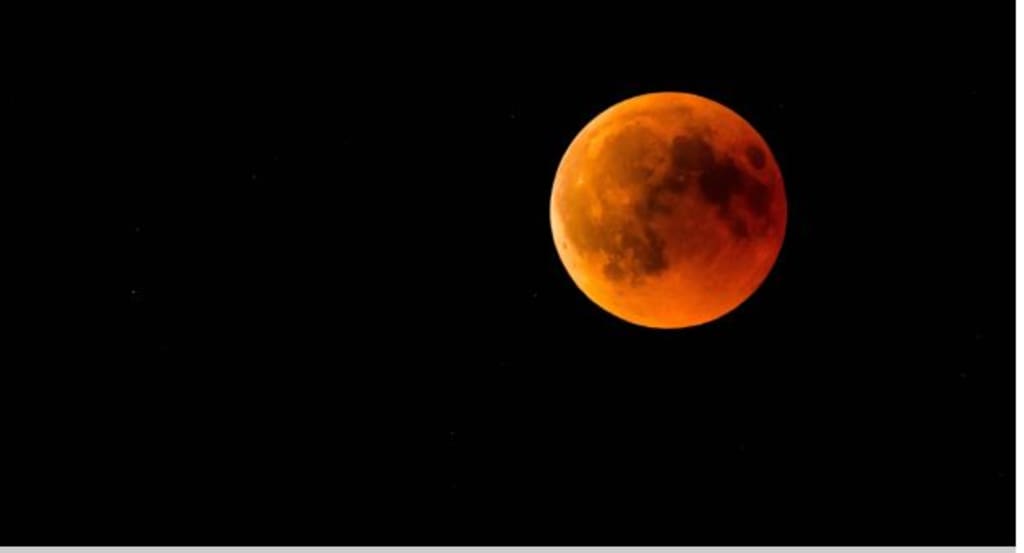
If you live in Los Angeles, get ready to set your alarm — because the sky is about to deliver one of the most breathtaking celestial shows of the year. A rare Blood Moon total lunar eclipse will soon be visible across Southern California, transforming the familiar glow of the full moon into a deep, coppery red.
Unlike meteor showers that require patience or solar eclipses that demand special eye protection, a lunar eclipse is simple, safe, and unforgettable. All you need to do is step outside and look up.
Here’s everything you need to know about when and how to watch it.
What Is a Blood Moon?
A Blood Moon occurs during a total lunar eclipse, when Earth moves directly between the Sun and the Moon. As sunlight passes through Earth’s atmosphere, shorter blue wavelengths scatter while longer red wavelengths bend toward the Moon. The result? The Moon glows in shades of red, orange, and sometimes deep amber.
It’s not just visually stunning — it’s a powerful reminder of how perfectly aligned our cosmic neighborhood can be.
Unlike solar eclipses, lunar eclipses are completely safe to view with the naked eye. No filters. No protective glasses. Just you and the night sky.
When to Watch in Los Angeles
The upcoming lunar eclipse will take place late at night and into the early morning hours. Here’s how the timeline unfolds in Pacific Time:
12:44 a.m. – Penumbral eclipse begins (subtle shading starts)
1:50 a.m. – Partial eclipse begins (a visible shadow appears)
3:04 a.m. – Totality begins (the Moon turns red)
3:04 – 4:03 a.m. – Best viewing window
5:17 a.m. – Partial eclipse ends
6:23 a.m. – Eclipse concludes near sunrise
The most dramatic moment happens between 3:00 a.m. and 4:00 a.m., when the Moon is fully immersed in Earth’s shadow.
Yes, it’s early. But it’s worth it.
Why This Eclipse Is Special
Total lunar eclipses don’t happen every month. In fact, this is one of the few fully visible eclipses for North America this year. The next comparable event won’t occur for quite some time.
Several factors make this eclipse especially exciting:
It will be visible from start to finish in Southern California.
Weather conditions in March often provide clear night skies.
The Moon will sit high enough in the sky during totality for optimal viewing.
Moments like this don’t just captivate astronomers — they bring casual skywatchers outside in awe.
Best Places to Watch in Los Angeles
The good news? You can see the eclipse from anywhere with a clear view of the sky. But if you want to elevate the experience, consider heading to one of these spots:
Griffith Observatory
The iconic Griffith Observatory offers sweeping views of both the city skyline and the open sky. Even if you don’t attend a formal viewing event, the surrounding hills provide darker skies compared to street level.
Santa Monica Beach
Open western horizons make coastal areas ideal for watching as the Moon lowers toward dawn. The ocean backdrop adds a dramatic visual effect.
Griffith Park Trails
Higher elevations mean less light pollution and a wider sky view. If you’re comfortable hiking in the dark, it can be a peaceful way to experience the eclipse.
Your Backyard or Balcony
Don’t underestimate the convenience of staying home. As long as buildings or trees aren’t blocking your line of sight, you’ll have a front-row seat.
Tips for the Best Viewing Experience
Even though you don’t need special equipment, a few simple steps can make the night even better:
1. Check the Weather
Cloud cover is your biggest obstacle. Clear skies are essential, so keep an eye on the forecast in the days leading up to the event.
2. Arrive Early
The eclipse unfolds gradually. Watching the shadow creep across the Moon adds to the magic.
3. Use Binoculars
While not necessary, binoculars enhance detail and let you observe subtle color variations during totality.
4. Bring a Blanket or Jacket
Even in Southern California, early mornings can be chilly.
5. Try Photography
If you have a tripod and a smartphone with night mode, you can capture surprisingly good shots. DSLR cameras with long exposures will reveal even richer red tones.
The Science Behind the Red Glow
The reddish hue isn’t random. It depends on atmospheric conditions across Earth at the time of the eclipse. Dust, pollution, and volcanic particles can intensify or darken the shade.
That means every Blood Moon looks slightly different.
Organizations like NASA closely study these events, using them to better understand atmospheric science and planetary alignment. For scientists, it’s more than a visual spectacle — it’s valuable data.
Why People Love Lunar Eclipses
There’s something deeply emotional about seeing the Moon change color in real time. It connects us to centuries of skywatchers who once viewed eclipses as omens or divine signs.
Today, we understand the science. Yet the wonder remains.
In a city known for bright lights and nonstop activity, a lunar eclipse offers a rare pause. For an hour, traffic slows, phones tilt upward, and strangers share a common moment of awe.
It’s a reminder that even in one of the busiest cities in the world, the universe still has the final word.
Final Thoughts
The rare Blood Moon lunar eclipse visible in Los Angeles is more than just a late-night event — it’s an experience. It’s a chance to witness the precision of cosmic mechanics and to step away from daily routines.
Set your alarm. Step outside. Look up.
For one quiet hour in the early morning, the Moon will glow red above Southern California — and you’ll be watching history unfold in the sky.
Don’t sleep through it.
About the Creator
The Saddest Thing - The Billionaires Who Rule America Aren't Even Enjoying Themselves
This single post says more about our ruling class than a thousand policy papers. The saddest thing about today's system is that the men robbing the rest of us - sabotaging our economic prospects, our pensions, our access to affordable healthcare - are not even happy.
By Scott Christenson🌴24 days ago in The Swamp
Staying sane in the insane world.
”It is no measure of health to be well adjusted to a profoundly sick society.” Jiddu Krishnamurti This quote has been one of my favourites since the moment I first laid my eyes on it. To me, it cuts right through the fog of the illusion of normality that permeates our lives. And since I am someone who has never felt (well) adjusted to this society, Krishnamurti’s words gifted me with the realisation that there isn’t anything inherently wrong with me.
By Eva Smitte4 days ago in Humans



Comments
There are no comments for this story
Be the first to respond and start the conversation.