
Indonesia Says It Will Withdraw From Board of Peace if It Does Not Benefit Palestinians
Indonesia signals conditional participation in international peace efforts, prioritizing Palestinian rights. Jakarta demands tangible outcomes for Palestinians or threatens withdrawal from the peace initiative. Middle East conflict pressures Indonesia to reconsider its role on the Board of Peace. Government and religious leaders call for concrete benefits for Palestinians before continuing participation. Indonesia stakes its position: Palestinian welfare is non-negotiable in global peace talks.

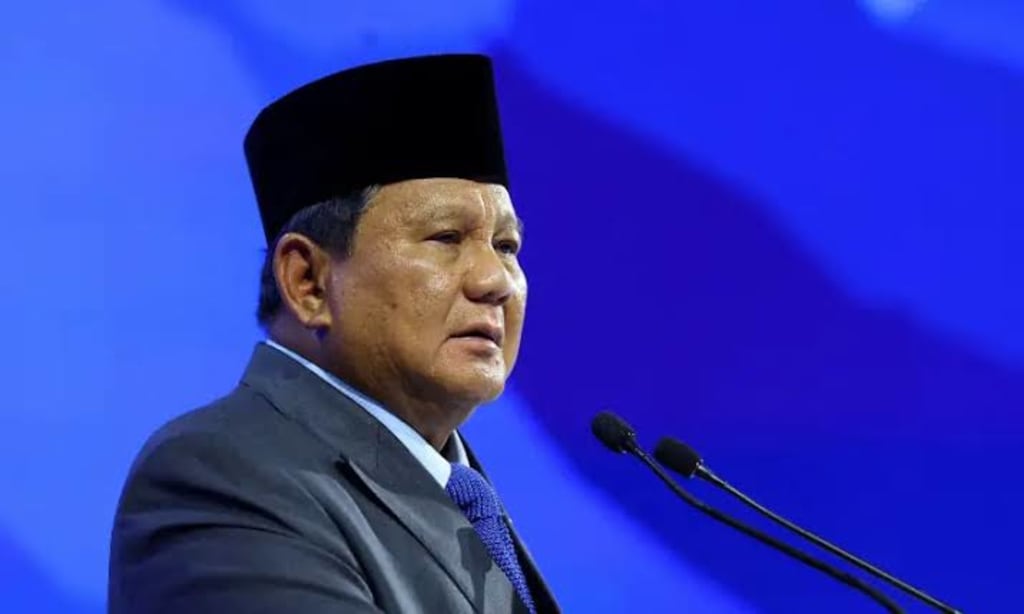
Indonesia has escalated its diplomatic stance regarding its participation in the U.S.‑led Board of Peace, warning that it will withdraw from the international initiative if it fails to benefit the Palestinian people or serve Indonesian national interests. The announcement, made on March 6, 2026, reflects growing domestic unease in the world’s largest Muslim‑majority nation over its role in the platform and its implications for longstanding support for Palestinian rights.
The Board of Peace is a multilateral initiative championed by Donald Trump and backed by several countries, including Indonesia. It was conceived as a mechanism to help stabilize Gaza, support reconstruction efforts, and promote broader peace in the Middle East — particularly after long years of conflict. However, recent criticism from religious groups and civil society in Indonesia has placed increasing pressure on the government to reassess its involvement.
Domestic Criticism Fuels Pushback
The Indonesian government’s commitment to the Board of Peace has drawn criticism from several influential groups at home, including the Indonesian Ulema Council and Nahdlatul Ulama, the country’s largest Muslim organization. Critics argue that joining the peace board, particularly with the backdrop of U.S. military involvement in the Middle East and the ongoing Iran conflict, risks diluting Jakarta’s historic support for the Palestinian cause.
In a meeting with more than 160 Islamic scholars held at the Presidential Palace in Jakarta, President Prabowo Subianto reassured group leaders that Indonesia’s participation is conditional upon tangible benefits for the Palestinians. Deputy Chair of the Indonesian Ulema Council, Cholil Nafis, said that Prabowo was “determined to direct the board toward Palestinian independence” and reiterated that Indonesia stood ready to withdraw if the platform fails to advocate effectively for that goal.
“This commitment is not symbolic,” Nafis told reporters after the gathering. “If the Board of Peace does not advance Palestinian independence or align with national interests, Indonesia will reconsider its involvement.”
Balancing Diplomacy and Domestic Expectations
Indonesia’s position highlights the delicate balancing act its leaders face between international diplomacy and domestic public opinion. While the government sees engagement in the Board of Peace as a way to influence international discussions on Gaza reconstruction and peacebuilding, critics argue that the initiative’s connection with U.S. policy — particularly amid ongoing hostilities involving the United States, Iran, and Israel — undermines the neutrality and moral weight of the effort.
Following the board’s initial meeting in Washington earlier this year, Indonesia agreed to contribute troops to a proposed Gaza stabilization force — a move that alarmed many supporters of Palestinian independence, who feared that military involvement could compromise Jakarta’s long‑standing solidarity with Palestinian rights.
Moreover, some opposition voices in Indonesia say that Jakarta should instead amplify Palestinian interests through other international institutions such as the United Nations and the Organization of Islamic Cooperation (OIC), rather than a U.S.‑led body perceived as too closely aligned with Western political objectives.
Regional Conflict Casts Shadow Over Peace Efforts
The broader geopolitical context has further complicated Indonesia’s position. Regional tensions, including the ongoing military campaign involving the United States and Israel against Iran, have heightened skepticism among Indonesian religious and civil groups about the Board of Peace’s effectiveness and credibility. Many argue that true peace and rights for Palestinians cannot be addressed independently of wider regional hostilities.
Indonesian Foreign Minister Sugiono has acknowledged that all discussions within the Board of Peace are currently on hold due to the Iran war, underscoring how wider Middle East instability has impacted diplomatic initiatives aimed at resolving the Gaza conflict.
A Broader Message on Sovereignty and Solidarity
Indonesia’s conditional stance underscores its leaders’ emphasis on respecting national sovereignty and aligning foreign policy with public sentiment. For many Indonesians, support for Palestinian statehood and rights is not merely diplomatic rhetoric but a deeply held national principle rooted in decades of moral and religious solidarity.
Religious organizations such as the Indonesian Ulema Council and Nahdlatul Ulama have played key roles in shaping public discourse, stressing that any international engagement must prioritize Palestinian aspirations above geopolitical alliances. At the same time, some government officials believe Indonesia’s role on the board could be strategically utilized to push for de‑escalation in the Middle East and bring voices from the Global South into peace discussions.
What Comes Next
As Indonesia signals its willingness to withdraw from the Board of Peace unless meaningful outcomes for Palestinians are shown, diplomatic observers are watching closely. Jakarta’s stance may prompt other countries to reevaluate their involvement or push for reforms within the peace initiative. It also reflects a broader trend among Global South nations seeking to assert greater autonomy in international forums and insist that peace efforts address the core concerns of affected populations.
For now, Indonesia’s conditional participation sends a clear message: global peace initiatives must demonstrably benefit those they aim to serve — especially in conflicts with profound humanitarian consequences.
About the Creator
Fiaz Ahmed
I am Fiaz Ahmed. I am a passionate writer. I love covering trending topics and breaking news. With a sharp eye for what’s happening around the world, and crafts timely and engaging stories that keep readers informed and updated.
Keep reading
More stories from Fiaz Ahmed and writers in The Swamp and other communities.
Israel–Iran Attack: Rising Tensions Shake the Middle East
The long-standing rivalry between Israel and Iran has erupted into a major military confrontation, raising fears of a wider war across the Middle East. Over the past week, the region has witnessed intense airstrikes, missile launches, and retaliatory attacks that have drawn global attention and concern. The latest escalation began when Israel launched a large-scale military operation targeting Iranian military and strategic facilities. The strikes were part of a coordinated campaign known as Operation Lion’s Roar, which involved precision airstrikes against key locations in Tehran and other cities. The operation reportedly targeted missile bases, command centers, and facilities connected to Iran’s military infrastructure. Israeli officials said the attacks were aimed at preventing what they described as an imminent threat from Iran’s missile and nuclear programs. Israel has long accused Tehran of attempting to expand its military influence in the region and of supporting armed groups hostile to Israel. Iranian leaders have repeatedly denied seeking nuclear weapons, but tensions over the issue have remained high for years. In response to the strikes, Iran launched a wave of retaliatory missile and drone attacks targeting Israeli territory and regional military sites. Sirens sounded across several Israeli cities as air defense systems were activated to intercept incoming projectiles. Although many missiles were reportedly intercepted, some managed to strike near urban areas, causing damage and injuries. The conflict intensified further after reports emerged that Iran’s Supreme Leader, Ali Khamenei, was killed in a targeted airstrike during the early phase of the operation. The strike was part of a broader attempt to weaken Iran’s command structure during the escalating conflict. Following the attack, Iran declared that it would continue to retaliate against Israel and its allies. Iranian officials warned that any further attacks would trigger a broader regional response. As a result, military forces in several neighboring countries have been placed on high alert. The situation has also drawn in the United States, which has supported Israeli operations and carried out additional strikes against Iranian targets. According to reports, U.S. forces have attacked hundreds of sites believed to be connected to Iran’s military and security infrastructure. At the same time, political tensions inside the United States have grown. Lawmakers in Washington debated whether the president should have sought congressional approval before launching military operations. A resolution aimed at limiting the president’s war powers was narrowly rejected in the House of Representatives, reflecting deep divisions over the conflict. The conflict has also triggered reactions from groups allied with Iran. In Lebanon, the militant group Hezbollah began launching attacks toward northern Israel, opening another front in the conflict. These developments have raised fears that the fighting could spread across several countries in the region. Meanwhile, Israel has declared a nationwide state of emergency as authorities prepare for possible further missile strikes. Schools have been closed, public gatherings restricted, and thousands of military reservists mobilized to strengthen defenses. The humanitarian impact of the conflict is already severe. Reports indicate that hundreds of people have been killed and thousands injured as airstrikes continue across Iran and missile attacks hit Israeli cities. Civilian infrastructure has also been damaged, and international organizations are warning that the situation could deteriorate further if hostilities continue. Global leaders are now urging both sides to exercise restraint and return to diplomatic negotiations. Many fear that continued escalation could destabilize the entire Middle East, disrupt global energy supplies, and increase the risk of a much larger international conflict. For now, the Israel-Iran confrontation remains one of the most dangerous geopolitical crises in recent years. As missiles continue to fly and diplomatic efforts struggle to gain traction, the world is watching closely to see whether the situation will move toward peace—or spiral into a prolonged regional war.
By Fiaz Ahmed 3 days ago in The Swamp
Parallel Protests
I haven't written for quite some time, but I have A LOT of thoughts about yesterday's protest rally against our government's involvement and complicity in America's war on Iran, on the harbourside of my home city Bristol, and I need to put them somewhere. My gorgeous girlfriend is always a loving and listening ear and sharing it all with her will always be a healthy and happy way of processing the mental and emotional weight, but getting it straight in my brain to share means writing it all down in straight lines, so, here we are and thanks for being here.
By Steph Cole6 days ago in The Swamp
U.S.-Israeli Strikes in Iran and Reactions From Around the World
The Middle East once again became the center of global attention after joint military strikes by the United States and Israel targeted strategic locations inside Iran. These strikes marked one of the most dramatic escalations between the three nations in decades and triggered widespread political, economic, and humanitarian reactions across the globe.
By Sajida Sikandar7 days ago in The Swamp


Comments
There are no comments for this story
Be the first to respond and start the conversation.