
Iran Conflict: Israel Targets Hezbollah in Lebanon
As regional tensions escalate, Israeli airstrikes on Hezbollah positions in Lebanon signal a dangerous widening of the Iran-linked conflict.
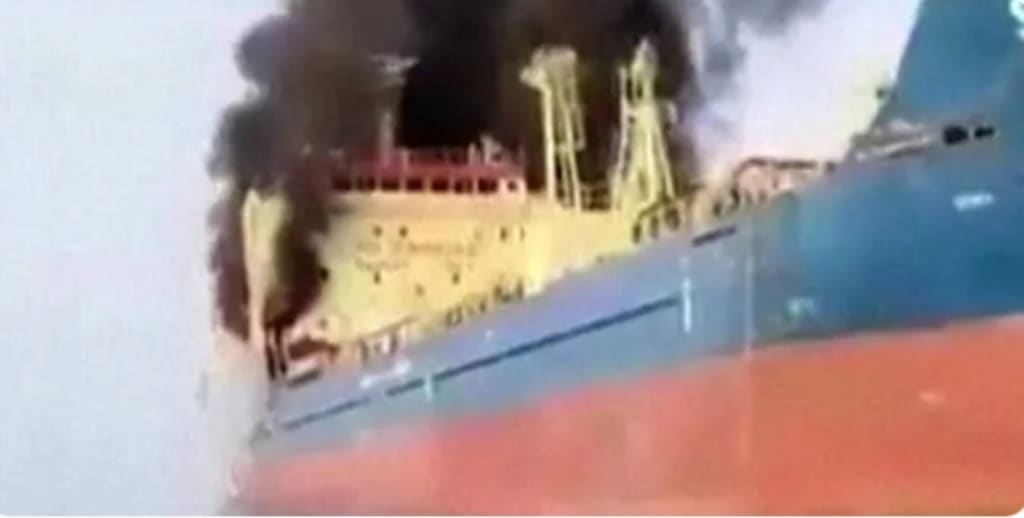
The fragile calm along the Israel–Lebanon border has once again been shattered.
In the latest escalation of the broader Iran-linked confrontation, Israel has launched a series of airstrikes targeting Hezbollah positions inside Lebanon. The strikes come after rocket and drone fire from Lebanese territory toward northern Israel, a move Israeli officials say could not go unanswered.
What began as a conflict centered on Iran has now expanded into a multi-front standoff — raising fears that the region may be inching toward a wider war.
A New Front Opens
The confrontation intensified when projectiles were launched from southern Lebanon into northern Israel. In response, the Israel Defense Forces (IDF)** carried out strikes on what it described as Hezbollah military infrastructure, weapons depots, and command centers.
Explosions were reported in southern Lebanon and in areas on the outskirts of Beirut known to be strongholds of Hezbollah. Residents described loud blasts, plumes of smoke, and renewed panic as sirens echoed through communities already scarred by previous rounds of fighting.
Israeli officials stated that the operation was defensive in nature, aimed at neutralizing immediate threats rather than initiating a broader campaign. But history has shown how quickly such exchanges can spiral beyond initial intentions.
Hezbollah’s Calculated Move
Hezbollah’s decision to engage — even in limited capacity — carries significant weight.
The Iran-aligned group has long positioned itself as both a political and military force in Lebanon. Backed financially and militarily by Tehran, it represents one of Iran’s most powerful regional allies.
By firing rockets into Israel, Hezbollah signaled solidarity with Iran amid mounting tensions. However, the scale of its involvement appears measured — suggesting that while the group seeks to demonstrate support, it may also wish to avoid triggering a full-scale war.
That balance is delicate.
Lebanon’s government has historically struggled to contain Hezbollah’s military actions, and renewed fighting risks drawing the entire country into a conflict that many Lebanese citizens desperately want to avoid.
The Shadow of Past Wars
The Israel–Hezbollah conflict is not new. The two sides fought a devastating war in 2006, and periodic skirmishes have erupted in the years since.
Communities in southern Lebanon still bear the physical and psychological scars of past confrontations. Similarly, northern Israeli towns have long lived under the threat of rocket fire.
Every new exchange reopens old wounds.
This time, however, the stakes feel higher. The broader Iran-linked tensions add a new layer of complexity. What might once have been contained as a localized border clash now risks becoming part of a wider regional struggle.
Civilian Anxiety on Both Sides
For residents near the border, geopolitical strategy is secondary to personal safety.
In northern Israel, air raid sirens have once again sent families rushing into shelters. Schools and businesses in some areas have adjusted schedules or temporarily closed as a precaution.
In Lebanon, particularly in southern towns and parts of Beirut’s suburbs, families have begun preparing emergency supplies and discussing evacuation plans. Memories of displacement and destruction remain vivid.
While both Israel and Hezbollah claim to target military sites, the proximity of military infrastructure to civilian areas increases the risk of collateral damage. That reality fuels fear among ordinary citizens caught in the crossfire.
Regional Implications
The widening confrontation underscores how interconnected Middle Eastern conflicts have become.
Iran’s influence stretches across multiple territories through allied groups. Hezbollah in Lebanon is one of the most prominent among them. When tensions flare between Israel and Iran, the ripple effects often extend to neighboring countries.
Regional governments are watching closely, concerned that escalation could disrupt trade, destabilize fragile political balances, and threaten energy markets.
The broader geopolitical picture is equally complex. International actors have called for restraint, urging all sides to avoid steps that could trigger full-scale regional warfare.
But in a climate charged with retaliation and strategic signaling, de-escalation is easier said than done.
Strategic Calculations
Both Israel and Hezbollah appear to be weighing their next moves carefully.
Israel’s strikes send a message: cross-border attacks will be met with force. At the same time, Israeli officials have indicated that they do not seek a prolonged war in Lebanon unless forced into one.
Hezbollah, meanwhile, must balance loyalty to Iran with domestic realities. Lebanon’s economy remains fragile, and another major conflict could devastate already struggling communities.
Strategic messaging, military deterrence, and political survival are all intertwined in this moment.
The Risk of Miscalculation
Perhaps the greatest danger lies not in deliberate escalation, but in miscalculation.
A single strike causing significant civilian casualties.
A misinterpreted military movement.
An accidental escalation beyond intended limits.
History shows that wars often expand not through grand design, but through incremental steps that outpace diplomatic efforts.
The Israel–Lebanon border has long been described as one of the most volatile fault lines in the region. Each exchange tests the limits of restraint.
What Happens Next?
The coming days will be critical.
If Hezbollah limits its actions and Israel confines its strikes to targeted operations, tensions may stabilize — albeit uneasily.
However, if rocket fire intensifies or airstrikes broaden in scope, the risk of a wider confrontation will increase sharply.
Diplomatic channels are likely active behind the scenes. International mediators have historically played roles in containing flare-ups between Israel and Hezbollah. Whether those efforts succeed this time remains uncertain.
A Region Holding Its Breath
For now, the situation remains fluid.
Military operations continue, rhetoric remains sharp, and civilians on both sides prepare for further uncertainty. Markets, political leaders, and regional governments are all watching closely.
The Israel–Hezbollah front was once a localized dispute shaped by border tensions and political rivalry. Today, it is inseparable from broader regional dynamics involving Iran and shifting alliances.
The fear is not simply about rockets or airstrikes. It is about momentum — how quickly events can move from controlled retaliation to uncontrolled escalation.
In the Middle East, history has often turned on such moments.
Whether this latest confrontation remains contained or becomes something far larger may depend on decisions made in the coming hours and days.
For now, the region waits — tense, uncertain, and acutely aware that peace along this border has always been fragile.
Category Suggestion: World News / Middle East / International Affairs
If you'd like, I can also provide SEO tags, headline variations, or a shorter 600-word optimized version for Vocal Media.
About the Creator
A Gathering of Evil Bosses
“I’m the queen of chin jutting while I smooth my hair, attacking, insulting, and deflecting to protect my appointer.” “Oh, please, Blondi, my hair is curled, highlighted, and longer than yours. I feature television commercials telling immigrants that we will give them a free plane ride home, and if they voluntarily turn themselves in, they will be allowed to legally apply for re-entry. It runs everywhere, and I look good in it! You can’t compete because of your blond hair. Mine is nicer, and my lips are prettier than yours.”
By Andrea Corwin 13 days ago in The Swamp
I was in a Toxic Relationship, with my Workplace
“You got that?” My ex yelled. His hands were balled into fists at his side. At six foot three, he towered over me. A normal person would have been afraid, but I looked up a video of George Lopez repeatedly saying, “I got this,” and showed it to him. I had grown used to this treatment, so much so that I didn’t blink when he ripped the phone from my hand and threw it across the room.
By Jade M.5 days ago in Confessions




Comments
There are no comments for this story
Be the first to respond and start the conversation.