
Missile Allegedly Fired at Turkey Brings Talk of Article 5
Incident Raises Fears of Wider NATO Involvement in Iran Conflict
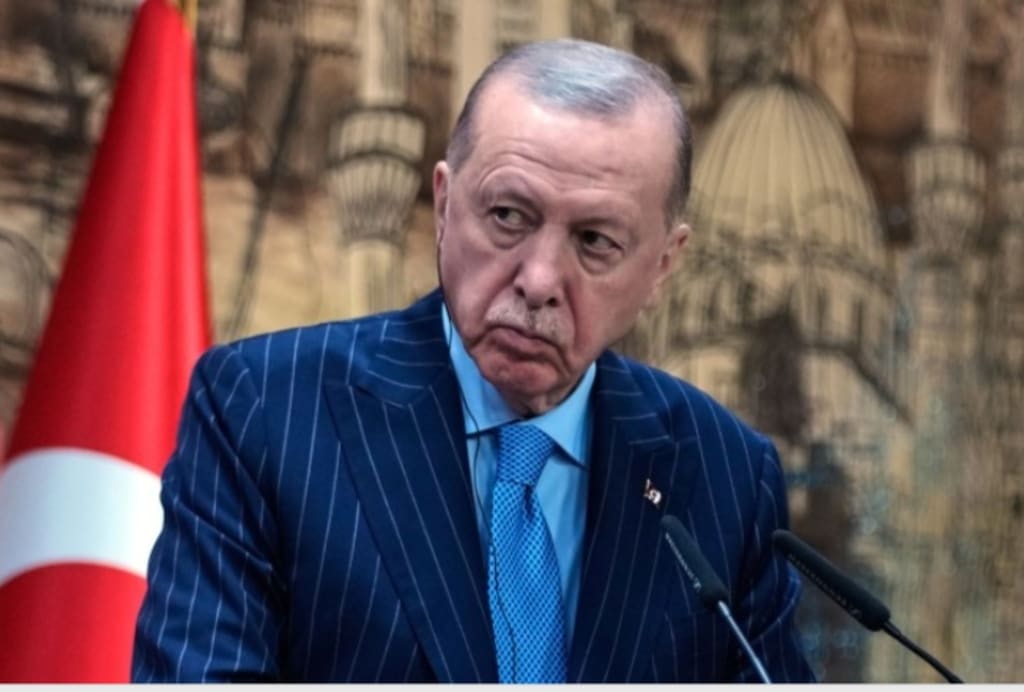
An incident this week has placed Turkey, a key NATO member, at the center of the escalating Middle East conflict. Ankara reported that a ballistic missile, allegedly fired from Iran, was intercepted before entering Turkish airspace, sparking discussions about whether Article 5 — NATO’s collective defense clause — could be invoked.
While the missile did not cause casualties or damage, the event has heightened regional tensions and prompted NATO and Turkish officials to assess defense measures and alliance obligations.
Missile Intercepted Before Reaching Turkey
Turkish authorities confirmed that on March 4, a ballistic missile launched from Iran traveled over Iraq and Syria toward Turkish territory. NATO’s air and missile defense systems in the eastern Mediterranean engaged the missile, intercepting it before it entered Turkish airspace. Debris reportedly fell in the Dörtyol district of Hatay province, with no casualties or property damage reported.
The Turkish Defense Ministry described the interception as “timely and effective” and reaffirmed Ankara’s right to defend its sovereignty. Officials emphasized ongoing consultations with NATO to ensure coordinated responses to regional threats.
Iran’s Armed Forces subsequently denied firing the missile, stating that they respect Turkish sovereignty and that no such launch occurred. The conflicting accounts add uncertainty, but analysts note that the missile may be part of the broader Iran-U.S.-Israel conflict.
Understanding Article 5
Article 5 of the NATO treaty states that an armed attack against one member is considered an attack against all, obliging other members to assist, including militarily if necessary. This clause has been invoked only once, after the September 11, 2001 attacks on the United States.
Had the missile caused damage or casualties, Turkey might have had a stronger justification to request NATO’s collective defense under Article 5. The interception, however, occurred before entering sovereign airspace, and NATO leaders have so far indicated that invoking Article 5 is not being considered.
Secretary General Mark Rutte described the incident as “serious” but emphasized NATO’s readiness and deterrence capabilities rather than signaling escalation.
NATO’s Response and Reassurances
NATO’s official position has focused on reassurance and deterrence, highlighting the alliance’s defensive strength. Officials emphasized that Article 5 is intended for direct attacks on member territory, and a missile intercepted before crossing borders does not meet the threshold for automatic collective defense.
The alliance has instead considered Article 4 consultations, which allow members to discuss security threats and coordinate responses without automatically committing to military action. NATO’s priority is to monitor, deter, and protect without escalating the conflict unnecessarily.
Regional Context
The missile incident occurs amid the ongoing U.S.-Iran conflict, which has already involved strikes on Iranian infrastructure and retaliatory missile and drone attacks. Regional airspace violations and attacks near neighboring countries have underscored the potential for broader escalation.
Turkey, as both a NATO member and neighbor to Iran, must navigate a delicate balance between national security and regional diplomacy. The interception demonstrates the alliance’s preparedness but also the risks of the conflict spilling over into NATO territory.
Debates and Public Perceptions
The missile event has sparked debate among analysts, policymakers, and the public about NATO’s responsibilities and Turkey’s options. Some argue that even a perceived threat could justify stronger alliance action, while others caution against invoking Article 5 prematurely, to avoid entangling NATO in a larger war.
Turkish officials have emphasized coordination with NATO and diplomatic engagement with Tehran, seeking to manage tensions without escalating the conflict. Most analysts agree that accidental or unconfirmed missile threats are unlikely to trigger full collective defense automatically.
What Comes Next
NATO and Turkey will continue monitoring the situation closely. Ankara has pledged to take all necessary steps to defend its territory while coordinating with NATO to secure airspace and borders.
If future incidents involve confirmed attacks on Turkish territory or casualties, the debate over Article 5 could resurface. For now, alliance leaders have focused on strengthening defensive readiness and maintaining a united stance without committing to immediate collective military action.
Key Takeaways:
A ballistic missile allegedly fired from Iran toward Turkey was intercepted by NATO before crossing into Turkish airspace.
Iran denies responsibility, claiming it respects Turkish sovereignty.
NATO Secretary General Mark Rutte confirmed that Article 5 is not being considered, emphasizing preparedness and deterrence.
The incident highlights the risk of regional escalation and tests NATO’s defense coordination and deterrence capabilities.
Turkey continues to coordinate with NATO while maintaining diplomatic channels with Tehran to manage tensions.
The event underscores how regional conflicts can challenge alliance frameworks and create international diplomatic and security dilemmas, even without direct casualties or damage.
About the Creator
Parallel Protests
I haven't written for quite some time, but I have A LOT of thoughts about yesterday's protest rally against our government's involvement and complicity in America's war on Iran, on the harbourside of my home city Bristol, and I need to put them somewhere. My gorgeous girlfriend is always a loving and listening ear and sharing it all with her will always be a healthy and happy way of processing the mental and emotional weight, but getting it straight in my brain to share means writing it all down in straight lines, so, here we are and thanks for being here.
By Steph Cole6 days ago in The Swamp
We Don’t Agree With Trump on Every Issue, Says Cooper on UK Response to Iran War
The United Kingdom has defended its cautious approach to the escalating war with Iran, with Foreign Secretary Yvette Cooper stating that London does not “agree with President Trump on every issue.” Her remarks come amid rising tensions between the United States and its long-standing ally as the conflict in the Middle East deepens and political divisions emerge over how Western governments should respond. Speaking during a televised interview, Cooper emphasized that the UK government must always prioritize its own national interests rather than automatically aligning with decisions made by the United States. The comments were widely interpreted as a direct response to criticism from US President Donald Trump, who has repeatedly questioned Britain’s reluctance to join the early phase of military strikes against Iran. According to Cooper, international alliances remain important, but they do not require complete agreement on every strategic decision. “It’s for the US president to decide what he believes is in the US national interest,” she explained, adding that the British government must determine what is best for the United Kingdom. The dispute highlights a broader debate inside Britain about the country’s role in the rapidly intensifying confrontation with Iran. The conflict began after a wave of US-Israeli strikes targeting Iranian military infrastructure, which Tehran condemned as an act of aggression. Iran has since launched retaliatory actions against regional targets, raising fears of a prolonged war that could destabilize the wider Middle East. Prime Minister Keir Starmer initially resisted calls for Britain to participate directly in the offensive operations. His government declined early requests from Washington to allow American forces to use British military bases for strike missions. Officials argued that the legal and strategic implications required careful examination before any involvement could be considered. The cautious approach sparked criticism from President Trump, who publicly suggested that Britain was attempting to join the conflict only after the United States had already achieved significant military gains. In a message posted on social media, Trump wrote that America did not need countries that “join wars after we’ve already won.” Despite the criticism, British officials insist their policy reflects lessons learned from previous military interventions. Cooper pointed to the experience of the Iraq War as a reminder of the risks involved in rushing into major conflicts without a clear strategy or international consensus. The debate has also been intensified by comments from former prime minister Tony Blair, who reportedly argued that Britain should have supported the United States from the outset of the Iran campaign. Blair’s remarks reignited longstanding arguments about the “special relationship” between the UK and the US and whether Britain should automatically support American military initiatives. Cooper firmly rejected that position, stressing that British foreign policy must be based on independent judgment rather than loyalty to any particular ally. She warned that blindly following another nation’s decisions could lead to strategic mistakes, particularly in a conflict as complex as the current crisis involving Iran. At the same time, the UK has not remained completely disengaged. The government has allowed limited defensive cooperation with American forces, including the use of certain British bases to counter Iranian missile and drone threats in the region. Officials say this support is designed to protect allied forces and civilians rather than expand the scope of offensive military action. British defence planners are also reportedly considering deploying the aircraft carrier HMS Prince of Wales to the Middle East as part of a broader effort to safeguard shipping lanes and regional stability. However, ministers have stressed that no final decision has been made and that any deployment would focus on defensive operations rather than direct combat roles. Public opinion within the United Kingdom appears to support the government’s cautious stance. Polls indicate that a majority of British citizens are wary of becoming directly involved in another major Middle Eastern conflict, reflecting lingering memories of the Iraq and Afghanistan wars. For now, British officials say their goal is to balance alliance commitments with national interests while seeking diplomatic avenues to reduce tensions. Cooper insisted that responsible leadership requires calm judgment rather than reacting to political pressure or inflammatory rhetoric. As the conflict continues to evolve, the disagreements between Washington and London illustrate the challenges facing Western allies in responding to complex global crises. While the “special relationship” between the two countries remains intact, the current dispute suggests that Britain is increasingly willing to assert an independent course—even when it means disagreeing with the United States. Whether that approach will help contain the war or deepen divisions among allies remains uncertain. But for the moment, Britain’s message is clear: cooperation with Washington will continue, yet it will not come at the cost of surrendering control over its own foreign policy decisions.
By Fiaz Ahmed a day ago in The Swamp


Comments
There are no comments for this story
Be the first to respond and start the conversation.