
Vance’s distance from the Iran war is getting more conspicuous
Vice President Vance’s muted presence during the Iran conflict raises questions about his political strategy. While Trump dominates the headlines, Vance keeps a low profile amid escalating tensions with Tehran. The vice president’s silence highlights internal debates over America’s approach to the Middle East. Vance’s cautious stance may reflect both personal philosophy and future political calculations. As the Iran war intensifies, the vice president’s distance from the conflict becomes increasingly notable.

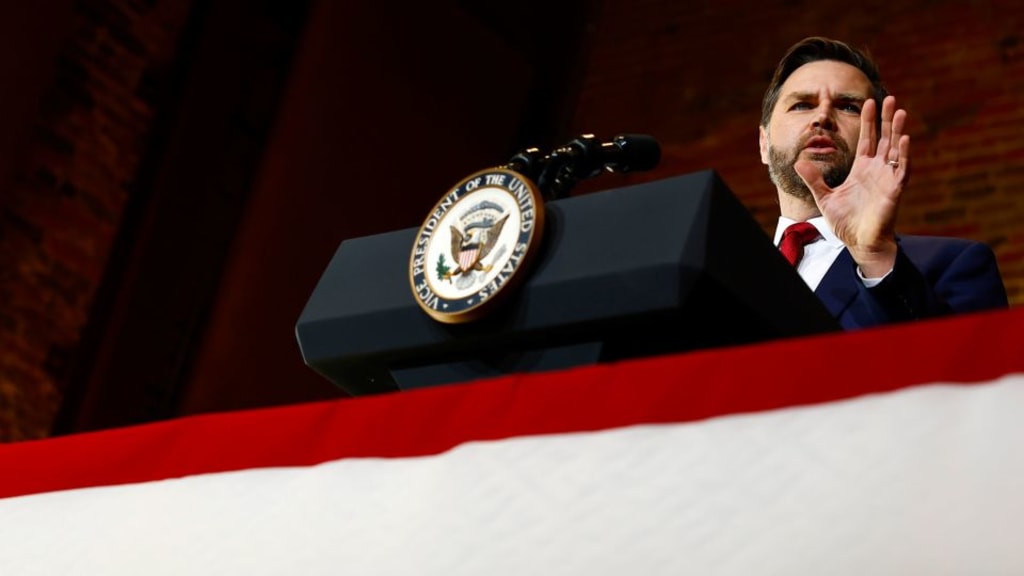
As the conflict between the United States and Iran intensifies, one of the most noticeable developments in Washington has been the relative silence of Vice President JD Vance. While President Donald Trump has taken center stage in announcing military actions and defending the administration’s strategy, Vance has remained largely absent from the public debate. The contrast has sparked increasing speculation among political analysts about his role in the administration and what his quiet approach may signal about internal dynamics.
The war with Iran has become one of the defining geopolitical crises of the current administration. U.S. and allied forces have carried out strikes against Iranian military infrastructure and nuclear facilities, actions that have escalated tensions across the Middle East. In such moments of national security crisis, vice presidents historically play visible roles, often acting as political advocates or diplomatic envoys.
Yet Vance has taken a notably different path.
A Quiet Presence in a Loud Conflict
In recent weeks, President Trump has repeatedly addressed the public about the conflict, defending the decision to strike Iranian targets and arguing that the operation is necessary to prevent Tehran from developing nuclear weapons. Senior officials within the administration have echoed these points in press briefings and interviews.
Vance, however, has rarely appeared alongside them.
His public statements about the war have been limited to brief remarks emphasizing the administration’s objective of preventing Iran from acquiring nuclear weapons. Beyond that, the vice president has avoided the extensive media appearances and speeches that often accompany major military operations.
Political observers say this restraint stands out in a government otherwise eager to project confidence and unity.
A History of Skepticism
Part of the explanation may lie in Vance’s political identity before entering the White House. Prior to becoming vice president, he built a reputation as a prominent critic of U.S. involvement in prolonged foreign wars. As a former Marine who served in Iraq, he frequently warned about the dangers of open-ended military conflicts in the Middle East.
During previous campaigns and interviews, Vance argued that American leaders had too often sent troops overseas without clear objectives or exit strategies. Those remarks are now resurfacing as the war with Iran dominates headlines.
Even President Trump has acknowledged that the vice president initially approached the conflict with a different perspective. Trump recently said Vance was “philosophically a little bit different” about the decision to strike Iran and appeared “less enthusiastic” at the outset of the operation, though he insisted the two leaders ultimately agreed on the policy.
Strategic Silence?
Some analysts believe Vance’s low profile may be intentional. The vice presidency often involves a delicate balance between supporting the president and maintaining a distinct political identity.
For a politician widely viewed as a potential future presidential contender, the stakes are particularly high. If the war proves successful, remaining aligned with the administration will strengthen his credentials. If it becomes unpopular or prolonged, keeping some distance could protect his political standing.
Others suggest the vice president’s silence reflects the evolving ideological debate within the Republican Party itself. Over the past decade, the party has been divided between traditional hawkish foreign policy voices and a newer populist movement skeptical of military intervention.
Vance has often been associated with the latter camp.
Limited Public Engagement
Despite the relative silence, Vance has not completely disappeared from public life. He has attended official ceremonies honoring fallen American service members and continues to carry out routine duties associated with the vice presidency. Reports indicate he will soon begin a domestic political tour focused on economic issues and fundraising events.
Still, the contrast between the president’s constant messaging and the vice president’s quieter role has fueled speculation about how the administration is managing internal differences.
The Political Calculus
Historically, vice presidents have played crucial roles during wartime. Figures such as Dick Cheney were deeply involved in shaping military policy and publicly defending the administration’s decisions. Others, like Joe Biden during the Obama administration, frequently acted as diplomatic emissaries and policy advocates.
Vance’s approach appears markedly different.
For now, the vice president’s distance from the conflict remains one of the more intriguing political dynamics surrounding the war. Whether it reflects genuine policy caution, strategic political positioning, or simply a division of responsibilities within the administration is still unclear.
What is certain is that as the war with Iran continues to shape American foreign policy and domestic politics, the question of Vance’s role—and his relative absence from the spotlight—will likely remain a topic of debate in Washington.
About the Creator
Fiaz Ahmed
I am Fiaz Ahmed. I am a passionate writer. I love covering trending topics and breaking news. With a sharp eye for what’s happening around the world, and crafts timely and engaging stories that keep readers informed and updated.
Keep reading
More stories from Fiaz Ahmed and writers in The Swamp and other communities.
Sinema Acknowledges Affair with Senate Bodyguard While in Office
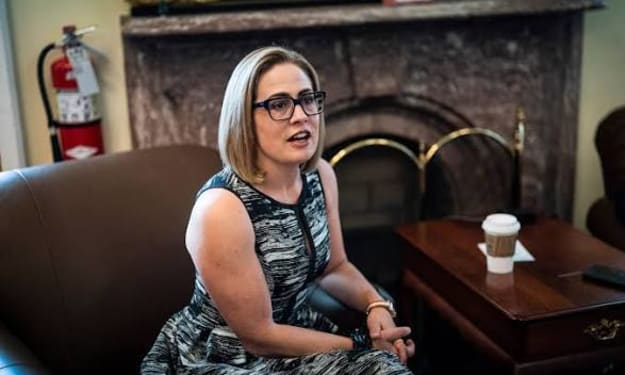
Kyrsten Sinema, the centrist Democrat representing Arizona in the United States Senate, has publicly acknowledged a past personal relationship with a Senate security officer during her time in office. The revelation, which comes amid increasing scrutiny of public officials’ private conduct, has ignited discussion on ethical boundaries, workplace dynamics, and political accountability. In a statement released through her office on Wednesday, Sinema confirmed that the relationship occurred while she was serving in the Senate and described it as “consensual.” She also emphasized that the affair did not influence her official duties or legislative decisions. “I take full responsibility for my actions in my personal life and remain committed to serving my constituents with integrity and transparency,” she said. Political and Ethical Implications While Sinema stressed that the relationship did not impact her professional responsibilities, political observers argue that the affair raises questions about the appearance of impropriety and the challenges public officials face when personal and professional boundaries intersect. “This is less about the relationship itself and more about power dynamics and public perception,” said a Washington-based ethics expert. “Even consensual relationships within a workplace that involves authority, security, and access to sensitive information can raise ethical concerns.” The Senate has strict policies regarding interactions between members and staff or security personnel. While affairs between colleagues are not outright prohibited, they must be carefully navigated to avoid conflicts of interest or allegations of favoritism. Experts note that the Senate bodyguard’s role is inherently tied to the safety and operations of members, which can complicate personal relationships. Reactions Across the Political Spectrum Reactions to the news have been mixed, reflecting the polarized political environment. Some critics argue that Sinema’s admission undermines public trust and raises questions about judgment. “Elected officials are held to high standards, and private actions can have public consequences,” said one Republican lawmaker. Supporters, meanwhile, have framed the situation as a private matter that does not impact her legislative work. Advocates for personal privacy argue that the intense scrutiny of politicians’ personal lives often overshadows their professional accomplishments. Sinema has been known for her independent approach in the Senate, frequently breaking with party lines on key votes. Historical Context While public admissions of affairs by sitting senators are relatively rare, they are not unprecedented. In recent decades, a handful of U.S. senators have publicly addressed personal relationships that attracted media attention, often facing both political fallout and personal scrutiny. Ethics analysts emphasize that what distinguishes Sinema’s situation is the specific intersection of personal and security-related professional roles. “It’s one thing when relationships occur between peers,” said the analyst. “It’s another when there’s a potential imbalance of access, power, or influence, even if unintentional.” Transparency and Accountability Sinema’s acknowledgment came ahead of media reports, suggesting an effort to control the narrative and maintain transparency. By addressing the issue proactively, she may be attempting to mitigate further speculation and reinforce her credibility with constituents and colleagues. Senate leadership has not announced any formal review, and Sinema continues to serve on key committees, including the Finance and Commerce Committees. Observers note that unless additional allegations surface, her professional duties are unlikely to be directly impacted. Public Perception and Media Coverage The revelation has sparked widespread coverage across national news outlets, highlighting the ongoing tension between politicians’ personal privacy and the public’s interest in ethical conduct. Social media platforms are also buzzing with discussions about standards for elected officials and the extent to which private lives should influence public perception. Political commentators predict that the story could have varying impacts depending on local attitudes in Arizona, Sinema’s home state. Historically, Sinema has cultivated a reputation as a pragmatic, independent-minded legislator willing to cross party lines, which may buffer her from some criticism. Moving Forward For Sinema, the acknowledgment marks a challenging moment in her political career, balancing personal accountability with ongoing public service. Experts suggest that the long-term impact will hinge less on the affair itself and more on her continued legislative performance and constituent engagement. “This is a moment of personal transparency,” said one political strategist. “How it affects her career will depend on how she navigates public perception and maintains professional integrity going forward.” As the Senate and constituents digest the news, the incident underscores the ongoing conversation about personal conduct, ethics, and accountability in American politics. For Sinema, the acknowledgment may serve as both a personal reckoning and a test of political resilience.
By Fiaz Ahmed a day ago in The Swamp
The Forsyth House Fire
Since 1851, Forsyth House has stood on the corner of Union Street and Gordon Street in the heart of Glasgow. Its iconic, or was... because on Sunday 8th of March, 2026, a fire broke out in a small, seemingly un-named shop in the building and tore all that history down. As I write, the rubble is still unsettled and the street is still blocked off. Central Station is quiet on the upper level, and around 30 small businesses have quite literally gone up in smoke.
By S. A. Crawford2 days ago in The Swamp


Comments
There are no comments for this story
Be the first to respond and start the conversation.