
Myocardial Infarction Market Trends & Forecast (2025–2033)
Rising Cardiovascular Burden Drives Growth in Global Heart Attack Treatment Market

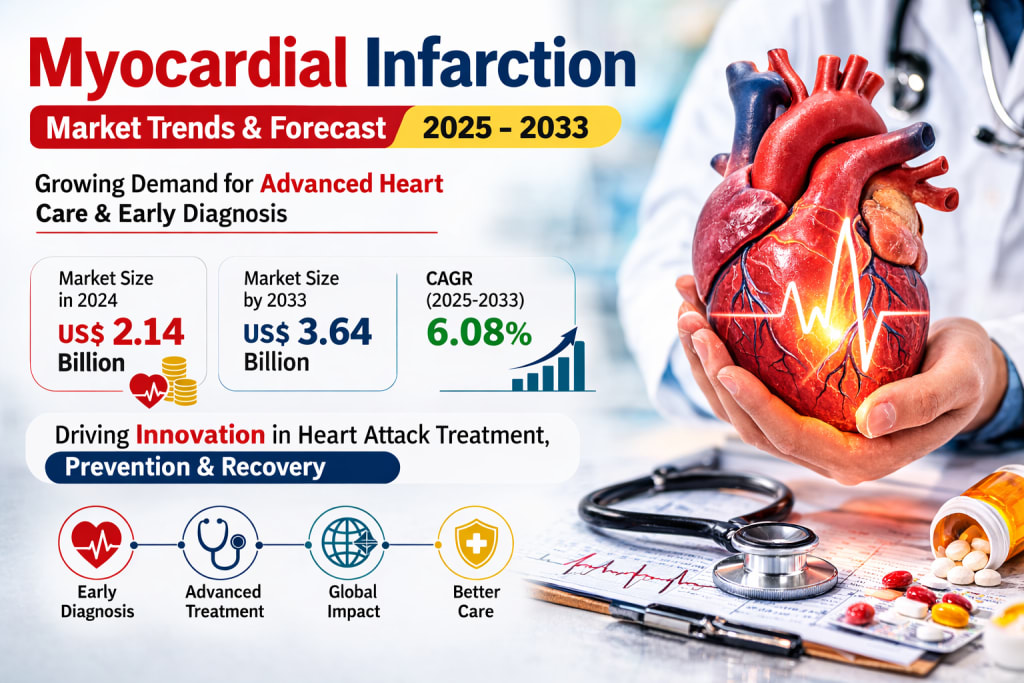
The global Myocardial Infarction (MI) Market, commonly associated with heart attack treatment and prevention, is experiencing significant growth as cardiovascular diseases continue to pose a major public health challenge worldwide. According to Renub Research, the market is projected to grow from US$ 2.14 billion in 2024 to approximately US$ 3.64 billion by 2033, expanding at a compound annual growth rate (CAGR) of 6.08% between 2025 and 2033.
This growth reflects increasing global awareness of heart health, improvements in diagnostic technologies, and the development of innovative drug therapies aimed at preventing and treating acute cardiac events. As healthcare systems place stronger emphasis on early detection, rapid emergency treatment, and long-term disease management, the demand for myocardial infarction therapies continues to rise.
Understanding Myocardial Infarction and Its Global Impact
Myocardial infarction—more commonly referred to as a heart attack—occurs when blood flow to part of the heart muscle is blocked, typically due to plaque buildup in the coronary arteries. The obstruction deprives the heart tissue of oxygen, leading to damage or death of the affected muscle.
Immediate medical intervention is critical in such cases. Treatments often include medications that dissolve or prevent blood clots, procedures like angioplasty, and surgical approaches such as coronary artery bypass grafting. Early diagnosis and prompt treatment significantly reduce mortality rates and improve patient outcomes.
Beyond emergency care, long-term management of myocardial infarction focuses on preventing recurrence. Lifestyle changes, continuous medication therapy, and cardiac rehabilitation programs play crucial roles in helping patients recover and maintain cardiovascular health.
Ongoing research and technological advancements have also transformed MI management. Improved imaging systems, innovative drug classes, and AI-enabled diagnostic tools are enhancing clinical decision-making and accelerating treatment response times across hospitals worldwide.
Key Growth Drivers in the Global Myocardial Infarction Market
Increasing Prevalence of Cardiovascular Diseases
One of the strongest drivers of the myocardial infarction market is the rising global burden of cardiovascular diseases (CVDs). Factors such as sedentary lifestyles, unhealthy diets, tobacco consumption, obesity, and chronic stress significantly increase the risk of heart attacks.
Aging populations also contribute to this trend. As life expectancy increases, the proportion of individuals vulnerable to cardiovascular complications continues to grow. In addition, the rapid increase in metabolic disorders such as diabetes has further elevated the risk of myocardial infarction globally.
For instance, diabetes affected approximately 425 million people worldwide in 2017, and the number is expected to reach 629 million by 2040. Type 2 diabetes alone accounts for nearly 90% of all diabetes cases, and it is a major risk factor for heart disease. In Europe, projections indicate that 42% more older adults may face structural heart disease by 2040 if improvements in detection and treatment do not occur.
These statistics highlight the expanding need for effective cardiac drugs, diagnostic solutions, and preventive healthcare strategies.
Advancements in Treatment Technologies
Medical technology innovations are playing a transformative role in the myocardial infarction market. The development of next-generation thrombolytics, advanced stents, and minimally invasive cardiac procedures has significantly improved survival rates.
Modern imaging technologies—including high-resolution CT scans and AI-driven diagnostics—allow clinicians to detect cardiovascular issues earlier and treat them more effectively. Telemedicine and remote monitoring solutions also enable continuous patient monitoring, improving treatment adherence and post-hospital recovery.
In December 2024, GE HealthCare showcased more than 40 new innovations at the RSNA Annual Meeting in Chicago, many of which include AI-enabled technologies designed to enhance patient care and improve hospital operational efficiency. Such advancements highlight how digital technologies are reshaping cardiac diagnostics and treatment pathways.
Government Initiatives and Public Awareness Campaigns
Governments worldwide are increasing investments in cardiovascular health programs, significantly contributing to market growth. Public awareness campaigns encourage individuals to undergo routine health screenings, adopt healthier lifestyles, and seek early treatment for symptoms related to heart disease.
Financial support through healthcare funding, insurance coverage, and subsidies for cardiac treatment also improves accessibility to life-saving interventions.
For example, U.S. global health funding reached approximately US$12.3 billion in FY 2024, compared to US$5.4 billion in 2006. Additional emergency funding has also been allocated during global health crises such as Ebola, Zika, and COVID-19. These investments indirectly strengthen healthcare systems that manage cardiovascular emergencies, including myocardial infarction.
Challenges in the Global Myocardial Infarction Market
High Cost of Treatment
Despite advancements in treatment technologies, the cost of myocardial infarction therapy remains a major challenge. Surgical procedures, hospital care, advanced medications, and post-treatment rehabilitation can place a heavy financial burden on patients and healthcare systems.
In low- and middle-income countries, many patients struggle to afford timely interventions. The high cost of innovative therapies also limits their adoption in resource-constrained healthcare systems, creating disparities in treatment accessibility.
Limited Healthcare Infrastructure in Developing Regions
Another significant challenge is the lack of advanced healthcare infrastructure in many developing countries. Rural and underserved areas often lack specialized cardiac care units, diagnostic equipment, and trained healthcare professionals.
Delays in diagnosis and treatment can dramatically increase mortality rates associated with myocardial infarction. Improving healthcare infrastructure, expanding emergency response systems, and training medical personnel are essential steps to address this issue.
Drug Class Insights in the Myocardial Infarction Market
Antiplatelet Agents
Antiplatelet drugs are a cornerstone of myocardial infarction management. Medications such as aspirin and P2Y12 inhibitors prevent platelet aggregation, reducing the risk of clot formation and recurrent heart attacks.
These drugs are widely used in both acute care and long-term treatment. Increased awareness of secondary prevention strategies and improvements in drug formulations continue to drive demand for antiplatelet therapies worldwide.
Antithrombotic Agents
Antithrombotic medications—including anticoagulants and thrombolytics—play a vital role in managing myocardial infarction by preventing clot formation and restoring blood flow.
Common agents such as aspirin, clopidogrel, and heparin remain widely used in emergency cardiac care. Newer therapies like ticagrelor are gaining popularity due to their improved efficacy and safety profiles. Continuous innovation in oral anticoagulants and combination drug therapies is expected to further boost market growth.
Vasodilators
Vasodilators are another essential drug class in MI management. These medications widen blood vessels, improving oxygen supply to the heart and reducing chest pain during acute cardiac episodes.
Drugs such as nitroglycerin and isosorbide dinitrate are commonly administered during heart attacks. Advances in drug delivery methods—including sublingual tablets and intravenous injections—have improved patient outcomes and compliance. Although often used alongside other cardiac medications, vasodilators remain critical in emergency treatment protocols.
Distribution Channels in the Myocardial Infarction Market
Hospitals
Hospitals play a central role in the myocardial infarction treatment ecosystem. They provide emergency care, advanced diagnostics, and specialized cardiac procedures such as angioplasty.
Increasing investments in cardiac catheterization labs, imaging technologies, and telecardiology platforms are improving treatment outcomes. Multidisciplinary teams and rehabilitation services also ensure comprehensive patient care.
Drug Stores and Retail Pharmacies
Retail pharmacies are crucial for long-term myocardial infarction management. Patients often rely on pharmacies for medications such as beta-blockers, statins, antithrombotics, and vasodilators.
Pharmacy chains in urban areas are experiencing rising demand due to increasing chronic cardiovascular conditions. Digital pharmacy platforms and telepharmacy services are further expanding patient access to medications and healthcare advice.
Regional Market Insights
United States
The United States remains one of the largest markets for myocardial infarction treatments. A well-developed healthcare infrastructure, strong insurance coverage, and high public awareness contribute to the market's growth.
Lifestyle-related conditions such as obesity and diabetes continue to increase cardiovascular risks. In March 2024, the U.S. Food and Drug Administration approved Wegovy (semaglutide) for reducing the risk of cardiovascular death, heart attack, and stroke in adults with cardiovascular disease and obesity or overweight conditions.
United Kingdom
The United Kingdom benefits from an integrated healthcare system supported by the National Health Service (NHS). Strong emergency response systems, early diagnostic programs, and standardized treatment guidelines ensure effective MI management.
Public health campaigns aimed at reducing smoking and improving lifestyle habits are also helping address cardiovascular risk factors.
Germany
Germany’s advanced healthcare system and strong focus on medical research make it a key market for myocardial infarction therapies. The country emphasizes early diagnosis and preventive care, enabling widespread adoption of innovative cardiac treatments.
In February 2024, Boditech Med acquired a 3.03% stake in 4TEEN4 Pharmaceuticals GmbH, a company specializing in diagnostic biomarkers and treatments for acute myocardial infarction shock.
China
China’s myocardial infarction market is expanding rapidly due to urbanization, an aging population, and rising cardiovascular risk factors. Government initiatives such as Healthy China 2030 aim to improve awareness, prevention, and treatment of heart diseases.
Domestic pharmaceutical innovation and expanded hospital networks are increasing access to affordable MI medications across urban and rural areas.
India
India is witnessing a rapid rise in cardiovascular diseases driven by urbanization, lifestyle changes, and increasing metabolic disorders. Despite infrastructure challenges, growing healthcare investments and awareness campaigns are improving diagnosis and treatment.
In October 2023, Swasthyam Superspecialty Hospital launched a STEMI project connecting 30 spoke hospitals, aiming to improve emergency cardiac care across central India.
Recent Developments in the Myocardial Infarction Market
The myocardial infarction market continues to evolve with ongoing pharmaceutical innovations and strategic partnerships.
June 2023: The U.S. FDA approved LODOCO, the first anti-inflammatory therapy shown to reduce the risk of myocardial infarction and cardiovascular death.
March 2024: Recardio launched global partnerships to support Phase III trials of dutogliptin, a drug candidate targeting acute myocardial infarction treatment.
February 2024: Idorsia announced a global R&D partnership with Viatris to advance Phase III assets selatogrel and cenerimod.
May 2024: BioCardia reported encouraging results from its CardiAMP cell therapy trial, demonstrating improved exercise tolerance and reduced angina episodes.
July 2022: AstraZeneca received Fast Track Designation in the U.S. for FARXIGA to reduce hospitalization risk following acute myocardial infarction.
Such developments demonstrate the growing emphasis on innovative therapies, precision medicine, and advanced treatment strategies in cardiac care.
Competitive Landscape
The myocardial infarction market features strong competition among global pharmaceutical companies and biotechnology firms. Leading companies are focusing on research and development, strategic collaborations, and clinical trials to strengthen their market positions.
Key players include:
Pfizer
Sanofi-Aventis / Bristol-Myers Squibb
AstraZeneca
Merck
Daiichi Sankyo
Eli Lilly and Company
Takeda
Novartis
Genentech
Amgen
Regeneron / Sanofi
Boehringer Ingelheim
Idorsia Pharmaceuticals
Faraday Pharmaceuticals
CSL Behring
Immediate Therapeutics
Mitsubishi Chemical Group
Kancera
Bayer
Recardio
Mesoblast
These companies continue to invest heavily in cardiovascular drug innovation, biomarker research, and personalized medicine to address the growing burden of myocardial infarction worldwide.
Final Thoughts
The global myocardial infarction market is entering a period of steady expansion as cardiovascular diseases remain one of the leading causes of death worldwide. Rising prevalence of lifestyle-related risk factors, technological advancements in cardiac treatment, and increasing healthcare investments are collectively driving market growth.
With the market expected to reach US$3.64 billion by 2033, innovation in pharmaceuticals, diagnostic technologies, and emergency care infrastructure will play a crucial role in improving patient outcomes. As governments, healthcare providers, and pharmaceutical companies collaborate to combat heart disease, the future of myocardial infarction management looks increasingly promising.
About the Creator
United States Baby Food and Infant Formula Market is Expected to Grow USD 14.9 Billion by 2034 | At CAGR 4.60%
United States Baby Food and Infant Formula Market Overview The United States baby food and infant formula market continues to expand as parents increasingly prioritize nutrition, product safety, and quality ingredients for infant health and development. According to industry analysis, the United States baby food and infant formula market size reached USD 9.8 Billion in 2025. Looking ahead, the market is projected to reach USD 14.9 Billion by 2034, registering a compound annual growth rate (CAGR) of 4.60% during 2026–2034.
By Kim Soo hyun7 days ago in Trader
Aurobindo Pharma Share: Latest Market Trends and Investment Insights
Aurobindo Pharma Share The Aurobindo Pharma share has been a focal point for investors as the pharmaceutical sector continues to experience rapid growth and changing market dynamics. Aurobindo Pharma Limited, one of India’s leading pharmaceutical companies, has built a strong reputation globally through its diverse portfolio of generic medicines, active pharmaceutical ingredients (APIs), and complex formulations.
By Hammad Nawaz4 days ago in Trader
A System That Isn’t Working Challenge Winners
Systems promise order. They organize behavior, distribute opportunity, and suggest that if everyone follows the rules, things will work. The entries in A System That Isn’t Working look closely at what happens when that promise begins to slip.
By Vocal Curation Team5 days ago in Resources




Comments
There are no comments for this story
Be the first to respond and start the conversation.