
How Can I Hack a Snapchat Account? The Real Techniques Used by Hackers in 2026
Snapchat Hacking Demystified: A Complete Guide to the Methods Used by Attackers and How to Fortify Your Digital Life

In the ever-evolving landscape of cybersecurity, few questions are asked with as much frequency and urgency as: "How can I hack a Snapchat account?" While this query often stems from a place of curiosity, suspicion, or even malicious intent, understanding the mechanisms behind these attacks is the first and most critical step toward preventing them. Snapchat, with its ephemeral nature and nearly one billion users, is a prime target for cybercriminals.
This comprehensive guide serves a dual purpose. First, it will peel back the curtain on the real techniques used by hackers in 2026—moving beyond Hollywood myths to explain the actual methods of compromise. Second, and most importantly, it will arm you with the knowledge and tools to protect yourself, your friends, and your family from these very real threats. We will explore the motivations of attackers, dissect their methods, and build a fortress around your personal data.
⚠️ IMPORTANT LEGAL AND ETHICAL DISCLAIMER
The information provided in this article is for educational and awareness purposes only. Accessing someone else's Snapchat account without their explicit permission is a violation of Snapchat's Terms of Service and is illegal in most jurisdictions worldwide. It can lead to severe penalties, including identity theft charges, computer fraud, and imprisonment. This guide is designed to help you understand these threats to better defend against them, not to facilitate illegal activity.
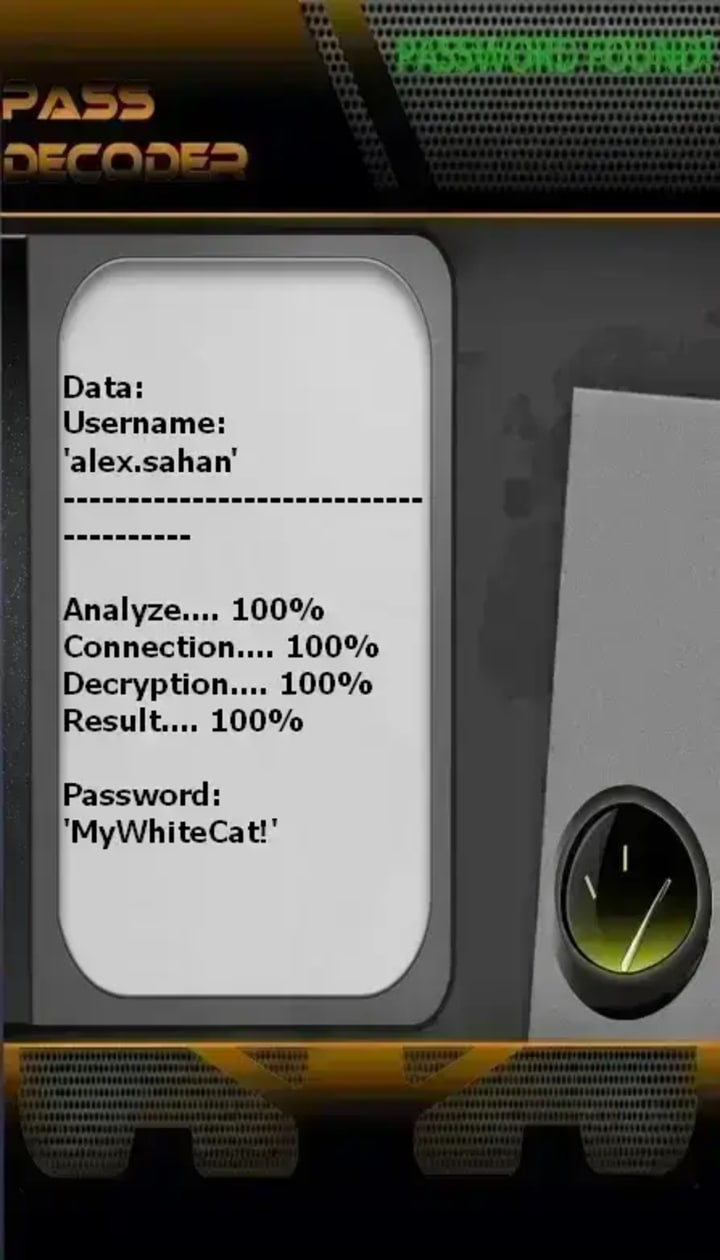
PASS DECODER
Hack to the Snapchat database to connect the account from an @username, a phone number or an email address. It displays the password on your screen and you will be able to connect immediatly to the Snapchat account. You can download PASS DECODER from its official website: https://www.passwordrevelator.net/en/passdecoder
Why Snapchat Accounts Are Targeted: Understanding the Attacker's Motivation

To understand how to protect your account, you must first understand why it is a target. It’s not just about reading someone's private messages. The motivations are often more sinister and financially driven :
• Financial Gain: Hackers can use your identity to access linked financial services or make purchases.
• Data Resale: Personal information, login credentials, and private photos are valuable commodities sold on the dark web.
• Extortion and Blackmail: Access to private messages and images, especially those stored in the "My Eyes Only" folder, provides leverage for blackmail.
• Spam and Scams: A compromised account is a perfect vehicle for sending malicious links to all your contacts, spreading malware or phishing attempts.
• Cyberbullying and Harassment: Attackers may seek to embarrass, harass, or damage the reputation of the account holder.
Part 1: The Hacker's Playbook — Real Methods Used to Compromise Accounts
Contrary to popular belief, hacking a Snapchat account rarely involves a lone genius typing furiously to break complex codes. The vast majority of successful attacks rely on exploiting the weakest link in the security chain: human psychology. Here are the real-world techniques used by modern hackers.
1. Phishing: The Art of Deception
Phishing remains the most common and effective hacking method because it targets user error, not system flaws.
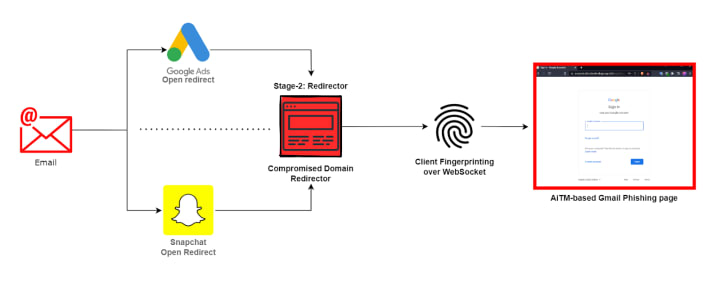
• How it works: A hacker creates a fake login page that looks exactly like Snapchat's official site. They then send you a message—often via email, SMS, or even a Snapchat DM—claiming there's an urgent issue with your account, such as a security breach or a login attempt from a new location. The message contains a link to the fake page. When you enter your username and password, the credentials are instantly sent to the attacker.
• Red Flags:
o Urgent or threatening language ("Your account will be permanently disabled in 24 hours!").
o Slightly misspelled URLs (e.g., snapchat-verify.com or snapchatt.com).
o Messages from addresses that aren't official (e.g., [email protected] instead of @snapchat.com).
2. Social Engineering: Hacking the Mind
This method is even more direct. Instead of tricking you with a fake website, the hacker manipulates you into giving them the information they need.
• The "Support" Scam: A chillingly effective example of this was reported in 2026. A man, Kyle Svara, successfully hacked hundreds of women's Snapchat accounts by posing as a Snapchat support agent. He would trigger the legitimate "forgot password" process, which sent a real six-digit security code to the victim's phone. He would then message the victim, claiming he was from Snapchat support and needed that code to "secure" or "verify" their account. The victims, believing they were talking to a legitimate representative, handed over the codes, giving him full access.
• How it works: The attacker pretends to be a friend, a brand, or an official figure to build trust and create a sense of urgency, prompting the victim to bypass their normal caution.
• Golden Rule: Snapchat will NEVER ask you for your password, your "My Eyes Only" passcode, or a 2FA verification code..
3. Malware and Keyloggers: The Silent Spy
Sometimes, the attack happens without you even clicking a link. This method involves tricking you into installing malicious software on your device.
• How it works: You might be tempted to download a third-party app promising exciting Snapchat features—like "Snapchat++" for saving snaps, "Follower Boosters", or apps that claim to let you see who viewed your profile. These unofficial apps often contain malware, specifically a keylogger. Once installed, the keylogger runs silently in the background, recording every keystroke you make, including your Snapchat password, and sending it back to the hacker.
• The Danger: Even apps from official app stores can sometimes be compromised, but the risk is exponentially higher when you "sideload" apps or download them from untrusted websites.
4. Credential Stuffing and Brute-Force Attacks
This is a more technical, automated attack that relies on poor password hygiene.
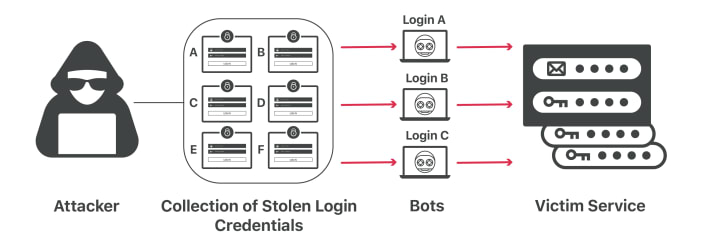
• How it works: Massive data breaches from other websites (like LinkedIn, Yahoo, or Adobe) often result in millions of email/password combinations being leaked online. Hackers take these lists and use automated bots to "stuff" these credentials into Snapchat's login page, hoping you've reused your password.
• Why it often fails: Snapchat has robust security measures that detect and block multiple failed login attempts from a single IP address, making pure "brute-force" guessing very difficult. However, if you use a weak, common password (like password123 or your birthday), a dictionary attack (where the bot tries common words and phrases) could still succeed.
5. SIM Swapping: The Carrier-Level Attack
This is a sophisticated and dangerous attack because it targets your phone number, not your Snapchat account directly.
• How it works: The hacker gathers personal information about you (from social media or data leaks) and then contacts your mobile phone provider. They impersonate you, claiming they've lost their SIM card and need to port their number to a new one. If they successfully socially engineer the customer service representative, your phone number is activated on a SIM card in their possession.
• The Result: All your SMS messages, including verification codes and 2FA codes sent via text, now go to the hacker's phone. They can then use the "forgot password" feature on Snapchat, receive the reset code via SMS, and take full control of your account. They have effectively stolen your phone number.
Part 2: Your Ultimate Protection Guide — Fortifying Your Account
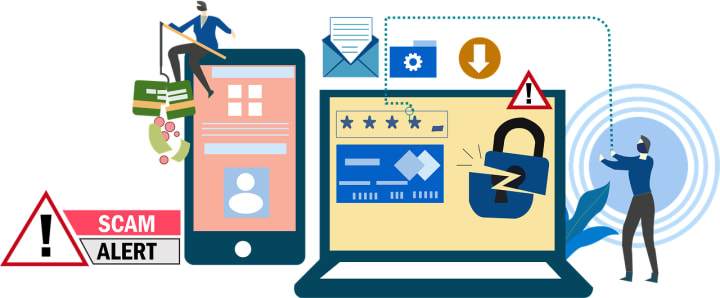
Knowledge of these threats is useless without action. By implementing the following security measures, you can make your account virtually impervious to all but the most sophisticated and targeted attacks.
1. Enable Two-Factor Authentication (2FA) — The Non-Negotiable
This is the single most important step you can take to secure your account. It adds a second layer of defense so that even if a hacker gets your password, they cannot log in.
• How to do it: Go to your profile > Settings > Two-Factor Authentication.
• SMS vs. Authenticator App: Snapchat offers two methods. While SMS is better than nothing, it is vulnerable to SIM swapping. For maximum security, choose an "Authentication App" like Google Authenticator or Authy. These apps generate codes locally on your phone and are not tied to your phone number.
2. Use a Strong, Unique Password
Your password is your first line of defense. Make it count.
• What to do: Use a password that is at least 12 characters long and includes a mix of uppercase and lowercase letters, numbers, and symbols. Avoid using personal information like your name, birthday, or pet's name.
• The Golden Rule of Passwords: Never reuse passwords across different services. If your password for a gaming forum is leaked, and you use the same one for your email and Snapchat, all your accounts are at risk. Use a password manager (like Bitwarden, 1Password, or even your browser's built-in manager) to create and store complex, unique passwords for every site.
3. Go Passwordless with a Passkey
For the ultimate in phishing-resistant security, Snapchat supports passkeys.
• What it is: A passkey is a cryptographic key pair stored directly on your device (protected by your face ID, fingerprint, or screen lock). To log in, you simply authenticate on your device, just like you would to unlock your phone.
• Why it's better: Passkeys cannot be phished. Since there is no password to steal or enter into a fake website, they completely neutralize the threat of phishing attacks.
4. Review and Manage Active Sessions
Hackers often leave a backdoor open. You can shut it.
• How to do it: Go to Settings > 'Two-Factor Authentication' > 'Forget Devices' or look for 'Session Management' or 'Connected Devices' within the Security section.
• What to look for: You will see a list of all devices currently logged into your Snapchat account. If you see a device you don't recognize, revoke it immediately. This will log them out.
5. Keep Your Apps and OS Updated
Software updates aren't just about new features; they contain critical security patches that fix vulnerabilities hackers could exploit.
• What to do: Enable automatic updates for the Snapchat app and your phone's operating system (iOS or Android). This ensures you are always protected against known bugs and exploits.
6. Use a VPN on Public Wi-Fi
Public Wi-Fi networks are notoriously insecure. Hackers can intercept data transmitted over these networks, a technique known as a "man-in-the-middle" attack.
• What to do: Avoid logging into sensitive accounts like Snapchat on public Wi-Fi. If you must, use a reputable VPN (Virtual Private Network). A VPN encrypts all data traveling between your device and the internet, making it unreadable to anyone else on the network.
7. Never Share Your Login Info or Verification Codes
This cannot be stressed enough. No legitimate service will ever ask for your password or a 2FA code. Treat this information like the keys to your house—you wouldn't hand them to a stranger.
Conclusion
The question "How can I hack a Snapchat account?" often leads people down a dangerous path. As we've explored, the real "hacking" is less about technical wizardry and more about deception, psychological manipulation, and exploiting human error. From sophisticated phishing pages to the alarming simplicity of SIM swapping and social engineering scams, the threats are real and constantly evolving.
While tools like PASS DECODER exist, their use for unauthorized access is illegal and unethical. The only legitimate use of this knowledge is for defense. By enabling Two-Factor Authentication with an authenticator app, using a password manager to create strong, unique credentials, and maintaining a healthy skepticism toward unsolicited messages, you can build a formidable defense. Your security is a shared responsibility, and with the right habits, you can ensure your Snapchat account remains yours and yours alone.
Frequently Asked Questions (FAQ)
1. Is it illegal to hack a Snapchat account?
Yes. Unauthorized access to a Snapchat account is strictly illegal in most countries. It constitutes identity theft, invasion of privacy, and computer fraud, potentially leading to criminal prosecution, fines, and imprisonment.
2. What are the signs that my Snapchat has been hacked?
Common signs include: receiving login alerts from unknown locations or devices, being forced to repeatedly log back into the app, friends reporting strange messages from your account, new friends you didn't add appearing in your list, and changes to your linked email address or phone number.
3. What is the first thing I should do if I think my account is hacked?
Immediately change your password. If you can still log in, go to Settings and choose "Change Password". This will log out all other devices. If you are locked out, use Snapchat's "Forgot Password" feature or contact Snapchat Support immediately.
4. Can someone hack my Snapchat just by sending me a message?
Generally, no. Simply receiving a message is safe. The danger lies in interacting with malicious content within the message, such as clicking a link to a fake login page or downloading a file that contains malware.
5. Is two-factor authentication (2FA) on Snapchat safe?
Yes, enabling 2FA dramatically increases your account security. However, using an authenticator app (like Google Authenticator) is much safer than using SMS 2FA, as SMS codes can be intercepted via a SIM-swapping attack.
6. Are those apps that claim to hack Snapchat accounts real?
No. They are almost always scams designed to steal your own login credentials, install malware on your device, or trick you into paying for a non-existent service. Avoid them completely.
7. How can I see what devices are currently logged into my Snapchat?
You can check this in the Snapchat app. Go to your Profile (bitmoji icon) > Settings (gear icon) > Two-Factor Authentication > Forget Devices. This list shows all devices currently trusted to access your account without a 2FA code.
8. Will changing my password kick out a hacker?
Yes, changing your password should immediately revoke access for all other devices and sessions, effectively logging out anyone else who might be logged into your account.
9. What is "My Eyes Only" and can it be hacked?
"My Eyes Only" is a password-protected folder within Snapchat's "Memories" where you can save private Snaps. If your main Snapchat account is compromised, a hacker could potentially see the contents of this folder if they also have or can guess your separate "My Eyes Only" passcode. Never share this code.
10. Does Snapchat have good security?
Yes, Snapchat has significantly improved its security over the years, implementing features like end-to-end encryption for messages, login alerts, and 2FA. However, the platform's security is a partnership; its protections are most effective when users also follow best practices like using strong passwords and avoiding phishing scams.
About the Creator
Alexander Hoffmann
Passionate cybersecurity expert with 15+ years securing corporate realms. Ethical hacker, password guardian. Committed to fortifying users' digital safety.
Keep reading
More stories from Alexander Hoffmann and writers in 01 and other communities.
How Can I Hack an Instagram Account? Real Techniques Used by Hackers in 2026
The question "How can I hack an Instagram account?" is searched thousands of times daily. While many look for quick shortcuts or paranoia-driven spying tools, the reality of Instagram hacking is far more sophisticated—and dangerous. In 2026, cybercriminals are not relying on magic links; they are exploiting technical vulnerabilities, advanced social engineering, and information-stealing malware.
By Alexander Hoffmannabout 5 hours ago in 01
Belitsoft Introduces 2026 Guide on How to Select the Best Pricing Model by IT Project Type
The Belitsoft software development outsourcing company has looked into the most common ways to set prices. The decision has a direct effect on the project's risk, flexibility, and potential return on investment for both new and old businesses.
By Dmitry Baraishuk6 days ago in 01


Comments
There are no comments for this story
Be the first to respond and start the conversation.