history
The history of technology and technology throughout history; human innovation from the first stone tool to the iPhone and beyond.
Strategic Decision Making in Small Markets: Doug Stevenson Bowdoinham Maine on Leading With Clarity
In large metropolitan business environments, leaders often rely on scale, capital access, and rapid experimentation to drive results. In smaller markets, strategy requires a different kind of discipline. Doug Stevenson of Bowdoinham, Maine explains that in close-knit communities, every decision carries greater visibility and longer-term impact. Strategic clarity is not optional. It is foundational.
By Doug Stevenson Bowdoinham Maine6 days ago in 01
Global Energy Transitions and Renewable Initiatives in 2026: The Shift Towards Sustainable Power
1. Global Energy Landscape in 2026 As of 2026, global energy consumption continues to rise, fueled by population growth, urbanization, and technological development. Key statistics include:
By shahkar jalal7 days ago in 01
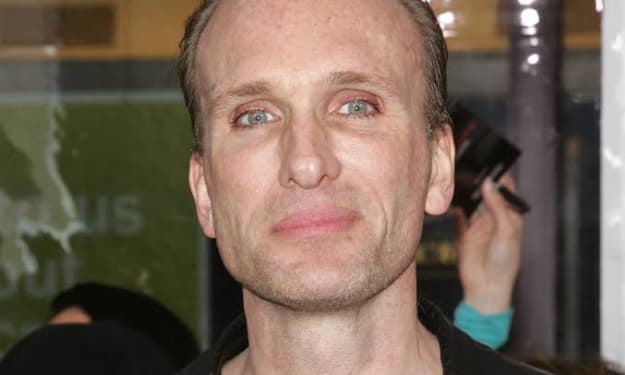
Peter Greene. AI-Generated.
Peter Greene, the veteran American character actor best known for his intense and memorable roles in films like Pulp Fiction and The Mask, died at the age of 60. His unexpected passing in late 2025 shocked fans and colleagues alike and sparked many questions about what happened and what the official cause of death was. Here’s what’s been confirmed by authorities and reliable sources. A Beloved Character Actor Peter Greene built a career portraying gritty, compelling characters—often on the darker side of cinema. His breakout role as the villainous Zed in Quentin Tarantino’s Pulp Fiction earned him wide recognition, and he continued to appear in notable films throughout the 1990s and 2000s. Alongside The Mask, his filmography includes Clean, Shaven, The Usual Suspects, Blue Streak, and Training Day, among others. Beyond film, he also appeared in television series like Chicago P.D. and The Continental. When and Where He Was Found Greene was found deceased in his Lower East Side apartment in New York City on December 12, 2025. Neighbors had reportedly heard music playing from his residence for more than a day, prompting a wellness check when there was no response at the door. His manager, Gregg Edwards, confirmed Greene’s death shortly afterward, though early reports did not immediately disclose a cause. The Cause of Death: Accidental Shooting In February 2026, authorities released the official cause of death after completing an investigation. According to the New York City Office of the Chief Medical Examiner: Greene died from a gunshot wound to the left axilla (the armpit area). The bullet injured the brachial artery, a major blood vessel supplying blood to the arm. The manner of death was classified as accidental—there was no evidence of foul play. In simpler terms, Greene was accidentally shot in the armpit area, and the injury caused fatal bleeding. Officials ruled the incident an accident rather than intentional harm. Community Reaction and Legacy News of Greene’s passing prompted an outpouring of tributes from fans and those who admired his work. While many remember him for playing villains, colleagues and friends often emphasized his warmth and generosity off-screen. His manager described him as having “a heart as big as gold,” noting that behind his intimidating on-screen persona was a thoughtful, kind person. Greene was also involved in several projects at the time of his death, including work on a socially conscious documentary intended to raise awareness about changes to international aid funding. What This Means There was significant public curiosity and speculation about “Peter Greene cause of death,” especially given the initial lack of information. With the official findings now released, it’s clear that his death was a tragic accident. Rumors or misinformation surrounding celebrity deaths can spread quickly, underscoring the importance of waiting for confirmed reports from medical examiners and credible news outlets. The Bottom Line Peter Greene died on December 12, 2025, The official cause of death was an accidental gunshot wound to the armpit, which damaged a major arter.
By Saboor Brohi 12 days ago in 01
Is Our Health at Risk from 5G, 6G, and Other Technologies?
Is Our Health at Risk from 5G, 6G, and Other Technologies? The world is moving faster than ever. High-speed connectivity has become a part of everyday life, from streaming 4K videos in a matter of seconds to controlling smart homes with voice commands. One question keeps coming up despite the fact that 6G is already in development and 5G is spreading globally.
By Farida Kabir19 days ago in 01
Good Morning America. AI-Generated.
widely known as GMA, is one of the most recognizable morning television programs in the United States. Airing on ABC, the show has become a daily ritual for millions of viewers who tune in for a blend of news, lifestyle features, entertainment, and human-interest stories. Over the decades, Good Morning America has evolved from a traditional news broadcast into a cultural touchstone that reflects how Americans start their day. The program first premiered in 1975, entering a competitive space where morning television was still finding its identity. From the beginning, GMA aimed to balance hard news with lighter segments, creating an atmosphere that felt informative without being overwhelming. This approach helped the show gradually build a loyal audience and stand apart from its competitors. As viewer habits changed, Good Morning America adapted, incorporating more interactive and visually engaging content while keeping credible journalism at its core. One of the defining strengths of Good Morning America is its hosting team. Over the years, the show has featured a rotating lineup of well-known journalists and broadcasters who bring professionalism and personality to the screen. The chemistry among anchors has played a significant role in GMA’s success, making the program feel approachable and trustworthy. Viewers often develop a sense of familiarity with the hosts, turning the show into more than just a news source—it becomes part of their morning routine. Content variety is another key element of GMA’s appeal. Each broadcast typically includes breaking news updates, weather forecasts, health segments, and interviews with public figures. Entertainment coverage, including movie premieres and music performances, sits comfortably alongside serious reporting. This mix allows Good Morning America to reach a broad audience, from viewers seeking headlines to those interested in lifestyle trends and inspirational stories. The show has also earned recognition for its in-depth coverage of major national and global events. During elections, natural disasters, and public health crises, Good Morning America has provided timely updates and expert analysis. Its ability to explain complex issues in an accessible way has helped viewers stay informed without feeling disconnected from the human impact of the news. In recent years, Good Morning America has expanded beyond traditional television. Clips and full segments are widely shared on digital platforms, allowing the show to reach younger audiences who may not watch live TV. Social media engagement, podcasts, and streaming options have helped GMA remain relevant in a fast-changing media landscape. This digital presence ensures that the show’s influence extends well beyond the early morning hours. Another notable aspect of Good Morning America is its focus on positive storytelling. While serious news remains central, the program regularly highlights stories of resilience, innovation, and community impact. These segments often resonate strongly with viewers, offering moments of optimism amid challenging headlines. This balance between realism and hope has become part of the show’s identity. The production quality of Good Morning America also contributes to its lasting popularity. From its bright studio design to live outdoor broadcasts and special themed weeks, the show places a strong emphasis on visual energy. These elements help create a welcoming atmosphere that reflects the pace and diversity of modern mornings. After nearly five decades on air, Good Morning America continues to play a significant role in American media. Its longevity speaks to its ability to adapt while maintaining trust with its audience. As viewer expectations evolve, GMA remains committed to delivering reliable information, engaging conversations, and stories that matter. Ultimately, Good Morning America is more than a television show—it is a shared experience for millions of people starting their day. By combining journalism, entertainment, and human connection, it has secured its place as a cornerstone of morning television and a lasting presence in popular culture.
By Saboor Brohi 21 days ago in 01
What Every Internet User Needs to Know About the New AI Laws and Updates to Digital Privacy in 2026
What Every Internet User Needs to Know About the New AI Laws and Updates to Digital Privacy in 2026 In comparison to just a few years ago, the digital landscape in 2026 looks very different. Artificial intelligence is no longer a new or experimental tool; rather, it is now an essential component of everyday life.
By Farida Kabir21 days ago in 01