Science
National Security Trial for Hong Kong’s Tiananmen Activists Begins. AI-Generated.
A national security trial in Hong Kong has officially begun for activists who have long campaigned for justice regarding the Tiananmen Square crackdown of 1989. The trial marks a pivotal moment in the city’s ongoing struggle between preserving civil liberties and the increasing influence of Beijing over its legal and political systems. The proceedings have drawn international attention, shedding light on the challenges faced by pro-democracy activists in Hong Kong and raising questions about freedom of expression under the city’s national security laws. Background: The Tiananmen Activists The activists on trial are part of a group that has spent decades advocating for recognition of the June 4, 1989, Tiananmen Square massacre in Beijing. While Hong Kong traditionally allowed public commemoration of the event, the situation changed following the 2020 imposition of a sweeping national security law by Beijing. The law criminalizes acts of secession, subversion, terrorism, and collusion with foreign forces. Critics argue that its broad definitions have been used to target pro-democracy activists and silence dissenting voices, including those who peacefully campaign for historical accountability. What the Trial Entails The trial, held in a Hong Kong court, involves several prominent activists who have been charged under the national security law. Charges include alleged subversion and acts perceived as undermining state authority. The proceedings are expected to last several weeks, with the outcome likely to have far-reaching implications for Hong Kong’s civil society. Observers note that this case is emblematic of the shrinking space for political activism in the city. Legal experts warn that convictions could deter future generations of activists from speaking out on sensitive historical or political issues. Hong Kong’s Changing Legal Landscape Hong Kong’s legal system has long been seen as a cornerstone of its autonomy, known as “one country, two systems.” The city’s courts were traditionally respected for their independence and adherence to common law principles. However, the national security law has dramatically altered this landscape. Many legal analysts argue that the law gives authorities broad powers to define what constitutes a threat to national security, limiting judicial discretion and eroding long-standing protections for civil liberties. The Tiananmen activists’ trial is one of the first high-profile cases to test the law’s reach and its consequences for political expression. International Reaction The trial has elicited strong reactions from around the world. Human rights organizations, foreign governments, and international media have expressed concern over what they see as a crackdown on free speech and civic engagement in Hong Kong. Statements from organizations like Amnesty International and Human Rights Watch emphasize that peaceful commemoration and historical advocacy should not be criminalized. Meanwhile, some governments have reiterated calls for Beijing and Hong Kong authorities to respect international human rights standards and allow activists to participate freely in political discourse. Impact on Civil Society For Hong Kong’s civil society, the trial is both a warning and a moment of reflection. Community groups and advocacy organizations fear that prosecutions under the national security law could create a chilling effect, discouraging citizens from participating in public debates or organizing commemorative events. Despite these challenges, activists continue to push for transparency and accountability. Many are using digital platforms and international forums to raise awareness about the trial and maintain public engagement with Tiananmen-related issues. Voices From the Activists The defendants and their supporters have emphasized that their work is centered on remembrance, education, and human rights advocacy. They argue that commemorating the victims of the 1989 crackdown is a moral and civic duty, not a threat to national security. Statements from family members and fellow activists highlight the personal risks involved in speaking out in Hong Kong today. They stress that the trial is not just about individual charges but represents a broader struggle for freedom of speech and the right to historical memory. What’s Next Legal experts predict that the trial could set important precedents for how Hong Kong applies its national security law in cases related to historical activism. The outcome may influence how other activists approach political expression, commemoration, and protest in the city. International observers will be closely monitoring the proceedings, both for legal developments and for broader indications of Hong Kong’s political trajectory. The trial serves as a test of how the city balances security concerns with fundamental freedoms that have long defined its identity. Conclusion The national security trial for Hong Kong’s Tiananmen activists is more than just a courtroom event; it is a symbol of the ongoing tension between state authority and individual freedoms. As the proceedings unfold, the world is watching closely to see how Hong Kong navigates its commitment to justice, memory, and human rights under the pressures of political change. For the activists, this trial is a continuation of a decades-long struggle to ensure that the events of Tiananmen Square are neither forgotten nor ignored. For the citizens of Hong Kong, it is a reminder of the fragile balance between freedom and security in a rapidly evolving political landscape.
By Muhammad Hassan2 months ago in Earth
Reeves to Exclude Hotels and Restaurants From Tax Rescue Package. AI-Generated.
In a move that has sparked debate across the business and hospitality sectors, Premier Reeves announced plans to exclude hotels and restaurants from the latest tax rescue package. The decision comes amid ongoing efforts to balance public finances with economic recovery, but it has left many in the hospitality industry questioning their future stability and the fairness of government support measures.
By Aarif Lashari2 months ago in Earth
Philippines Carbon Black Market: Industrial Demand, Manufacturing Activity & Environmental Considerations. AI-Generated.
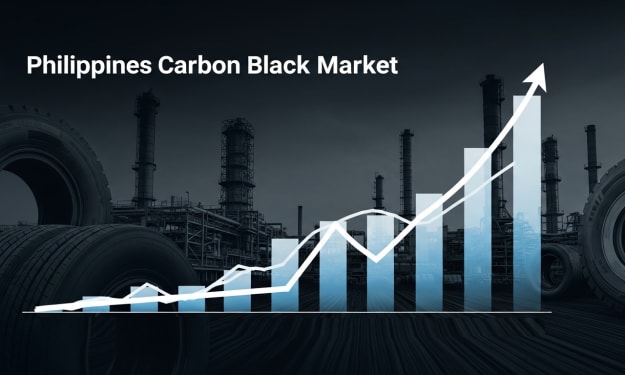
Philippines Carbon Black Market Overview The Philippines carbon black market is developing steadily as industrial production, automotive demand and manufacturing activity continue to expand. The Philippines carbon black market size reached USD 80.55 Million in 2024. Looking forward, the market is projected to reach USD 109.73 Million by 2033, exhibiting a growth rate (CAGR) of 3.14% during 2025-2033. This growth reflects consistent demand from downstream industries rather than rapid structural change.
By Manisha Dixit2 months ago in Earth
Philippines Orphan Drugs Market: Rare Disease Treatment, Access & Healthcare Policy. AI-Generated.
Philippines Orphan Drugs Market Overview The Philippines orphan drugs market is developing gradually as the country strengthens its healthcare infrastructure and improves access to treatment for rare diseases. The Philippines orphan drugs market size reached USD 1.07 Billion in 2024. Looking forward, the market is expected to reach USD 2.36 Billion by 2033, exhibiting a growth rate (CAGR) of 8.26% during 2025-2033. Although relatively small in absolute size, the market plays an important role in addressing unmet medical needs and supporting long-term healthcare sustainability.
By Manisha Dixit2 months ago in Earth
Nvidia CEO Says AI Will Create Jobs for Electricians and Plumbers. AI-Generated.
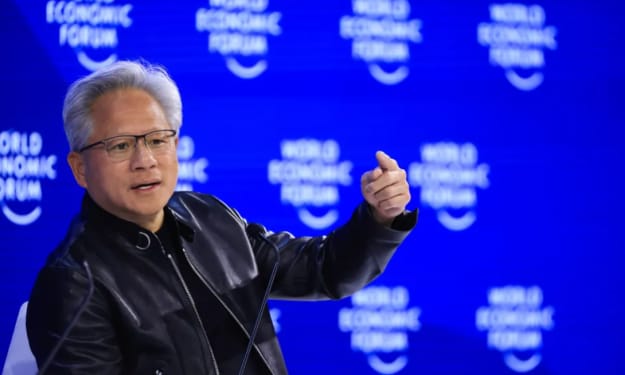
For years, artificial intelligence has been associated with job loss fears. From factory automation to office software, the dominant narrative has suggested that AI will replace human workers across industries. But according to Nvidia CEO Jensen Huang, the AI revolution tells a more complex—and surprisingly optimistic—story.
By Muhammad Hassan2 months ago in Earth
Is the Ukraine–Russia War Pushing the World Toward World War III?
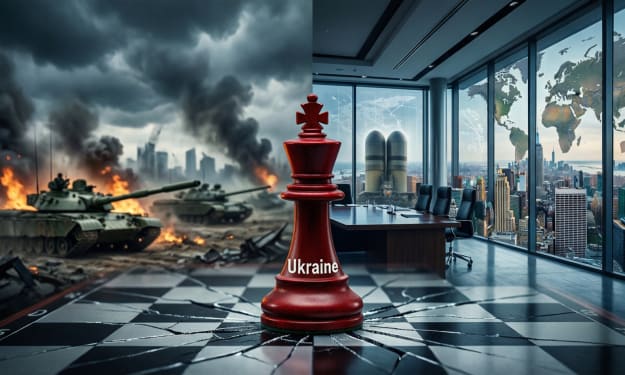
Is the Ukraine–Russia War Pushing the World Toward World War III? The war between Ukraine and Russia began as a regional conflict, but over time it has grown into something much larger. While it is not officially World War III, many experts, analysts, and ordinary citizens are asking the same question: is the world moving dangerously close to a global war?
By Wings of Time 2 months ago in Earth
Winter Storm Watch. What It Means and How to Prepare
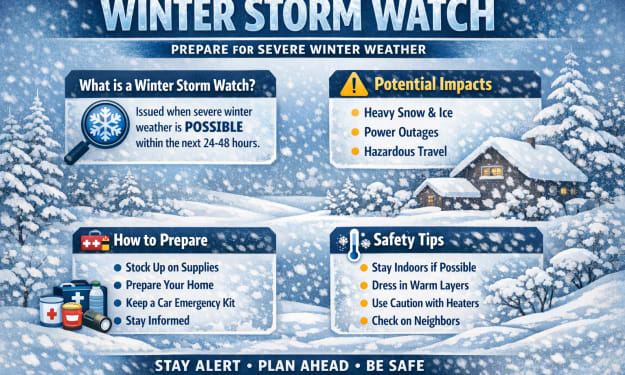
What Is a Winter Storm Watch? A winter storm watch is issued when forecasters identify the possibility of severe winter weather, but the exact timing, location, or intensity is still uncertain. This alert is different from a winter storm warning, which is given when dangerous winter conditions are imminent or already happening. The watch phase is essentially a heads-up. It allows individuals, businesses, and local governments to start preparing before conditions worsen. During this time, meteorologists continue to analyze weather patterns and refine their forecasts. If confidence in the storm increases, the watch may be upgraded to a warning or advisory. Typical conditions associated with a winter storm watch include heavy snow accumulation, ice storms, strong winds, reduced visibility, and extreme cold. These elements can create treacherous roads, power outages, and health risks, especially for vulnerable populations.
By USA daily update 2 months ago in Earth
Pakistan and China Seek to Boost Bilateral Agricultural Trade. AI-Generated.
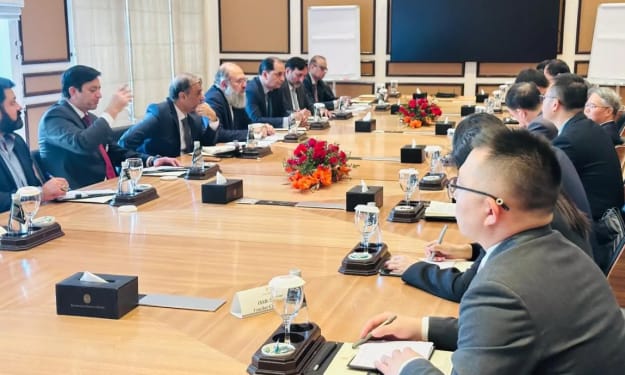
Pakistan and China are taking steps to enhance their bilateral agricultural trade, reflecting a growing focus on food security, technological exchange, and economic cooperation. This initiative comes as both countries look to strengthen ties within the framework of the China-Pakistan Economic Corridor (CPEC) and broader trade agreements, while addressing domestic and global challenges in the agricultural sector.
By Muhammad Hassan2 months ago in Earth
How AI Is Becoming the Next Geopolitical Frontier
Why This Matters Right Now The world is changing faster than ever. Wars, trade, jobs, and even daily life are being reshaped—not only by soldiers and weapons, but by artificial intelligence (AI). Right now, countries are racing to control AI. The reason is simple: whoever leads in AI will likely lead in power, money, and influence. This race is already affecting global politics—and it is quietly touching the lives of ordinary people everywhere. AI is no longer just a technology. It is becoming the next geopolitical frontier.
By LegacyWords2 months ago in Earth
Northern Lights May Be Visible in 10 States Jan. 20 as Earth’s Magnetic Field “Rings Like a Bell” After CME Impact
What Happened: A Massive CME Hit Earth On Jan. 19, 2026, a powerful CME associated with a major X1.9-class solar flare erupted from the sun and traveled the approximately 93 million miles to Earth in around 25 hours — much faster than most such events. When it reached Earth’s magnetic field at about 2:38 p.m. EST, it triggered a severe geomagnetic storm, classified as G4 on NOAA’s geomagnetic storm scale.
By USA daily update 2 months ago in Earth
Temperatures Tomorrow Thursday Drop to Minus 15 Below Zero
Temperatures Tomorrow Thursday Drop to Minus 15 Below Zero Extreme winter conditions are expected tomorrow, Thursday, as temperatures fall to minus 15 below zero. This level of cold is considered severe and can disrupt daily life, transportation, and personal safety. When temperatures reach this extreme, preparation becomes essential, not optional. Understanding the impact of such cold weather helps people make better decisions and stay safe.
By America today 2 months ago in Earth