Sustainability
Industrial Deployment of Biochar in Modern Metal Smelting Systems
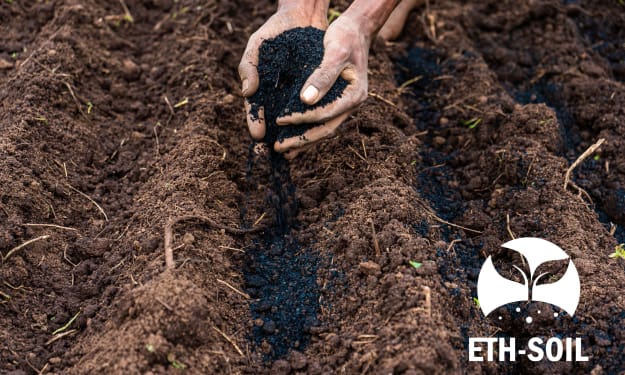
Biochar is increasingly examined as a functional carbonaceous material in high-temperature metallurgical operations. Traditionally dominated by fossil-derived coke and coal, metal smelting processes are under pressure to decarbonize while maintaining reductive efficiency and structural reliability. Biochar, when properly engineered, presents a technically viable supplementary reductant in the production of steel, silicon, and ferroalloy. Its application, however, requires stringent control of physicochemical properties and integration within existing furnace infrastructure.
By Wayne Shenabout 2 hours ago in Earth
Strata & Solar: Bringing Clean Energy to Apartment Living . AI-Generated.
When people talk about solar energy in Australia, the conversation usually revolves around detached homes with a north-facing roof and plenty of sunshine. But what about the millions of Aussies living in apartments, townhouses, and units under strata?
By SolarLover2 days ago in Earth
I Felt The 4.6 Magnitude Earthquake This Morning
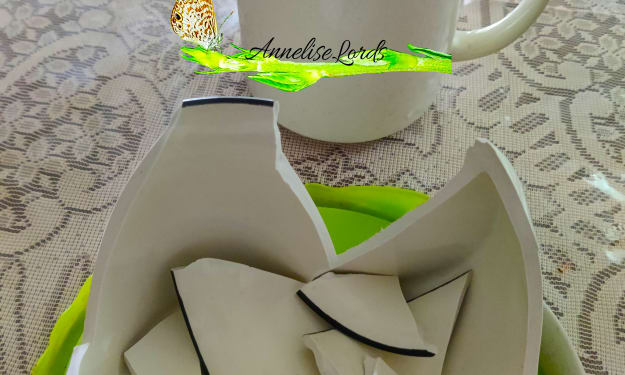
The earth is that cup that I drink from. Stress has broken it. While doing my yoga on my living room floor on my yoga mat this morning, I felt my house shake. Fear didn't take its time to rush through my entire body, heart, and soul. I was terrified for the few seconds it lasted. My fear is still with me, even though it didn't do much damage.
By Annelise Lords 2 days ago in Earth
The Eiffel Tower: Paris’s Iron Soul and the Story Behind Its Global Magic
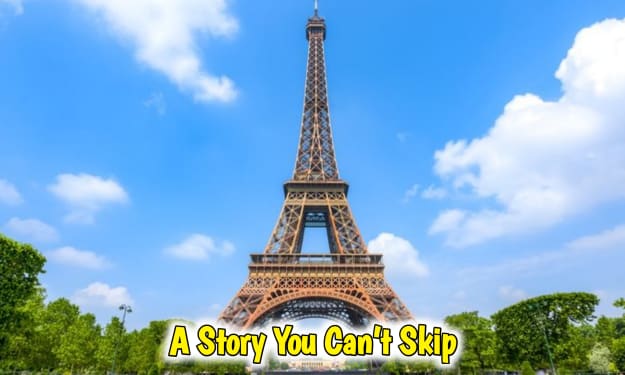
The Eiffel Tower is more than a landmark rising above the Paris skyline. It is a symbol of human imagination, engineering courage, and the timeless romance of France. Millions visit it every year, yet few know the deeper story—how a controversial iron structure built for a temporary event became one of the most beloved monuments on Earth. Standing tall since 1889, the Eiffel Tower has witnessed revolutions, world wars, artistic movements, and generations of travelers who came to Paris searching for beauty, inspiration, or simply a moment they would never forget. 🌍 A Monument Born From a Global Celebration The Eiffel Tower was created for the 1889 Exposition Universelle, a world fair celebrating the 100th anniversary of the French Revolution. The French government held a competition for a monument that would represent modern engineering and national pride. Over 100 designs were submitted, but the winning proposal came from Gustave Eiffel, a renowned engineer whose company specialized in metal frameworks. Construction began on January 28, 1887, and was completed on March 31, 1889—an astonishing achievement in just over two years. When it opened, the tower served as the grand entrance to the exposition, welcoming millions of visitors from around the world. 🛠️ Engineering Genius: How the Tower Was Built The Eiffel Tower was a radical idea for its time. Paris was a city of stone, sculptures, and classical architecture. A 300‑meter iron tower seemed outrageous to many. Yet Gustave Eiffel and his team believed in the power of innovation. Key engineering facts - Height at completion: 300 meters (984 ft), making it the tallest structure in the world until 1930. - Current height: 330 meters (1,083 ft) including antennas. - Weight: About 10,100 tons. - Iron pieces: 18,038 individual components. - Stairs: 1,665 steps to the top. - Construction time: 2 years, 2 months, 5 days. The tower’s lattice design wasn’t just artistic—it was functional. The open iron framework allowed wind to pass through, giving the structure remarkable stability. Gustave Eiffel famously said the tower was “not only the art of the engineer, but also the art of the architect.” 🎨 From Controversy to Cultural Icon When the Eiffel Tower was unveiled, not everyone loved it. In fact, many Parisians hated it. Writers, artists, and intellectuals signed petitions calling it an eyesore. They said it looked like a “giant smokestack” and would ruin the beauty of Paris. But as time passed, the tower won hearts. - It became a symbol of modernity. - It became a symbol of Parisian pride. - It became a symbol of France itself. By the early 20th century, the Eiffel Tower had transformed from a temporary exhibition piece into a permanent global icon. 📡 A Tower That Saved Itself The Eiffel Tower was originally meant to stand for only 20 years. After the exposition, it was supposed to be dismantled. What saved it? Science. Gustave Eiffel allowed the tower to be used for radio experiments. Its height made it ideal for broadcasting signals. During World War I, the tower intercepted enemy communications, helping France in critical moments. Its usefulness ensured its survival. 💑 The Human Side: Why the Eiffel Tower Feels Magical People don’t fall in love with the Eiffel Tower because of its measurements or engineering. They fall in love with how it makes them feel. Standing beneath it, you feel small—but in a good way. Climbing it, you feel connected to history. Seeing Paris from the top, you feel like the world is bigger and more beautiful than you realized. The tower has become: - A symbol of love - A backdrop for proposals - A dream destination for travelers - A muse for artists and filmmakers It is the beating heart of Paris. 🌆 Visiting the Eiffel Tower: What to Expect A visit to the Eiffel Tower is a journey through levels of history, architecture, and breathtaking views. The Esplanade The ground level offers a close-up look at the tower’s massive iron legs and the engineering that holds it together. The First Floor - Transparent floors - Exhibits on the tower’s history - Restaurants and shops The Second Floor This level offers one of the best panoramic views of Paris—close enough to see details, high enough to feel the city’s scale. The Summit At 276 meters, the top floor gives a sweeping view of the entire Paris region. Gustave Eiffel’s private office has been recreated here. 🌙 The Eiffel Tower at Night Every evening, the Eiffel Tower lights up with a warm golden glow. And for five minutes at the start of each hour, it sparkles with 20,000 twinkling lights. This nightly ritual has become one of the most magical sights in the world. 📚 Fun and Surprising Facts - The Eiffel Tower was the tallest structure in the world until the Chrysler Building surpassed it in 1930. - It was originally painted red‑brown, then yellow, and now “Eiffel Tower Brown.” - Gustave Eiffel’s company also built the metal framework for the Statue of Liberty. - The tower sways slightly in strong winds—up to 9 cm. - It is the most visited paid monument in the world. 💬 Why the Eiffel Tower Still Matters The Eiffel Tower endures because it represents something universal: the human desire to create, to innovate, and to leave something beautiful behind. It is a reminder that even the most controversial ideas can become beloved. It is proof that art and engineering can coexist. It is a symbol of Paris, of France, and of the world’s shared cultural heritage. If this story brought the Eiffel Tower to life for you, share it with someone who dreams of visiting Paris. Leave a comment with your favorite Eiffel Tower moment—or the moment you hope to experience someday. And if you’d like to support more human‑centered, deeply researched stories like this, feel free to leave a tip. It helps bring more inspiring content to life.
By Haroon Pasha3 days ago in Earth
Batch vs. Continuous Pyrolysis: Choosing the Right Reactor for Biochar Production
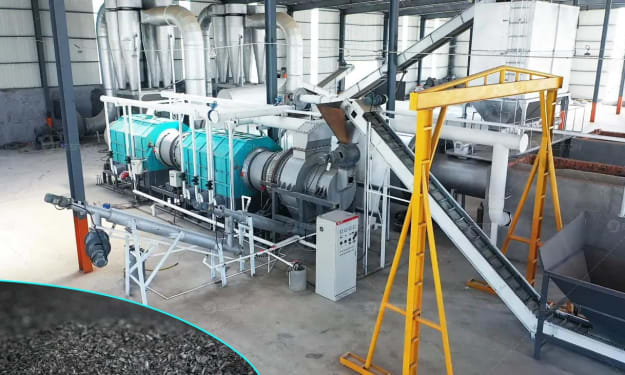
The global biochar market is experiencing a period of rapid expansion. Driven by the need for scalable carbon dioxide removal (CDR) and a growing demand for soil amendments, project developers are moving from pilot studies to commercial production. However, for those entering the space, one of the most critical decisions involves the core technology itself: the pyrolysis reactor.
By Bestonpyrolysis7 days ago in Earth
The Technical Rise of Naphtha Recovery from Plastic Waste
For decades, the global narrative surrounding plastic has been defined by a linear economy: produce, use, and dispose. While mechanical recycling has served as the primary method for managing plastic waste, its limitations are well documented. Degradation of polymer chains, contamination from food waste, and the complex composition of multilayer packaging mean that a significant portion of collected plastics—often cited as high as 70%—is relegated to landfills or incineration.
By Bestonpyrolysis7 days ago in Earth
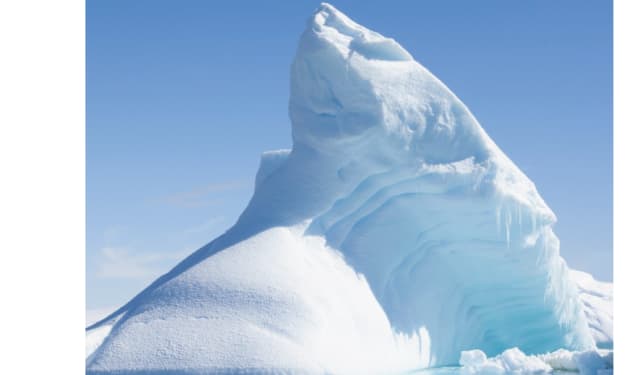
The most severe ice melt episodes in Greenland are becoming significantly worse.
The ice sheet in Greenland has always somewhat melted throughout the summer. That is typical. The frequency of the most severe melt events and the amount of water they produce are no longer typical.
By Francis Dami8 days ago in Earth
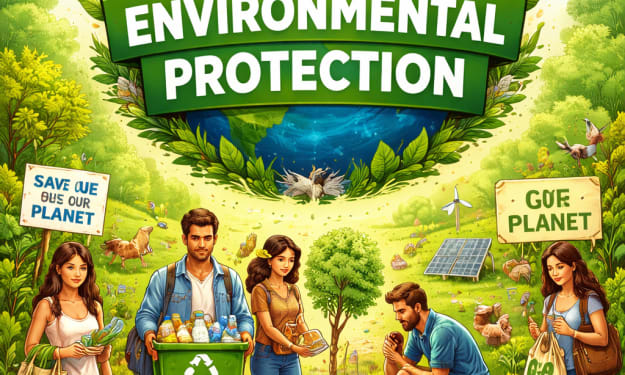
Small Actions, Big Responsibility
🌍 Environmental Protection: Small Actions, Big Responsibility Environmental protection is no longer a choice — it is a responsibility. Every day, the planet shows us signs that something is wrong: rising temperatures, plastic-filled oceans, disappearing forests, and extreme weather. The truth is simple but uncomfortable — human activities are pushing Earth beyond its limits.
By Being Inquisitive9 days ago in Earth