
What Are MIL-SPEC Connectors? A Simple Look at the Hardware Behind Reliable Military Systems
When reliability matters most, even the smallest electrical connection becomes a mission-critical component.

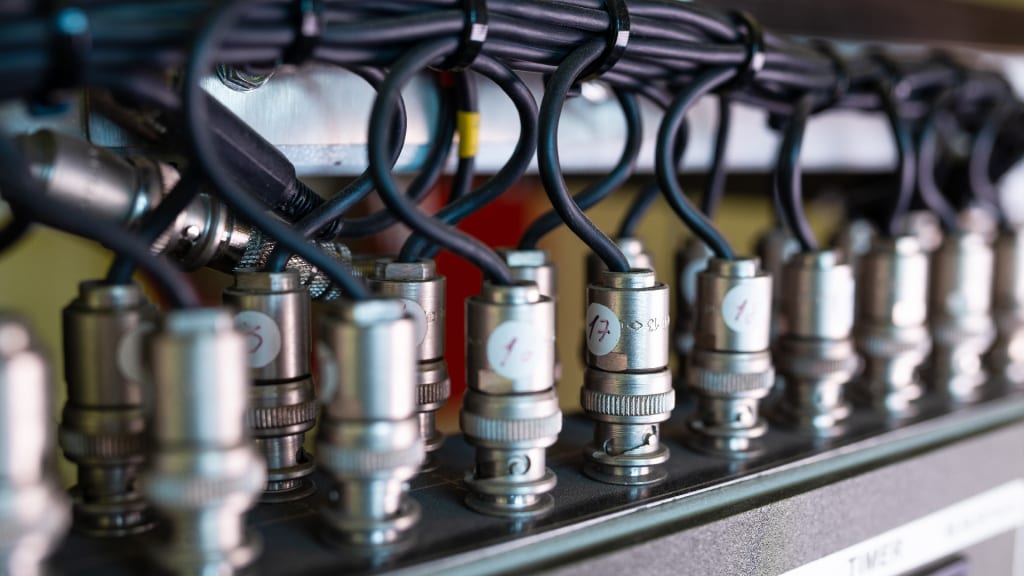
The First Time I Realized Why Connectors Matter
When people think about military technology, they often picture fighter jets, radars, or advanced weapons systems. What many overlook is something much smaller but just as important connectors.
Every modern aircraft, defense vehicle, or communication system relies on hundreds of electrical connections. These connections carry power, signals, and data between systems. If even one fails at the wrong moment, it can affect an entire operation.
That is where MIL-SPEC connectors come into play. They are not ordinary connectors. They are designed to survive extreme environments where reliability is non-negotiable.
From heat and vibration to dust and moisture, these connectors are built to handle conditions that typical commercial connectors simply cannot tolerate.
What Are MIL-SPEC Connectors?
MIL-SPEC connectors are electrical connectors designed according to strict military standards. The term "MIL-SPEC" stands for Military Specification, a set of technical requirements defined by defense organizations to ensure consistent performance, durability, and safety.
These connectors are commonly used in:
- Military aircraft
- Defense communication systems
- Radar and surveillance equipment
- Naval electronics
- Ground vehicles and armored platforms
What makes them different from standard connectors is not just the materials used, but also the rigorous testing and design standards they must meet.
In simple terms, MIL-SPEC connectors are built for situations where failure is simply not an option.
Why the Military Developed Specialized Connectors
If we look at the history of military technology, one pattern becomes clear: equipment must operate in conditions far harsher than civilian systems.
Think about an aircraft flying at high altitude, a naval system exposed to saltwater, or a ground vehicle moving through sand and dust. Regular connectors would wear out quickly in these environments.
To solve this challenge, engineers created military specifications that define how connectors should be designed and tested.
These standards ensure connectors can handle:
- Strong vibration and mechanical stress
- Extreme temperatures
- Moisture and corrosion
- Electromagnetic interference
- Long operational lifecycles
Over time, these requirements shaped the development of the military grade connectors we see today.
Key Characteristics of MIL-SPEC Connectors
While designs vary depending on the application, most MIL-SPEC connectors share several important characteristics.
Common features include
- High durability: Built to withstand physical stress and repeated use
- Environmental sealing: Protection against dust, moisture, and contaminants
- Secure locking mechanisms: Prevent accidental disconnection
- Temperature resistance: Capable of operating in very hot or cold environments
- Signal reliability: Ensures consistent electrical performance
These features help maintain stable connections in complex military systems.
Where MIL-SPEC Connectors Are Commonly Used
One of the reasons these connectors remain so important is their wide range of applications. In aerospace and defense environments, they support multiple critical systems.
Typical applications include
- Aircraft avionics systems
- Military communication networks
- Radar and sensor equipment
- Satellite and space systems
- Ground vehicle electronics
Even commercial aerospace manufacturers sometimes adopt similar standards because the reliability benefits are difficult to ignore.
The Importance of Reliable Supply in Defense Electronics
Another aspect that often goes unnoticed is the supply chain behind these components. Military systems depend on trusted manufacturers and distributors to ensure consistent availability of specialized hardware.
Companies such as 3 Phoenix Inc play a role in supporting the broader ecosystem that supplies electronic components and hardware used in aerospace and defense maintenance operations. While connectors themselves may seem small, the network that produces and distributes them is essential for keeping larger systems operational.
Why MIL-SPEC Connectors Still Matter Today
Technology continues to evolve rapidly, especially in defense electronics. Systems are becoming more complex, more connected, and more data-driven. Despite these changes, the importance of reliable connectors has not diminished. In fact, it has increased. A modern aircraft or military vehicle may contain thousands of electrical connections, all working together to support navigation, communication, sensors, and control systems.
In my opinion, connectors rarely receive the attention they deserve, yet they are one of the quiet foundations of modern defense technology. Without dependable connections, even the most advanced system would struggle to function.
“In engineering, reliability is never accidental. It is designed into every bolt, wire, and connector long before a machine ever leaves the ground.”
About the Creator
Beckett Dowhan
Where aviation standards meet real-world sourcing NSN components, FSG/FSC systems, and aerospace-grade fasteners explained clearly.
Keep reading
More stories from Beckett Dowhan and writers in FYI and other communities.
Key Hardware Components That Keep Aircraft Structures Secure
Modern aircraft are built with exceptional precision, combining advanced engineering with thousands of interconnected components. While engines, avionics systems, and aerodynamic structures often receive the most attention, the smaller structural hardware used throughout an aircraft plays an equally critical role. These components provide the connections and reinforcement necessary to keep the aircraft stable, secure, and capable of withstanding the demanding conditions of flight.
By Beckett Dowhan3 days ago in FYI
The Story Behind the Green White Orange Flag Colors
Across different parts of the world, color combinations in national flags carry deep meaning. They reflect struggles, beliefs, landscapes, and shared identity. One of the most recognizable tricolor patterns is the green, white, and orange combination. At first glance, it may look like a simple arrangement of bright colors. But behind it lies a layered story shaped by politics, faith, and cultural pride.
By Scott Andery6 days ago in FYI




Comments
There are no comments for this story
Be the first to respond and start the conversation.