social media
Social Media targeted at influencers and trending topics in the geek universe.
Zoey's Extraodinary Playlist?
Can I be totally transparent? Yes? Okay, I haven't really been that interested in anything I have absorbed on television or the internet in years. To be quite frank, art however, subjective it always turns out to be has really been lacking for me, personally, as a viewer of the craft. Ever since the pandemic, it feels like, nothing seems to be interesting or entertaining. Everything seems almost dull or is trying a bit too hard to be something it's clearly missing the mark in.
By Parsley Rose about a month ago in Geeks
Copper Price Today. AI-Generated.
Copper, often referred to as the backbone of modern infrastructure, has once again captured global attention as prices surge to historic levels. The metal plays a critical role in construction, power grids, renewable energy systems, electronics, and transportation. Because of its widespread industrial use, copper prices are widely considered a barometer of economic health. Today’s price movements suggest not only short-term volatility but also deeper structural changes shaping the future of commodities. Current Copper Price Snapshot As of late January 2026, copper prices have climbed to record highs across major global exchanges. The London Metal Exchange (LME) three-month copper contract recently rose about 6.6% to roughly $13,953.50 per metric ton, after briefly touching nearly $13,967. Meanwhile, the most-traded contract on the Shanghai Futures Exchange jumped over 6% to 108,740 yuan (about $15,652 per metric ton), also reaching an all-time high. The rally reflects a strong shift in investor sentiment toward physical assets, fueled by geopolitical tensions and a weakening U.S. dollar that has made dollar-denominated commodities more attractive internationally. Analysts have responded by raising their expectations for the year ahead. A recent poll indicates the average copper price forecast for 2026 has moved above $11,000 per ton for the first time, with estimates near $11,975 amid supply disruptions and speculative trading. What Is Driving Copper Higher? 1. Supply Disruptions and Market Deficits One of the most significant drivers behind the price surge is constrained supply. Mine disruptions and operational setbacks have tightened availability, prompting analysts to increase projections for a global market deficit to more than 238,000 tons. Longer-term research echoes this concern. J.P. Morgan projects a refined copper deficit of roughly 330,000 metric tons in 2026, suggesting the imbalance between supply and demand could persist. 2. Structural Demand From Technology and Energy Copper is essential for electric infrastructure, smart grids, data centers, and electric vehicles—sectors expanding rapidly as economies modernize. Each electric vehicle requires significantly more copper than traditional combustion models, reinforcing long-term demand growth. Additionally, investments in artificial intelligence infrastructure and renewable energy projects are strengthening consumption trends, creating a durable foundation for higher prices. 3. Macro Forces and Investor Behavior Commodity markets rarely move in isolation. The Federal Reserve’s decision to keep interest rates unchanged has contributed to a weaker dollar, which typically supports metals prices by making them cheaper for overseas buyers. At the same time, geopolitical uncertainty has encouraged investors to diversify into hard assets, aligning copper with other metals that have recently set records. Recent Price Momentum Market data shows that copper has been steadily climbing since early 2025, rallying more than 20% amid tightening supply conditions. On India’s Multi Commodity Exchange, futures recently traded near Rs 1,330 per kilogram, approaching lifetime highs after rising sharply from earlier lows around Rs 913. Such upward momentum suggests the current rally is not merely speculative but tied to the metal’s growing industrial relevance. Forecasts: Will Prices Stay Elevated? Forecast opinions vary, but most institutions agree that copper will remain historically strong. J.P. Morgan expects prices to reach about $12,500 per ton in the second quarter of 2026, averaging near $12,075 for the year. Bank of America estimates an annual average near $11,313 per ton, citing supply squeezes and steady demand. Goldman Sachs anticipates prices largely staying within $10,000–$11,000, arguing that a modest surplus could prevent sustained spikes beyond that Taken together, third-party forecasts generally span $9,800 to $12,500 per ton, highlighting both opportunity and uncertainty in the copper market. Risks That Could Slow the Rally Despite bullish sentiment, analysts remain cautious. Weak industrial demand—particularly from major manufacturing economies—could limit further gains if economic growth slows. Goldman Sachs also notes that although long-term demand from power infrastructure is strong, the market may remain balanced rather than deeply undersupplied, reducing the likelihood of runaway prices. Another risk is substitution. As copper becomes more expensive, manufacturers may gradually shift toward alternative materials such as aluminum, though this process typically unfolds over longer timelines. Why Copper Matters Beyond Commodities Copper’s influence extends far beyond trading floors. Because it is used in nearly every form of electrical transmission, the metal is central to the global energy transition. Expanding grids, renewable power installations, and electrified transportation systems all rely heavily on copper wiring and components. This connection has transformed copper from a cyclical industrial metal into a strategic resource tied to technological progress. Analysts increasingly view it as a cornerstone commodity for the 21st-century economy. Trading Activity and Market Signals Recent futures trading data underscores the market’s heightened activity. Estimated daily volume on COMEX reached over 81,000 contracts, with open interest near 282,690, reflecting substantial participation from institutional and retail traders alike. Such engagement often signals strong conviction about future price direction, though it can also amplify short-term volatility. The Bigger Picture Today’s copper price surge is more than a headline—it reflects a convergence of supply constraints, technological transformation, and macroeconomic uncertainty. While short-term corrections are always possible, the long-term narrative points toward sustained relevance for the red metal. Whether prices ultimately stabilize near current levels or retreat slightly, copper’s strategic importance appears unlikely to fade. As the world electrifies and digital infrastructure expands, demand is poised to remain resilient. Conclusion Copper prices today illustrate a market in transition. Record highs highlight the growing value of materials that support modern life, from renewable energy systems to advanced computing networks. Yet the outlook remains balanced between optimism and caution, shaped by both structural demand and unpredictable global conditions. For investors, manufacturers, and policymakers alike, copper is no longer just another industrial commodity—it is a signal of where the global economy is heading. Monitoring its price movements offers insight into broader trends, including technological adoption, infrastructure investment, and geopolitical stability.
By Saboor Brohi 2 months ago in Geeks
Where Is Nicki Minaj From? Her Background, Childhood, and Life Story. AI-Generated.
Where Is Nicki Minaj From? Her Background, Childhood, and Life Story Nicki Minaj is one of the most recognizable artists in the world. Known for her bold style, unique voice, and powerful presence in music, she has built a career that continues to inspire fans across the globe. But beyond the fame, many people are curious about her roots and early life. Where was Nicki Minaj born? What was her childhood like? How did her journey begin? Here is her story explained in a simple, respectful, and easy-to-read way. Where Was Nicki Minaj Born? Nicki Minaj was born in Port of Spain, Trinidad and Tobago, a beautiful Caribbean country known for its culture, music, and colorful traditions. Her birth name is Onika Tanya Maraj. As a young child, she lived in Trinidad with her grandmother in an area called Saint James. During this time, her mother moved to the United States to prepare a better life for the family. When Nicki was around five years old, she joined her mother in New York City. They eventually settled in South Jamaica, Queens, where Nicki spent most of her childhood and teenage years. Growing Up in New York Life in Queens played a major role in shaping Nicki Minaj’s personality and dreams. Like many young people growing up in busy cities, she experienced challenges but also found inspiration around her. She attended school in New York and developed a strong interest in the arts from a young age. She loved performing, writing, and expressing herself creatively. Over time, she began to realize that music was more than just a hobby — it was her passion. Her early environment helped build the confidence and drive that would later define her career. Her Cultural Roots Matter Nicki Minaj has often shown pride in her Caribbean heritage. She speaks positively about her background and embraces the culture she was born into. Many fans appreciate that she honors her roots while also celebrating the life she built in the United States. Her story connects with people from many different backgrounds, especially those who grew up between cultures or moved to new places at a young age. Her Journey to Success Nicki Minaj’s success did not happen overnight. Her rise in the music industry came after years of hard work, persistence, and belief in herself. She started by sharing her talent, building a fan base, and slowly gaining attention for her unique style. Over time, she became known for her creativity, confidence, and powerful performances. Today, she is recognized worldwide for her influence in music and pop culture. Why Fans Care About Her Story People are drawn to Nicki Minaj not only for her music but also for her life journey. Her background shows resilience, ambition, and growth. Fans often feel inspired by how far she has come and how she stayed true to herself along the way. Her story reminds many people that your beginnings do not define your limits. A Story That Inspires Nicki Minaj’s life reflects themes of determination, identity, and perseverance. From her early childhood in Trinidad to growing up in Queens and eventually becoming a global star, her path has been shaped by effort and self-belief. She represents the idea that with passion and persistence, it is possible to overcome obstacles and achieve big dreams. Final Thoughts Nicki Minaj was born in Trinidad and Tobago and grew up in New York City. Her journey from a young girl with dreams to an international icon continues to inspire millions. Her story is not just about fame — it is about growth, strength, and staying connected to your roots while building your future.
By Farhan Khan2 months ago in Geeks
Nicki Minaj in the Spotlight. AI-Generated.
Nicki Minaj has long been recognized as one of the most influential figures in modern hip-hop, celebrated for her distinctive voice, lyrical precision, and global fan base. Yet beyond music, the rapper frequently draws attention for her personal life and political associations. Recently, conversations surrounding nicki minaj, her relationship with former President Donald Trump, her immigration status, and her marriage to kenneth petty have sparked widespread discussion.
By Saboor Brohi 2 months ago in Geeks
Why Los Angeles Fashion Apps Lose Users After the First Purchase?
I’ve worked on enough fashion apps in Los Angeles to know when a product looks successful but isn’t healthy. The first purchase goes through smoothly. The checkout feels elegant. Order confirmation screens look on-brand.
By Mary L. Rodriquez2 months ago in Geeks
Does Marcello Hernández Have a Girlfriend? A Simple Look at the SNL Star’s Personal Life. AI-Generated.
Does Marcello Hernández Have a Girlfriend? A Simple Look at the SNL Star’s Personal Life Marcello Hernández is quickly becoming one of the most recognizable new faces in comedy. Best known for his work on Saturday Night Live, Marcello has built a strong fan base thanks to his natural charm, relatable humor, and honest storytelling. As his career continues to rise, many fans are asking a common question: Does Marcello Hernández have a girlfriend? This article shares what is publicly known about his relationship status in a respectful and safe way. Who Is Marcello Hernández? Marcello Hernández is a comedian and actor who gained national attention after joining the cast of Saturday Night Live. His performances on the show have made him popular with audiences of all ages. Before reaching this level of success, Marcello worked hard to grow his career. Like many performers, he took on different jobs while trying to make a name for himself in New York City. Over time, his dedication paid off. His style of comedy, which focuses on everyday experiences, family life, and cultural identity, helped him stand out. In 2026, Marcello released a Netflix comedy special titled American Boy. The special received positive attention because it focused on personal growth, family relationships, and real-life experiences. Many viewers appreciated his storytelling approach, which felt sincere and relatable. Why People Are Curious About His Personal Life When someone becomes popular, public curiosity naturally grows. Because Marcello often speaks about life experiences in his comedy, fans feel connected to him. This connection leads many people to search for information about his life outside of work, including whether he is in a relationship. This type of interest is common for public figures, especially those who build strong relationships with their audiences. Does Marcello Hernández Have a Girlfriend? Yes, Marcello Hernández is currently in a relationship. He is dating Ana Amelia Batlle Cabral. Ana is a professional in the creative field. She works as an architect, sculptor, and furniture designer. She is also a graduate of Yale University and helped co-found a design firm called Batlle and Sig. Her work focuses on thoughtful and meaningful design projects. Although she is not part of the entertainment industry, Ana has built a successful career through education, creativity, and dedication. Are Marcello Hernández and Ana Amelia Married? No, they are not married. There were online rumors in early 2026 suggesting the couple had gotten married, but those claims were incorrect. There has been no official announcement of engagement or marriage from either Marcello or Ana. The couple appears to keep their relationship mostly private, which is a personal choice many public figures make. What Marcello Has Shared Publicly Marcello has spoken respectfully about his relationship in interviews. During a January 2026 appearance on Dax Shepard’s podcast Armchair Expert, he confirmed that he was in a relationship when asked about his dating life. He spoke positively about his girlfriend, mentioning her education and career accomplishments. His comments showed admiration and respect, without sharing private details. This balanced approach has helped him maintain a positive public image. Marcello Hernández Keeps His Life Low-Key One thing fans notice about Marcello is that he does not overshare online. There is very little public information about his past relationships, which suggests that he prefers to keep his private life separate from his professional career. This approach allows him to stay focused on his work while still connecting with fans through his comedy. Why Marcello Hernández Continues to Gain Fans Marcello’s popularity continues to grow because people see him as genuine. His rise from working behind the scenes to becoming a successful performer on Saturday Night Live is inspiring. His storytelling feels real, his humor feels honest, and his public behavior feels respectful. Many fans appreciate that his reputation is built on talent and effort rather than controversy. Final Thoughts So, does Marcello Hernández have a girlfriend? Yes. He is currently dating Ana Amelia Batlle Cabral, a talented professional in the design world. They are not married, and both appear to value privacy when it comes to their relationship. As Marcello’s career continues to grow, public curiosity will likely grow as well. However, what stands out most about him is not his relationship status, but his dedication, creativity, and strong work ethic.
By Farhan Khan2 months ago in Geeks
Winter Storm Weather Forecast. AI-Generated.
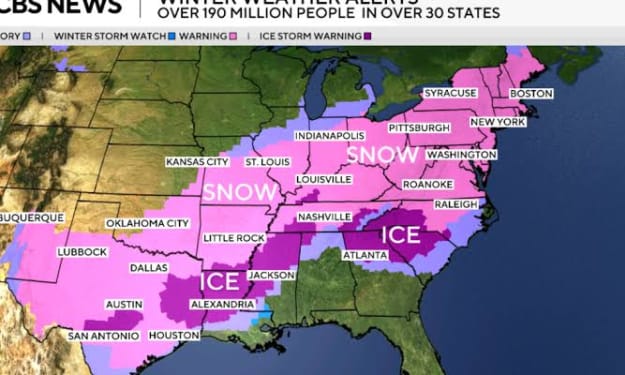
As winter tightens its grip across many regions, meteorologists are closely monitoring a developing storm system that is expected to bring a mix of snow, freezing rain, and bitter cold temperatures. Winter storms are complex weather events, often forming through the interaction of cold Arctic air and moist systems moving from warmer regions. While forecasts continue to evolve, early indicators suggest that this storm could have wide-reaching impacts on travel, infrastructure, and daily routines. Understanding the Current Weather Pattern The upcoming winter storm is being driven by a powerful jet stream dip, allowing cold polar air to surge southward. At the same time, a low-pressure system is pulling moisture from lower latitudes. When these two forces meet, they create ideal conditions for snow and ice. Forecast models show that temperatures will drop sharply ahead of the storm, setting the stage for frozen precipitation. Areas that typically experience mild winters may see rare snowfall, while colder regions could face heavy accumulation. The exact track of the storm remains a critical factor, as even slight shifts can change rain into snow or snow into ice. Snowfall and Ice Accumulation Expectations One of the main concerns with this winter storm is the potential for significant snowfall in some regions and dangerous ice buildup in others. Northern and higher-elevation areas are expected to see steady snowfall, with totals increasing over a 24- to 48-hour period. Consistent snowfall can reduce visibility, make roads slick, and increase the risk of accidents. In contrast, regions closer to the storm’s southern edge may experience freezing rain. Ice accumulation, even in small amounts, can be especially hazardous. Power lines, trees, and roadways are all vulnerable when ice forms rapidly. Forecasts suggest that some areas could see a transition from snow to sleet and freezing rain as warmer air briefly moves in at higher altitudes before cold air reasserts itself at the surface. Temperature Drops and Wind Chill Concerns Beyond precipitation, the storm is expected to usher in a wave of extremely cold air. Temperatures are forecast to fall well below seasonal averages, particularly overnight. Strong winds accompanying the system could push wind chill values even lower, making conditions feel dangerously cold. Wind chills can increase the risk of frostbite and hypothermia, especially for those spending extended time outdoors. Meteorologists warn that exposed skin may be affected within minutes in the coldest areas. These conditions emphasize the importance of proper winter clothing and limiting unnecessary outdoor exposure during peak cold periods. Travel Disruptions and Safety Risks Winter storms often bring widespread travel disruptions, and this event is unlikely to be an exception. Snow-covered roads, icy bridges, and reduced visibility can lead to delays and closures. Airports may experience cancellations or long delays as crews work to de-ice runways and aircraft. Drivers are urged to monitor road conditions closely and avoid travel during the worst of the storm if possible. Emergency services often see an increase in calls during winter weather events, making it critical for individuals to plan ahead. Stocking vehicles with basic emergency supplies, such as blankets, water, and flashlights, can make a significant difference if travel becomes unavoidable. Impact on Power and Infrastructure Heavy snow and ice can place strain on power grids, particularly when ice accumulates on power lines and tree branches. Forecasts indicate that some regions may face scattered power outages, especially where freezing rain is most likely. Utility crews typically prepare in advance, but restoration efforts can be slowed by ongoing weather conditions. Infrastructure such as water systems and heating equipment can also be affected by extreme cold. Frozen pipes remain a common issue during prolonged cold spells, highlighting the importance of insulation and preventive measures in homes and businesses. How Forecasts May Change While meteorologists rely on advanced computer models to predict storm behavior, winter weather remains one of the most challenging forecasts. Small changes in temperature profiles or storm track can significantly alter outcomes. As the storm approaches, forecasts will become more refined, offering clearer details on snowfall totals, ice accumulation, and timing. Residents are encouraged to stay informed through trusted weather updates rather than relying on early projections alone. Local forecasts often provide more precise information tailored to specific regions, which is especially important during rapidly changing conditions. Preparing for the Winter Storm Preparation is key to minimizing the impact of severe winter weather. Households should ensure they have sufficient food, medications, and heating supplies in case travel becomes difficult. Checking heating systems and sealing drafts can help maintain warmth indoors during extreme cold. For those in snow-prone areas, having snow removal tools ready can ease post-storm cleanup. Pet owners should also plan for their animals, ensuring they have warm shelter and limiting exposure to harsh conditions. A Reminder of Winter’s Power Winter storms serve as a reminder of nature’s ability to disrupt even the most routine aspects of daily life. While modern forecasting and infrastructure help reduce risks, the combination of snow, ice, and cold remains a serious challenge. Awareness, preparation, and timely information are the most effective tools for staying safe. As this storm develops, staying updated and taking precautions can help communities weather the cold safely. While the storm may pass in a matter of days, its effects can linger, making thoughtful preparation and patience essential throughout the winter season.
By Saboor Brohi 2 months ago in Geeks
Sudan’s Military Claims Breakthrough After Lifting RSF Siege in Kordofan. AI-Generated.
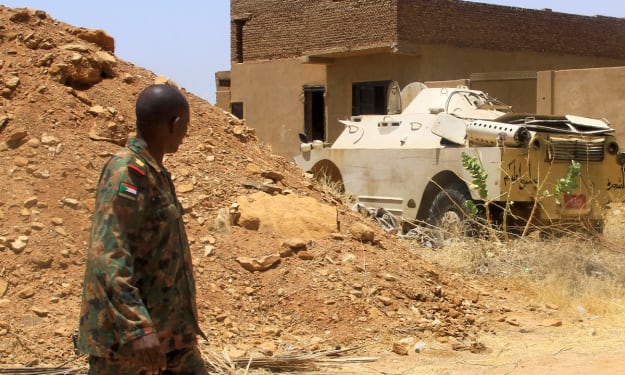
Sudan’s enduring civil war — now in its third year — has been marked by devastating sieges, shifting frontlines, and immense human suffering. On January 26, 2026, the Sudanese Armed Forces (SAF) announced a significant military development: they have broken the nearly two‑year siege imposed by the paramilitary Rapid Support Forces (RSF) on the strategically located town of Dilling in South Kordofan. According to the military, this achievement also means regaining control over major supply routes that had been choked off by the RSF in its attempt to dominate the region. Dilling sits at the heart of South Kordofan and once served as a vital connector between the state’s capital, Kadugli, and key cities to the north and west. By holding Dilling, the RSF had effectively isolated large parts of the region, constricting the flow of food, medicine, and other essential goods and deepening a severe humanitarian crisis. But Sudan’s military says it has reopened the main Dilling road, allowing relief supplies and trade to begin flowing once again. In an official statement, the SAF declared that its forces had inflicted “heavy losses” on the RSF and its allies during the operation to retake access to the town. The military described its advance as a “successful operation” and vowed to continue pressing its campaign until stability is restored across the country. Despite these claims, there has been no immediate response from the RSF — a group that has been in open conflict with the military since April 2023, when a power struggle between the two factions erupted into widespread violence across Sudan. Background: A War That Has Reshaped Sudan Sudan’s conflict began as a clash over control of the state between the established army and the RSF — a powerful paramilitary force originally formed from militia units. What started as a dispute within the Sudanese power structure soon escalated into a full‑blown civil war, engulfing multiple regions, displacing millions, and creating profound humanitarian challenges. International agencies estimate that tens of thousands of people have lost their lives, though exact figures vary, and more than 14 million people have been forced from their homes. The fighting has not been limited to South Kordofan. Other regions — including Darfur and parts of central Sudan — have seen intense clashes, siege operations, and shifting territorial control. Notably, the RSF took control of el‑Fasher in North Darfur in October 2025, a territory that had long been a bastion of resistance against its expansion. Against this backdrop, breaking the siege of Dilling represents a strategic victory for the Sudanese army. The reopening of major supply lines may enable deeper military advances into Kordofan and potentially disrupt RSF operations in other strongholds. Analysts also suggest that this development could weaken the RSF’s ability to project influence across key transportation routes in central and southern Sudan. What This Means for Civilians For the residents of Dilling and surrounding districts, the siege’s end could bring much‑needed relief. During the period of isolation, shortages of food, clean water, and medical supplies were severe. While independent verification is limited due to the conflict conditions, humanitarian groups have reported that hunger and malnutrition were widespread, and many families faced extreme hardship. The lifting of the siege could allow for the delivery of food, medicines, and other critical supplies — a lifeline that had been cut off for months. Yet, the challenges remain enormous. Even with the route open, securing safe and sustained humanitarian access requires cooperation among warring parties and protections for aid workers — neither of which are guaranteed in Sudan’s fragmented and violent environment. International observers caution that improvements on the ground may be slow and uneven, especially as fighting continues elsewhere in the country. Broader Implications for the Conflict The battle for Dilling underscores a broader strategic contest in Sudan’s protracted war. Control over infrastructure, roads, and supply routes has been as consequential as territorial gains in urban centers. For the military, regaining Dilling strengthens logistical capabilities and could pave the way for further operations into RSF‑held areas. For the RSF, the loss signals pressure on its hold over critical regions and potential vulnerabilities in its supply and communication networks. It also reflects a wider pattern of shifting fortunes. In recent months, both sides have had notable gains and setbacks. The RSF’s capture of key positions in West Kordofan and other zones demonstrated its continued capabilities, even as the SAF has pursued aggressive counter‑offensives on multiple fronts. The war’s complex alliances — including splinter factions and regional political interests — make any long‑term prediction difficult. The conflict is also drawing increased international concern. Humanitarian agencies have repeatedly highlighted the urgent need for peace to prevent further catastrophe. Donors, mediators, and neighbouring states are watching developments closely, though substantive breakthroughs in negotiations have been elusive. Looking Ahead As Sudan marks this new moment in its long conflict, the immediate focus will be on whether the opening of Dilling’s supply lines can translate into lasting improvements for civilians and whether the SAF can sustain its recent momentum on the battlefield. For now, the announcement has been cast by Sudan’s military as a symbolic and practical victory — one that could have far‑reaching implications for the future of the war and the lives of millions caught in it.
By Saboor Brohi 2 months ago in Geeks
Washington Signals Readiness for Dialogue with Tehran. AI-Generated.
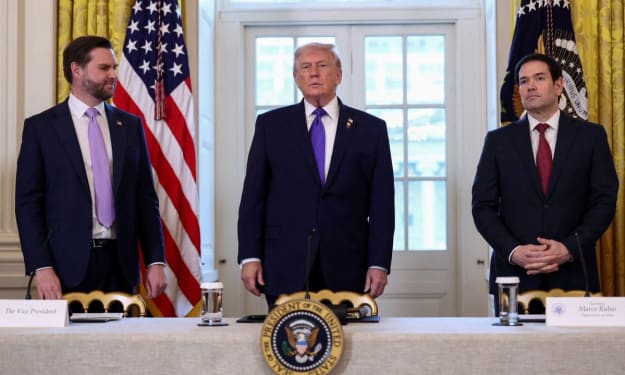
In a development that may reshape diplomatic calculations in a volatile region, a senior United States official recently informed reporters that Washington remains “open for business” should Iran decide to pursue negotiations with the Trump administration. The statement, while cautious, reflects a distinct shift in tone from confrontation to conditional engagement, underscoring a complex interplay of domestic politics, regional security dynamics, and long‑term strategic interests. For years, U.S.‑Iran relations have been marked by deep mistrust, competing geopolitical aims, and periodic escalations that have threatened broader instability. The 2015 Iran nuclear deal — formally known as the Joint Comprehensive Plan of Action (JCPOA) — represented a rare point of cooperation between Tehran and a group of world powers including the United States. Yet under former President Donald Trump, the United States withdrew from the agreement in 2018, reimposing sanctions and adopting an “maximum pressure” campaign intended to compel Iran to accept broader limitations on its nuclear and missile programs. That policy, while aimed at curtailing Iran’s strategic capabilities, also contributed to increased tensions, including proxy conflicts in Yemen and Iraq, attacks on commercial shipping in the Gulf, and the U.S. killing of Iranian General Qassem Soleimani in 2020. In this context, any signal of willingness to talk — even one carefully framed — is notable and merits careful analysis. A Calculated Offer, Not a Promise The U.S. official’s comment that Washington is “open for business” with Iran is deliberately nuanced. It stops short of announcing a formal offer of negotiations or outlining specific terms. The phrasing suggests that the United States is prepared to engage if Iran takes the initiative, but it leaves the responsibility for starting dialogue on Tehran. This approach provides Washington with strategic flexibility while signaling seriousness to both domestic and international audiences. Such diplomatic language serves multiple purposes. It reassures U.S. allies in the region — who are wary of sudden shifts in American Middle East policy — that engagement will not come at the expense of their security. It also conveys to Iran that opportunities for dialogue remain available, even amid ongoing disagreements over nuclear activities, ballistic missile development, and regional influence. Iran’s Response: Cautious but Interested? So far, Iranian officials have offered mixed reactions. Some hardliners in Tehran continue to reject engagement with the United States outright, insisting that Western powers cannot be trusted. Others, particularly voices within Iran’s diplomatic corps, have expressed pragmatic interest in negotiations that could ease economic sanctions and improve conditions for the Iranian public. Iran’s economy has struggled under heavy sanctions that limit oil exports, foreign investment, and access to global financial systems. For many Iranians, the economic impact of these policies has translated into unemployment, inflation, and constrained access to essential goods. Against this backdrop, the prospect of negotiations that could lead to sanctions relief holds significant appeal — provided such talks respect national sovereignty and core strategic interests. Strategic Patience and Global Perceptions The United States’ willingness to appear open to negotiation reflects a broader strategy of patient diplomacy. Rather than demanding immediate concessions or imposing unrealistic preconditions, Washington appears ready to create an environment where Iran can engage without fear of precipitous escalation. This stance aligns with broader American interests in managing regional conflicts, ensuring the free flow of commerce through key waterways like the Strait of Hormuz, and fostering stability that benefits global markets. From a global perspective, the United States’ statement may also be aimed at reassuring other actors — including the European Union, China, and Russia — that Washington is not abandoning diplomatic avenues in favor of perpetual confrontation. Following the U.S. withdrawal from the JCPOA, European signatories endeavored to preserve the agreement while maintaining channels of communication with Iran. The latest U.S. position may complement those efforts by demonstrating that engagement remains a viable option for all parties. Domestic Political Calculations Domestic U.S. politics play a significant role in shaping foreign policy. For the Trump administration, which is preparing for an election year, foreign policy achievements — or at least the avoidance of new conflicts — carry political weight. By signaling openness to negotiation without committing to specific terms, the administration may be attempting to appeal to a broad constituency that favors strength tempered with diplomacy. This approach also allows Washington to manage expectations at home. Hardline critics of engagement with Iran remain vocal in American political discourse, insisting that Tehran must first demonstrate substantive changes in behavior. By framing the offer as contingent on Iranian willingness to negotiate, the administration can address domestic concerns about appearing weak or overly conciliatory. Regional Implications and Security Considerations For Middle Eastern countries, particularly U.S. allies such as Saudi Arabia, the United Arab Emirates, and Israel, the notion of U.S.‑Iran negotiations prompts both hope and apprehension. On one hand, reduced tensions between Washington and Tehran could lessen the likelihood of wider conflict and create space for cooperative security arrangements. On the other, these countries fear that negotiations might sideline their own concerns or lead to compromises that do not adequately address Iran’s regional activities. In the security realm, issues such as Iran’s ballistic missile program and support for non‑state armed groups remain top concerns for the United States and its allies. Any future negotiations would likely need to address these issues alongside nuclear constraints, requiring careful balancing of priorities and pragmatic expectations on all sides. The Path Forward: Opportunities and Obstacles The path toward meaningful negotiations between the United States and Iran is strewn with challenges, but it is not impassable. Key factors that will influence the trajectory include: Political Will in Tehran: Iran’s leadership must decide whether engaging with Washington is more advantageous than continued resistance. Internal debates between pragmatists and hardliners will shape this decision. International Support and Mediation: Third‑party actors, particularly European countries, may facilitate dialogue by offering forums, confidence‑building measures, or incentives for both sides. Clear Objectives and Phased Engagement: Both parties will need to establish realistic goals. A phased approach that begins with limited, confidence‑building measures could pave the way for broader negotiations. Managing Regional Stakeholders: Ensuring that Middle Eastern allies feel included or at least heard in negotiations will be critical to maintaining regional stability. Conclusion: Diplomacy Remains on the Table The recent U.S. official’s comment that Washington is “open for business” if Iran wishes to negotiate is more than a simple soundbite. It reflects a deliberate diplomatic posture aimed at preserving options, reducing risk, and signaling to a wary world that engagement remains possible even amid complex disagreements. While the path to substantive negotiations will not be straightforward, this moment offers a reminder that diplomacy, even when cautious and conditional, remains a vital tool in addressing some of the most entrenched international conflicts of our time. Whether Iran chooses to take the first step toward dialogue will be a decision with far‑reaching implications — not just for Tehran and Washington, but for the broader Middle East and global security alike.writing...
By Saboor Brohi 2 months ago in Geeks
US aircraft carrier enters Middle East region, officials say. AI-Generated.
In a significant military movement that underscores the fragility of Middle East dynamics, a United States Navy aircraft carrier strike group has entered the Middle East region, according to senior U.S. officials. The deployment comes at a time of heightened political tensions between Washington and Tehran, following months of unrest inside Iran and contentious diplomatic rhetoric that has reverberated across the broader Middle East. The centerpiece of the deployment is the USS Abraham Lincoln (CVN‑72), a Nimitz‑class nuclear‑powered aircraft carrier, accompanied by a group of guided‑missile destroyers. The group has entered the area of responsibility overseen by the U.S. Central Command — a designation covering strategic maritime and land zones in the Gulf and surrounding waters. U.S. military officials describe the movement as a reinforcement of existing forces rather than the beginning of immediate combat operations. They say the presence of additional naval assets gives U.S. leaders increased capacity to defend American personnel and interests and offers a broader set of options should escalation occur. Context: Rising Tensions and Domestic Unrest in Iran The deployment follows a period of intense domestic unrest inside Iran, where widespread protests over economic conditions and government policies have repeatedly drawn international attention. Human rights groups and activists estimate thousands of civilian casualties over the past weeks, prompting global concern. The United States and other nations have publicly criticized Tehran’s response to these demonstrations. President Donald Trump has repeatedly suggested that forceful repression of protesters could warrant a range of responses, including military options, although U.S. officials stress the current posture is defensive. Trump told reporters recently that a “massive fleet” was moving toward the region but emphasized the hope that it would not be used in combat. Iran’s leadership has responded with resolute language. A senior Iranian official warned that any attack on Iranian territory would be considered an “all‑out war.” Such rhetoric reflects long‑standing mistrust between Tehran and Washington, dating back decades and compounded by recent sanctions, nuclear tensions, and proxy conflicts in neighboring countries. Wider Regional Responses The carrier’s arrival has drawn responses from several key regional actors. The United Arab Emirates (UAE) — which hosts U.S. air bases — has publicly stated it will not allow its territory, airspace, or waters to be used for any actions hostile to Iran. This marks a clear diplomatic effort to maintain neutrality and avoid escalating conflict around its borders. Meanwhile, Iranian‑aligned militias in Yemen and Iraq, such as the Houthis and Kataib Hezbollah, have issued warnings of retaliation, including threats to target international shipping or American forces if hostilities break out. These groups have previously been involved in confrontations with U.S. interests and allied shipping lanes, adding another layer of complexity to an already tense situation. Military Capabilities and Strategic Posture Modern U.S. aircraft carriers like the Abraham Lincoln operate as mobile airbases at sea, capable of launching and recovering dozens of fighter jets, surveillance aircraft, and support planes. They also serve as platforms for Tomahawk cruise missiles and are protected by destroyers equipped with advanced radar, missile defenses, and anti‑submarine systems. The presence of such a complex strike group is intended to communicate strategic capability and resolve. In addition to the carrier group, U.S. military moves include the deployment of fighter jets and air defense systems to the region, aimed at enhancing readiness and deterrence. A planned multinational exercise within the U.S. Central Command area of responsibility is underway, designed to demonstrate the ability to deploy and sustain airpower across the region. Diplomacy and the Prospects for De‑escalation Despite the military buildup, there are ongoing discussions about diplomatic engagement. U.S. officials have stated they are prepared to engage with Iranian counterparts if conditions allow. President Trump has repeatedly stressed his preference for avoiding armed conflict, even as he maintains that pressure — including the naval deployment — is necessary to uphold regional security and deter further repression. Inside Iran, there are mixed signals. Some government representatives continue to reject foreign pressure and accuse the U.S. of psychological tactics, while other factions hint at willingness to return to dialogue under specific circumstances. However, talks remain strained, and mutual distrust is high. What This Means for the Region The carrier’s presence adds a visible and powerful element to an already complex geopolitical landscape. For allies like Israel and Jordan, broader U.S. military deployments offer assurances of continued strategic cooperation. For adversaries or skeptical neighbors, it may reinforce perceptions of external intervention. For ordinary citizens across the region, the deployment stokes concerns about possible escalation and the prospects of instability affecting everyday life.
By Saboor Brohi 2 months ago in Geeks
Bombardier Challenger 650 Crash. AI-Generated.
The Bombardier Challenger 650 is widely regarded as one of the most reliable large-cabin business jets in the world. Known for its long-range capability, advanced avionics, and strong safety record, the aircraft is used by corporations, charter operators, and government agencies alike. When news of a Challenger 650 crash surfaces, it naturally raises concerns across the aviation community and the general public. Understanding what such an incident means—and what it does not—requires careful examination rather than speculation. Understanding the Challenger 650 Platform The Challenger 650 is an evolution of the Challenger 600 series, a family of aircraft that has been flying for decades. Bombardier designed the 650 with a focus on performance consistency, pilot workload reduction, and passenger comfort. It features the Collins Aerospace Pro Line 21 avionics suite, advanced weather radar systems, and enhanced situational awareness tools that help crews manage complex flight environments. Because of these features, the aircraft has built a reputation for dependable operation in a wide range of weather conditions and airports. This makes any reported crash involving the Challenger 650 particularly noteworthy, not because the aircraft is considered unsafe, but because such incidents are relatively rare. What Typically Happens After a Business Jet Crash When a Bombardier Challenger 650 is involved in a crash or serious incident, aviation authorities immediately begin a structured investigation. Depending on the location, this may involve agencies such as the National Transportation Safety Board (NTSB), the Transportation Safety Board of Canada (TSB), or other international aviation regulators. Investigators focus on multiple factors, including flight data, cockpit voice recordings, weather conditions, air traffic communications, maintenance history, and crew training records. Importantly, these investigations avoid early conclusions. Aviation safety is built on evidence, not assumptions, and final reports can take months—or even years—to complete. Human Factors and Operational Complexity In many aviation incidents involving business jets, human factors play a significant role. This does not necessarily imply pilot error, but rather highlights the complexity of modern flight operations. Business jet crews often operate into smaller airports, deal with tight schedules, and fly long sectors that can contribute to fatigue. The Challenger 650 is designed to reduce these pressures through automation and advanced warning systems. However, no aircraft can fully eliminate risk. Decision-making under stress, rapidly changing weather, or unexpected mechanical alerts can challenge even experienced crews. Investigators typically analyze how these elements interacted during the moments leading up to a crash. Mechanical Issues and Maintenance Oversight Another area of focus in any Challenger 650 crash investigation is the aircraft’s mechanical condition. Business jets operate under strict maintenance programs governed by both manufacturers and aviation authorities. Components such as engines, flight controls, and avionics are inspected on defined schedules. If a mechanical failure is suspected, investigators work closely with Bombardier and component manufacturers to determine whether the issue was isolated or part of a broader pattern. In many cases, findings from a single incident lead to service bulletins or procedural updates that enhance safety across the entire fleet. The Role of Weather and Environment Weather remains one of aviation’s most unpredictable variables. Even with modern forecasting tools, conditions such as wind shear, icing, or sudden visibility changes can significantly affect flight operations. Business jets like the Challenger 650 are certified to handle challenging weather, but environmental factors are always examined closely following a crash. Terrain and airport layout are also critical considerations. Approaches into mountainous regions, short runways, or airports with limited navigation aids can increase operational demands. These environmental factors are evaluated alongside crew actions to form a complete picture of what occurred. Why One Crash Does Not Define an Aircraft It is important to place any Bombardier Challenger 650 crash into proper context. Aviation history shows that no aircraft type is immune to accidents, regardless of its safety record. What matters most is how the industry responds. Each investigation contributes valuable data that helps improve training, procedures, and technology. The Challenger 650 continues to be operated safely around the world, completing thousands of flights every year. Its overall reliability and performance history remain strong, and operators continue to choose it for missions that demand range, comfort, and operational flexibility. Lessons Learned and Ongoing Improvements If an investigation reveals contributing factors—whether technical, operational, or environmental—those findings often lead to meaningful change. These can include updated pilot training modules, revised approach procedures, software enhancements, or maintenance guidance. This continuous improvement cycle is a cornerstone of aviation safety. Crashes, while tragic, often lead to advancements that prevent similar events in the future. The Challenger series, like many long-standing aircraft families, has benefited from decades of incremental safety enhancements driven by real-world data. A Measured Approach to Aviation News Public interest in aircraft crashes is understandable, but responsible reporting and analysis are essential. Early reports may be incomplete or inaccurate, and speculation can overshadow verified facts. For readers and aviation enthusiasts alike, patience is key while investigators do their work. A Bombardier Challenger 650 crash should be viewed as an isolated event until evidence suggests otherwise. The broader picture of business aviation safety remains one of steady progress, rigorous oversight, and a strong commitment to learning from every incident. Final Thoughts The Bombardier Challenger 650 stands as a reminder that modern aviation is both highly advanced and deeply human. While crashes are rare, they serve as critical learning opportunities for the entire industry. Through thorough investigation and transparent reporting, each incident helps make future flights safer. As investigations continue and facts emerge, the focus should remain on understanding—not assigning blame—and on supporting the systems that keep business aviation among the safest forms of travel in the world.
By Saboor Brohi 2 months ago in Geeks