
Have You Seen Iran’s Cave Village?
Iran’s most fascinating living villages, where homes are carved into volcanic rock and history still breathes through every stone.

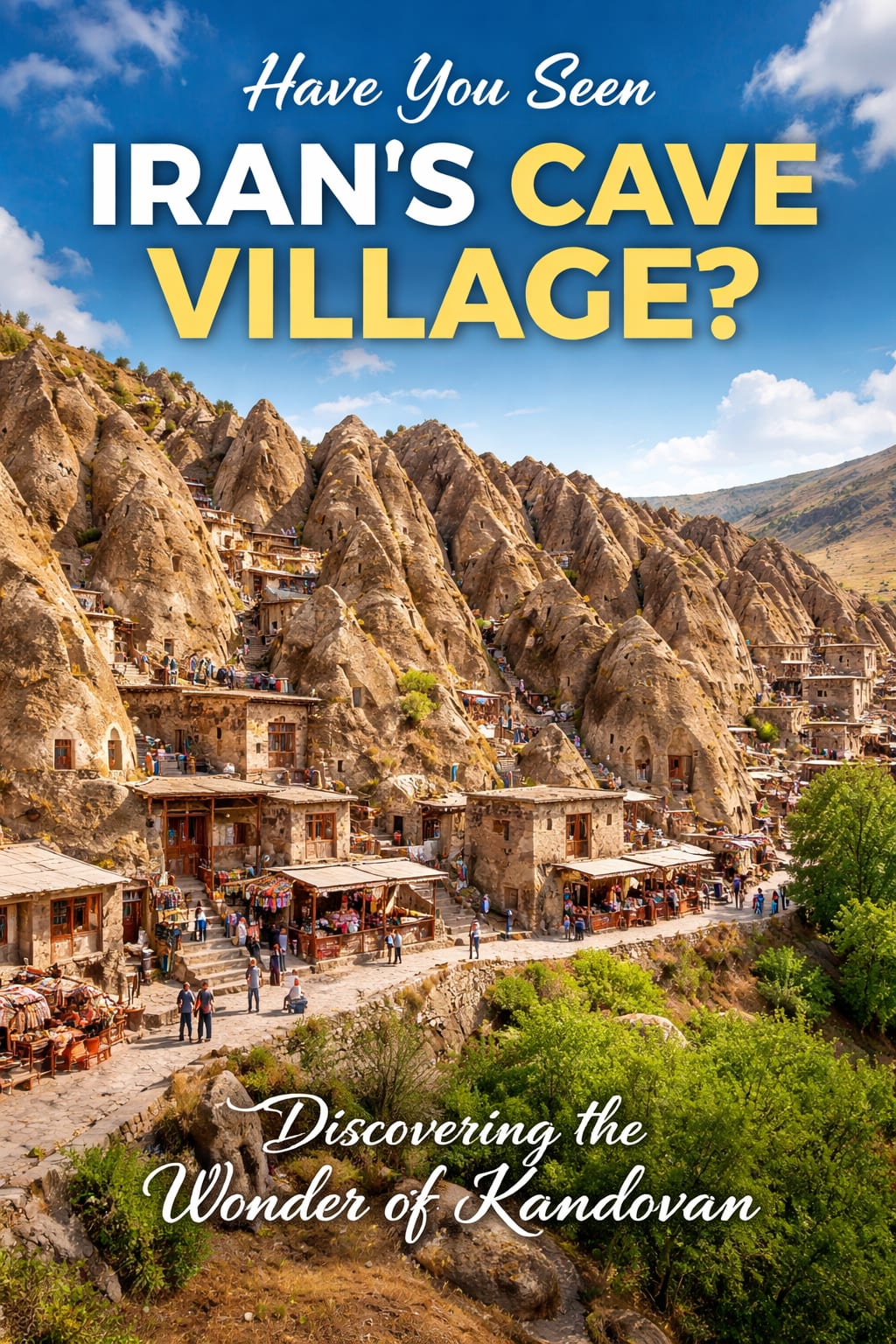
Have you ever seen a village where people still live inside caves? In Iran, there is such a place, and it feels almost like something from a fantasy story. The village is called Kandovan, and it is one of the most unique and beautiful places in the country. Located in the East Azerbaijan province, near the city of Tabriz, Kandovan is famous for its rocky homes that were carved into cone-shaped cliffs formed by volcanic activity thousands of years ago.
At first glance, Kandovan looks unreal. The houses appear to grow naturally from the mountains, like giant stone towers shaped by wind and time. But these are not abandoned ancient ruins. This is a living village where families still cook, sleep, work, and welcome visitors in homes carved directly into the rock. That is what makes Kandovan so special. It is not only a historic site, but also a place full of daily life, culture, and tradition.
The story of Kandovan goes back many centuries. According to local history, the village may have been used as a refuge by people escaping invading armies. Over time, the villagers expanded the cave dwellings and turned them into permanent homes. The soft volcanic stone made it easier to carve rooms, staircases, windows, and storage spaces. Generations of residents shaped the mountain into a real community.
One of the most interesting things about Kandovan is how practical these cave homes are. The thick rock walls help keep the interiors cool in summer and warm in winter. Long before modern air-conditioning or heating systems, the people of Kandovan were already living in homes designed perfectly by nature and human creativity together. This natural insulation is one reason the village has remained inhabited for so long.
Walking through Kandovan is like stepping into a different world. Narrow paths wind between stone homes, and small wooden doors open into surprisingly cozy interiors. Some houses have more than one floor, with separate rooms for living, sleeping, and storing food. Today, the village also has modern touches such as electricity and running water, showing how old traditions can continue alongside present-day life.
Kandovan is not only known for its unusual architecture but also for its peaceful atmosphere and natural beauty. Surrounded by green hills and fresh mountain air, the village offers a calm escape from busy city life. A stream runs through the area, and local markets sell handmade crafts, traditional clothing, herbs, honey, and dairy products. Visitors often enjoy talking with the villagers, who are known for their hospitality and simple way of life.
Another reason Kandovan attracts attention is because it is often compared to Cappadocia in Turkey, another famous region known for cave dwellings. However, Kandovan has something even rarer: people still actively live inside many of its rock homes. This makes it one of the few inhabited cave villages in the world. That living connection gives the village an authenticity that many historical tourist sites no longer have.
Tourism has brought more recognition to Kandovan in recent years. Travelers from Iran and abroad come to admire its unusual design and rich history. Some even stay overnight in a rocky hotel designed in the same traditional style, allowing them to experience cave life more closely. Yet despite growing interest, the village has managed to preserve much of its original character. This balance between tourism and tradition is important for protecting Kandovan’s identity.
Beyond its visual charm, Kandovan also teaches an important lesson about human adaptation. It shows how people can use the natural environment not only to survive but to build beauty, comfort, and community. In a world that often rushes toward modern development, Kandovan reminds us that old ways of living can still hold wisdom. Sustainability, creativity, and respect for nature are deeply present in its story.
So, have you seen Iran’s cave village? Even if you have not visited it in person, Kandovan deserves to be imagined, studied, and admired. It is more than just a tourist destination. It is a symbol of resilience, heritage, and the amazing ways human beings shape their homes from the world around them.
Kandovan stands as a quiet wonder in the heart of Iran, where stone walls hold centuries of memory and life continues inside caves touched by history. For anyone interested in travel, culture, or architecture, this remarkable village offers a glimpse into a world that feels ancient, yet still alive today.
اگر آپ چاہیں تو میں اسی موضوع پر more formal, magazine style, یا school essay style version بھی لکھ سکتا ہوں۔
About the Creator
Irshad Abbasi
Ali ibn Abi Talib (RA) said 📚
“Knowledge is better than wealth, because knowledge protects you, while you have to protect wealth.
Keep reading
More stories from Irshad Abbasi and writers in History and other communities.
Sisters of Legacy
One built a mosque that echoed devotion; the other founded one of the world’s oldest seats of learning. Throughout history, remarkable women have often been overlooked in the annals of monumental achievements. Yet, some sisters defied societal constraints and left legacies that continue to shape culture, education, and faith. One sister chose to immortalize her devotion through the construction of a mosque, a place of worship and spiritual gathering, while the other contributed to humanity’s intellectual heritage by establishing a university that has educated generations. Their stories reveal not only the power of vision and dedication but also the transformative impact women can have on society.
By Irshad Abbasi about 8 hours ago in History
The Year 1989 in Review: Fun Facts, Trivia, and Historic Highlights
This quick read is a collection of fun facts, trivia, and historic events from the year 1989. Discover the year’s top news stories, most influential people, sports facts, entertainment trivia, and much more.
By Gregory DeVictor6 days ago in History




Comments (1)
yes