World History
The Sacred Cave of Safrawadi: Indonesia’s Mysterious Tunnel to Mecca
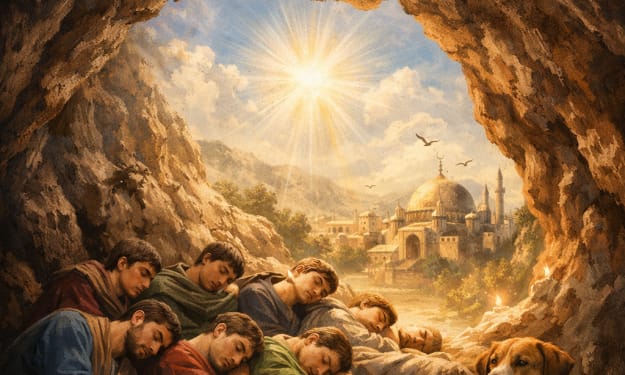
Hidden among the lush landscapes and volcanic highlands of Indonesia lies a cave shrouded in mystery, devotion, and folklore. Known locally as “Safrawadi,” this sacred site has become the center of a captivating legend: that deep within its shadowy chambers exists a hidden tunnel leading all the way to Mecca, the holiest city in Islam. While historians and geologists approach the claim with skepticism, for many believers the cave represents something far more profound than a physical passage — it symbolizes spiritual connection, faith, and longing.
By Irshad Abbasi about 2 hours ago in History
A Timeless Tale of Faith, Mystery, and Divine Protection
The story of the “Sleepers of the Cave,” known in Islamic tradition as Ashab al-Kahf, is one of the most fascinating and enduring narratives shared between Christianity and Islam. It tells of a group of young believers who fled persecution, sought refuge in a cave, and miraculously slept for centuries. Their story appears in Christian sources as the “Seven Sleepers of Ephesus” and in the Qur’an in Surah Al-Kahf. Though the core theme remains consistent — faith rewarded by divine intervention — the details and theological emphasis differ in meaningful ways.
By Irshad Abbasi about 2 hours ago in History
The Concept of the Antichrist Across Religions
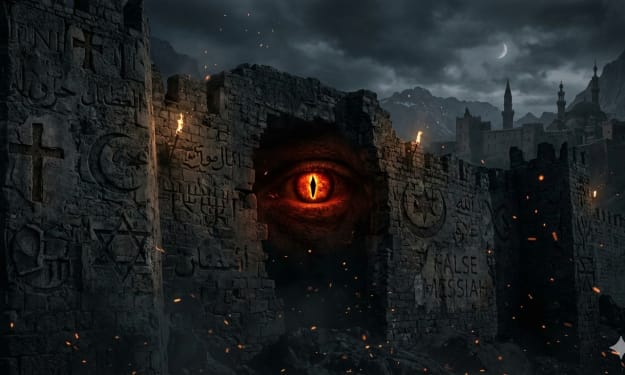
The idea of a deceptive, evil figure who appears near the end of times is a powerful and recurring theme in many religious traditions. In Islam, this figure is known as the Dajjal, while in Christianity and Judaism similar concepts exist under different names and interpretations. Although the details vary, these traditions share common themes of deception, moral testing, and the ultimate triumph of truth over falsehood.
By Irshad Abbasi about 10 hours ago in History
The Lion of Mysore and the Pioneer of Rocket Warfare
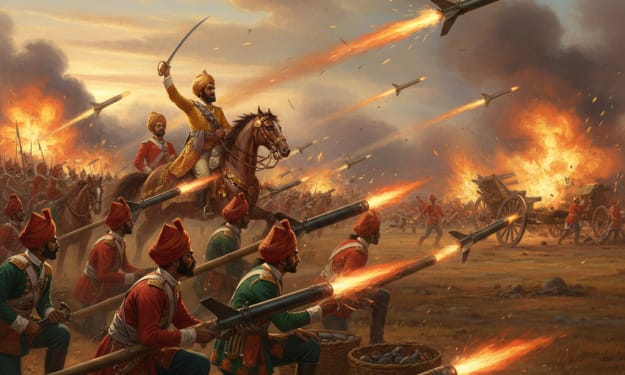
Hyder Ali was not just a king; he was a phenomenon. Rising from the humble ranks of an illiterate soldier to become the de facto ruler of the Kingdom of Mysore, he became one of the most formidable challenges the British East India Company ever faced on Indian soil. While history often remembers his son, Tipu Sultan, for his fierce resistance, it was Hyder Ali who laid the strategic, economic, and technological foundations that made Mysore a superpower of the 18th century.
By Irshad Abbasi about 13 hours ago in History
What Seven Soldier Skeletons Reveal About Their Lives.
History is often written by the victors, recorded in ink on parchment that celebrates grand strategies and royal decrees. However, the most honest account of war is frequently found beneath the earth, written in the very bones of those who fought it. When archaeologists uncover a mass grave—such as a recent discovery containing the remains of seven soldiers—they aren't just looking at the end of a life; they are opening a biological diary that spans decades.
By Irshad Abbasi about 17 hours ago in History
From Alexander to America: Afghanistan—Graveyard of Empires or Highway of Conquest?
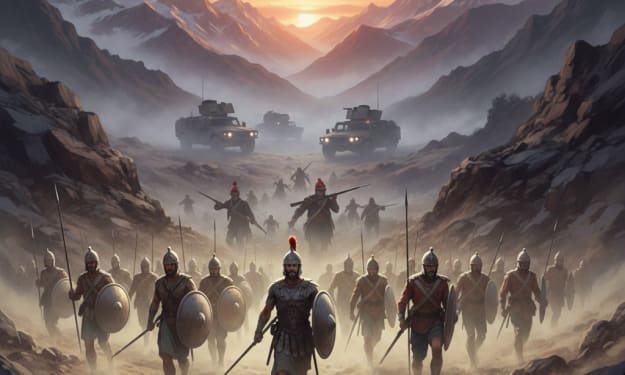
For centuries, the rugged peaks of the Hindu Kush have stood as silent witnesses to the greatest ambitions of mankind. From the bronze shields of Alexander the Great’s phalanxes to the high-tech drones of the United States military, Afghanistan has been the stage for a recurring historical drama. It is often labeled the "Graveyard of Empires," a place where superpowers go to bleed. Yet, a deeper look at history suggests a more complex reality: for many, it was also a "Highway of Conquest," a vital corridor that linked the civilizations of the East and West.
By Irshad Abbasi about 17 hours ago in History
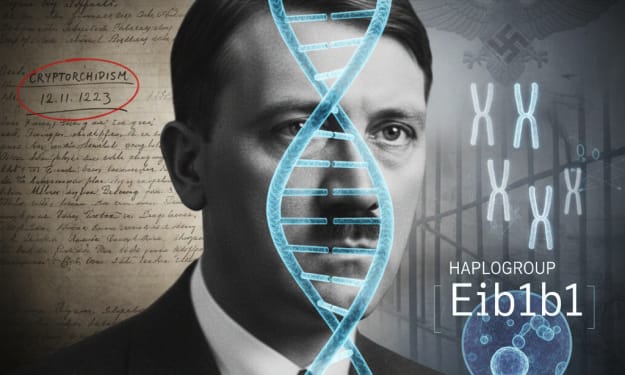
The Hitler Mystery: DNA Secrets and the Century-Old Rumor of the Dictator’s Anatomy
For over eighty years, one of the most persistent pieces of historical trivia has been a schoolyard rhyme and a medical mystery: the claim that Adolf Hitler suffered from a specific physical deformity. While once dismissed as mere British wartime propaganda, modern forensic science, rediscovered medical records, and DNA analysis have reignited the conversation. Was the "one testicle" myth a clever psychological warfare tactic, or was it a medical reality that shaped the psyche of the 20th century’s most notorious tyrant?
By Irshad Abbasi about 18 hours ago in History
The Night the Radio Terrified America
On the evening of October 30, 1938, the United States was a country on edge. The Great Depression was still casting a long shadow, and the drumbeats of war were growing louder in Europe. Families gathered around their wooden radio consoles, seeking a brief escape through music and drama. What they got instead was a chilling announcement that changed the history of mass media forever: The Martians had landed.
By Irshad Abbasi about 18 hours ago in History