
History of New York
“From a Small Dutch Settlement to a Global City of Dreams.”

1. Early Times
New York was originally inhabited by Native American tribes, mainly the Lenape people. They lived off rivers, lakes, and forests, relying on hunting, fishing, and farming for survival. Life was simple, connected closely with nature.
In 1624, the first European settlers, the Dutch, arrived and established a small settlement called New Amsterdam. Initially, it was just a small trading post, but its location was strategic, connecting both river and sea trade routes.
2. Dutch Era and British Takeover
The Dutch set up organized trading networks, and New Amsterdam quickly became an important North American trading port.
In 1664, the British took control of the city and renamed it New York, in honor of the Duke of York. This marked the beginning of British influence and political importance for the city.
3. 18th Century: Revolution and Growth
In 1776, during the American Revolution, New York became a crucial military site. Both British and American forces used the city strategically for troops, trade, and logistics.
After the revolution, New York played a significant role in the growth of the United States. In 1789, George Washington took the oath of office as the first U.S. president in the city. Population and economy steadily grew, and the city began its path toward becoming a major urban center.
4. 19th Century: Immigration Era
The 19th century saw a huge wave of immigrants from around the world. In 1892, Ellis Island was established, becoming the first stop for millions of European immigrants. These new arrivals shaped the city’s cultural diversity, giving New York its unique multicultural identity that lasts to this day.
As the population expanded, infrastructure development became necessary. The boroughs of Manhattan, Brooklyn, Queens, The Bronx, and Staten Island were connected to form one metropolitan city, creating a modern and functional urban space.
5. Industrial Revolution and Social Change
By the late 19th century, New York experienced the Industrial Revolution. Large factories, railways, and commercial hubs were built, bringing a boom to trade and commerce.
Alongside economic growth, social and cultural development flourished. Schools, libraries, and museums became accessible to the public, spreading knowledge, arts, and culture throughout the city.
6. 20th Century: Global Center and Cultural Revolution
In the 20th century, New York became a global financial and cultural hub. Wall Street emerged as the center of global finance, influencing world economies.
The city also revolutionized arts and culture. Broadway theaters, the film industry, and the Museum of Modern Art made New York an international center for creativity and expression.
This period also saw New York becoming the symbol of the American Dream, attracting people from every corner of the world hoping for better lives and opportunities.
7. Technology and Infrastructure
Infrastructure and technology helped modernize the city. In 1904, the subway system was launched, connecting millions of residents and making commuting easier than ever.
Iconic structures like the Brooklyn Bridge linked neighborhoods and boosted trade and social interaction. Skyscrapers and modern buildings gradually shaped New York’s famous skyline.
8. Modern Era and Global Fame
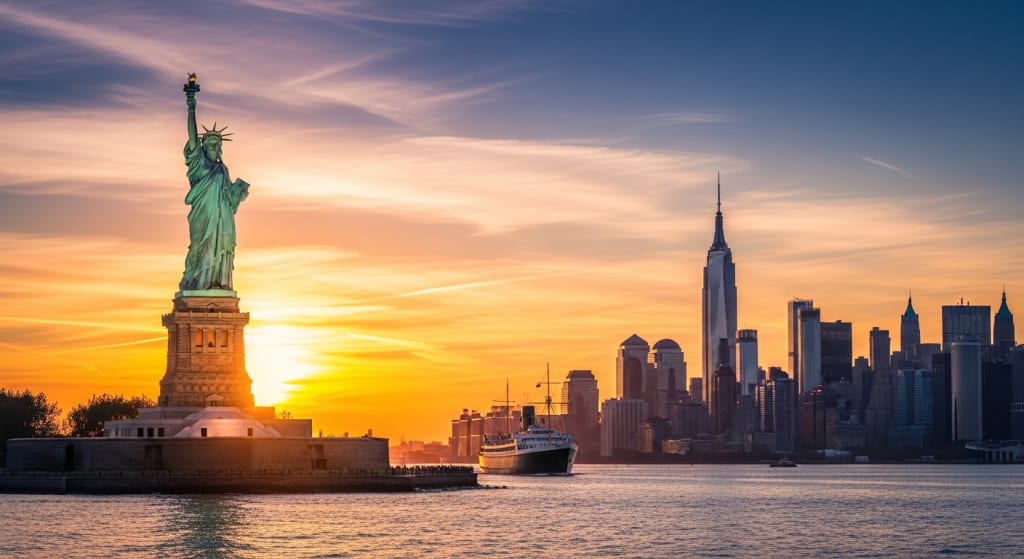
Today, New York is world-famous for its skyscrapers, commercial centers, and cultural diversity. The Statue of Liberty remains a symbol of freedom and hope, attracting millions of tourists each year.
Each borough has its own story:
Manhattan: skyscrapers, financial and business hub
Brooklyn: historic streets, artsy neighborhoods
The Bronx: vibrant communities and cultural hubs
Queens: multicultural and diverse neighborhoods
Staten Island: calm, residential areas
The city’s energy, diversity, and global significance make it iconic worldwide.
9. Conclusion
New York’s journey spans from a small Dutch settlement to a global metropolitan hub. The city has always symbolized change, progress, and hope.
Its history teaches that hard work, ambition, and dreams can transform even a small town into a world-famous city. Today, New York stands as a testament to cultural diversity, economic power, and innovation, inspiring generations around the globe.
About the Creator
Fawad Ahmad
Storyteller from the United States sharing tales that inspire, entertain, and make you think. Follow for weekly stories and creative adventures!" ✍️🌟
Keep reading
More stories from Fawad Ahmad and writers in History and other communities.
The Year 1905 in Review: Fun Facts, Trivia, and Historic Highlights
This quick read is a collection of fun facts, trivia, and historic events from the year 1905. Learn about the year’s top news stories and most influential people, notable inventions and sports facts, entertainment trivia and grocery prices, and much more.
By Gregory DeVictor3 days ago in History



Comments
There are no comments for this story
Be the first to respond and start the conversation.