
Investors Seek Harbour in Gold as U.S. and Israel Strike Iran
Surge in Safe-Haven Demand as Geopolitical Tensions Drive Investors Away from Risk Assets
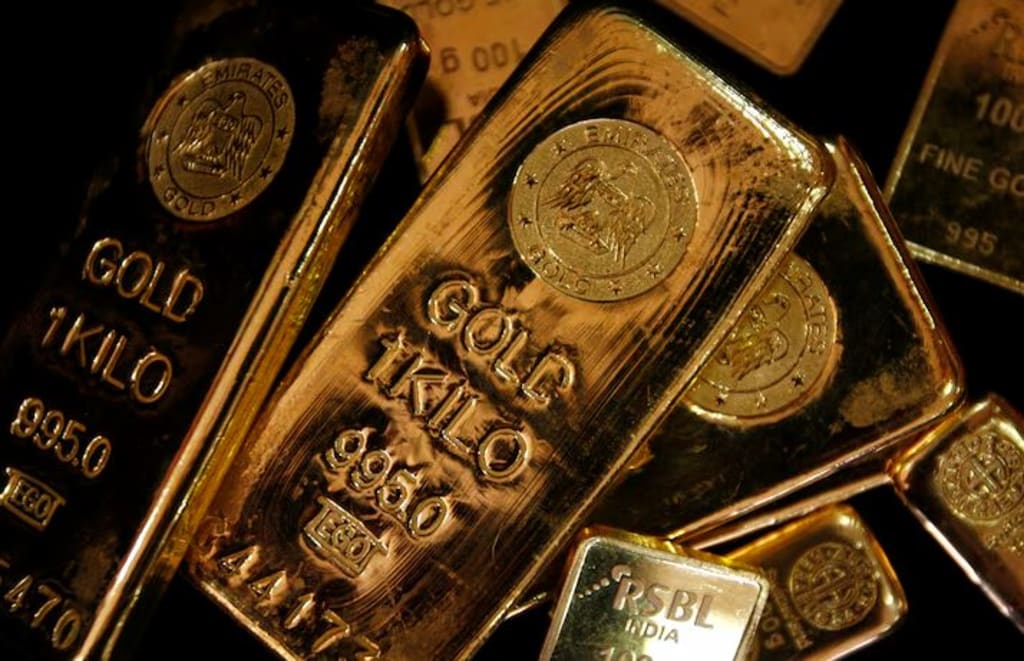
When missiles fly and diplomatic channels fall silent, financial markets respond almost instantly. The recent military strikes carried out by the United States and Israel against Iranian targets have triggered more than political shockwaves — they’ve ignited a powerful reaction across global markets. Investors, wary of uncertainty and potential escalation, are doing what they have done for centuries in times of turmoil: turning to gold.
The surge in demand for the precious metal highlights a familiar but powerful market truth — when fear rises, safe havens shine.
A Sudden Escalation, A Swift Market Reaction
The coordinated strikes marked a significant escalation in Middle Eastern tensions. Markets dislike unpredictability, and the possibility of retaliation, regional spillover, or prolonged instability immediately injected fresh uncertainty into global economic forecasts.
Within hours of the news breaking, equity futures wavered, oil prices jumped, and investors began repositioning their portfolios. Risk assets — including stocks, emerging market currencies, and cryptocurrencies — faced selling pressure. Meanwhile, gold prices climbed sharply as capital flowed into perceived safe zones.
The reaction wasn’t gradual. It was immediate and decisive.
Why Gold Becomes the Go-To Safe Haven
Gold’s appeal during geopolitical crises is rooted in history. Unlike stocks, which depend on corporate profits, or bonds, which rely on issuer stability, gold is not tied to any government or earnings report. It exists outside traditional financial systems, making it particularly attractive when those systems feel threatened.
There are several reasons investors consistently seek shelter in gold during times of conflict:
Preservation of value: Gold has maintained purchasing power across centuries of political and economic upheaval.
Inflation hedge: If geopolitical tensions disrupt oil supplies and push energy prices higher, inflation fears grow — often boosting gold demand.
Currency uncertainty: In periods of stress, currency volatility increases. Gold provides an alternative store of wealth independent of any single nation’s monetary policy.
Liquidity: Gold markets are deep and active, allowing investors to enter and exit positions relatively easily.
In moments of uncertainty, gold becomes less about speculation and more about protection.
Oil, Inflation, and the Broader Economic Ripple Effect
A key concern tied to the strikes is the potential impact on energy markets. Iran plays a significant role in regional geopolitics and global oil dynamics. Any threat to supply routes or production facilities — especially near strategic chokepoints — can push crude prices higher.
Higher oil prices ripple through the global economy. Transportation, manufacturing, and consumer goods costs rise. Inflation pressures intensify. Central banks, which may have been preparing to ease monetary policy, suddenly face renewed caution.
Gold tends to benefit in this environment for two primary reasons:
Investors anticipate higher inflation.
Real interest rates may fall if central banks hesitate to tighten policy further.
The interplay between energy markets and monetary policy could determine whether gold’s rally remains temporary or extends further.
The Broader “Risk-Off” Shift
While gold has captured the spotlight, it’s part of a broader defensive rotation happening across financial markets.
During risk-off phases, investors typically:
Increase exposure to government bonds.
Shift toward defensive equity sectors like utilities and energy.
Reduce holdings in high-growth and speculative stocks.
Exit emerging market positions.
Pull back from volatile digital assets.
This rotation reflects psychology as much as strategy. In times of elevated geopolitical tension, protecting capital becomes more important than maximizing returns.
The Psychology Behind the Move
Financial markets are driven not only by data but by emotion. Behavioral finance research shows that uncertainty amplifies risk perception. Even if the probability of worst-case scenarios remains relatively low, the fear of extreme outcomes can drive large market moves.
Investors don’t wait for clarity — they hedge against ambiguity.
The phrase often heard on trading desks during moments like these is simple: “Safety first.” That mindset explains the swift shift into gold following the strikes.
When geopolitical risk feels open-ended, investors assume the possibility of further escalation, even if diplomacy could eventually restore calm.
Is Gold’s Rally Sustainable?
The key question now is whether this movement into gold represents a short-term spike or the beginning of a longer trend.
Historically, gold often surges immediately after geopolitical shocks, only to retrace once tensions cool. If diplomatic channels reopen quickly and conflict remains contained, investors may gradually return to risk assets.
However, several factors could extend gold’s strength:
Prolonged military engagement.
Disruptions to oil supply.
Rising global inflation expectations.
Central banks delaying rate cuts.
Heightened volatility in global equity markets.
If uncertainty lingers, gold could remain well supported.
What This Means for Individual Investors
For everyday investors, moments like these can feel unsettling. Headlines dominate social feeds, market swings intensify, and portfolio balances fluctuate.
But history offers perspective.
Geopolitical events have repeatedly caused short-term volatility without permanently derailing long-term market growth. While gold can play a valuable role in diversification, it typically works best as part of a balanced portfolio rather than as a singular focus.
Investors should consider:
Maintaining diversified asset allocation.
Avoiding panic-driven decisions.
Assessing long-term goals rather than reacting solely to headlines.
Evaluating gold exposure as a hedge, not a replacement for growth investments.
In turbulent times, discipline often outperforms emotion.
The Bigger Picture
The renewed rush into gold following U.S. and Israeli strikes on Iran reflects more than a commodity rally — it represents a broader shift in global risk appetite.
Markets are signaling caution. Investors are prioritizing stability over speculation. And gold, once again, is fulfilling its centuries-old role as a financial harbor in stormy seas.
Whether this crisis escalates or stabilizes in the coming weeks remains uncertain. But for now, one thing is clear: when geopolitical tensions rise and the future feels unpredictable, investors turn toward assets they believe will endure.
And few assets carry that reputation more strongly than gold.
In times of conflict, its value is not just measured in price — but in peace of mind.
About the Creator
SpongeBob Review
“The Chaperone,” a gem tucked within the first season of SpongeBob SquarePants, unfurls like a bright‑hued sea‑foam tapestry, each frame drenched in the buoyant optimism that defines the series while simultaneously slipping a sly, almost parental, commentary into the mix. The episode opens with Mr. Krabs anxiously appoints SpongeBob as the designated chaperone for his wide‑eyed school‑aged daughter Pearl for the prom after her date had stood her up. Also this is after everyone in the Krusty Krab including employee Squidward had said no. This is a role that both honors and lampoons the classic “big brother” trope. As SpongeBob dutifully agrees to be a chaperone for Pearl’s prom for a wonderful night, the viewer is treated to a cascade of meticulously animated details: the iridescent shimmer of coral arches, the gentle sway of kelp that seems to echo the nervous tremor in each child’s spine, and the ever‑present, reassuring glow of the school's neon sign that feels like a lighthouse guiding lost souls. The writing skillfully balances slapstick chaos—students darting into a fish‑food line, the inevitable slime‑splatter misadventure—with tender moments of affection, such as SpongeBob’s earnest, wide‑grinned encouragement that feels as warm as a summer tide. The episode’s pacing is deliberate yet breezy, allowing each visual gag to settle before moving to the next, thereby amplifying the comedic impact while keeping the narrative buoyant and coherent.
By Forest Green5 days ago in Journal


Comments
There are no comments for this story
Be the first to respond and start the conversation.