
Iran Targets U.S. Sites in UAE Despite Vow to Halt Attacks on Neighbors
Missile strikes on American bases raise new fears of a wider Middle East conflict
Introduction
The escalating conflict between the United States and Iran has entered a new and dangerous phase after Iranian forces targeted American military facilities in the United Arab Emirates. The strikes came despite earlier assurances from Iran that it would stop attacking neighboring countries in an effort to reduce tensions in the region.
The contradiction between Iran’s diplomatic promises and its military actions has raised alarm across the Middle East. Gulf nations, many of which host U.S. forces, now fear they could be drawn deeper into the conflict even if they are not directly involved.
As tensions rise, the attacks highlight the fragile balance between diplomacy and warfare in one of the world’s most strategically important regions.
Iran’s Promise to Avoid Attacks on Neighbors
Earlier, Iran’s president Masoud Pezeshkian attempted to calm fears among Gulf states by announcing that Iran would stop attacking neighboring countries.
According to Iranian officials, the move was intended to reassure governments across the Persian Gulf that Tehran did not want to expand the war beyond its current targets.
However, Iran also made it clear that the promise came with conditions. If neighboring countries allowed their territory to be used for military operations against Iran, those locations could still become targets.
This caveat quickly became the focus of the latest escalation.
Strikes on U.S. Facilities in the UAE
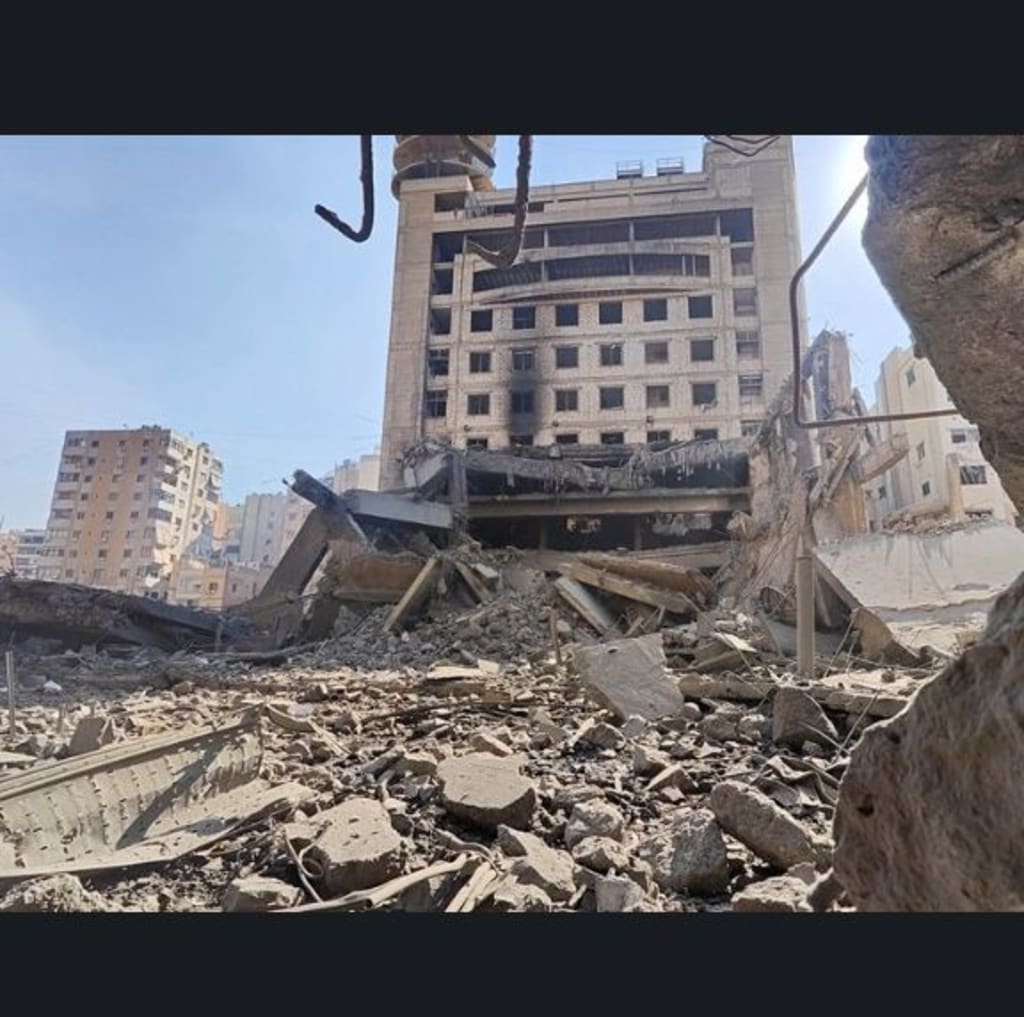
Soon after the announcement, Iranian forces launched missile and drone strikes against American military sites located in the United Arab Emirates.
One of the reported targets was the strategic Al Dhafra Air Base, a major facility that hosts U.S. aircraft and serves as a key hub for surveillance and air operations in the region.
Iranian officials claimed the attacks were aimed specifically at U.S. military assets rather than the UAE itself. From Tehran’s perspective, bases that support American military operations against Iran are legitimate targets during wartime.
Despite that justification, the strikes have heightened anxiety among Gulf governments that fear becoming collateral participants in the conflict.
Why Gulf Countries Are Vulnerable
Many Gulf nations maintain strong defense partnerships with the United States and host American military facilities. These installations are critical for regional security operations, including air defense, intelligence gathering, and naval patrols.
However, their presence also creates a strategic dilemma.
For Iran, these bases represent extensions of U.S. military power. Even if the host country is not directly involved in combat, the facilities themselves can be used to support operations against Iranian targets.
Because of this, Iranian leaders have warned that any territory used by American forces could face retaliation.
This situation leaves Gulf countries in a difficult position—balancing their alliances with the United States while trying to avoid becoming targets in the war.
Rising Tensions Between Washington and Tehran
The attack quickly drew a strong reaction from the administration of Donald Trump.
U.S. officials condemned the strikes and warned that Iran could face further military consequences if attacks on American forces continue. Washington has also moved to strengthen defenses around its bases across the region.
Additional missile defense systems and surveillance assets have reportedly been deployed to protect U.S. personnel and strategic installations.
The United States has emphasized that it remains fully capable of defending its forces and allies throughout the Middle East.
Internal Divisions Within Iran
The events have also revealed signs of disagreement within Iran’s leadership.
While President Pezeshkian attempted to send a diplomatic message by promising to halt attacks on neighboring countries, Iran’s powerful military organization—the Islamic Revolutionary Guard Corps—appears determined to continue striking U.S. assets wherever they are located.
This difference in messaging has created confusion about Iran’s long-term strategy in the conflict.
Some analysts believe the president’s statement was aimed at maintaining diplomatic relationships with Gulf countries that had recently improved ties with Iran.
Hardline factions, however, argue that any country hosting U.S. forces is effectively part of the conflict.
Fear of a Wider Regional War
The latest strikes have intensified concerns that the conflict could expand beyond its current scope.
Countries across the Persian Gulf are watching closely, worried that further attacks could trigger a broader regional confrontation.
If additional U.S. bases in the Gulf are targeted, the risk of direct involvement by multiple countries could increase dramatically.
Diplomatic efforts are underway to prevent further escalation, but the continuing exchange of missile and drone attacks makes the situation increasingly unpredictable.
Economic and Global Implications
Beyond the military and political tensions, the conflict also carries significant economic risks.
The Persian Gulf region sits at the center of global energy supply. A large portion of the world’s oil shipments pass through the nearby Strait of Hormuz, one of the most important maritime routes for international trade.
Any disruption to shipping lanes or energy infrastructure could send shockwaves through global markets.
Energy analysts warn that continued instability could drive oil prices higher and increase economic uncertainty worldwide.
Conclusion
The Iranian strikes on U.S. military facilities in the United Arab Emirates illustrate how fragile the current situation in the Middle East has become.
Despite promises to avoid targeting neighboring countries, Iran’s actions suggest that any territory hosting American forces may remain vulnerable during the conflict.
As tensions between Washington and Tehran continue to rise, Gulf nations now find themselves caught between two powerful adversaries.
Whether diplomacy can prevent further escalation remains uncertain. But one thing is clear: the conflict is no longer limited to a single battlefield—it is rapidly becoming a regional crisis with global consequences.
About the Creator
Writing To Succeed
If you want to find something that will help readers find your writing, possibly expand your audience, and maybe even get you noticed for other things, then you’re not alone. But how can you get it done in a world full of want-to-be writers? Look less at what you’re writing now, and more at what other writers have used to boost their views and reads.
By Jason Ray Morton a day ago in Writers


Comments
There are no comments for this story
Be the first to respond and start the conversation.